
Eating Mistakes That Secretly Prevent You From Getting Slim
Many of us embark on a journey to get slim, armed with good intentions and sometimes even strict diet plans. Yet, despite our best efforts, the scale often refuses to budge, or worse, creeps back up. It’s frustrating, disheartening, and can leave you feeling like you’re fighting a losing battle. What if the problem isn’t a lack of willpower, but rather a few subtle, everyday eating mistakes that are secretly sabotaging your progress?
You’re not alone. The truth is, many common habits and overlooked food choices can silently prevent you from reaching your slimming goals. This article will shine a light on these hidden culprits and provide you with practical, compassionate strategies to overcome them, paving the way for sustainable, real-world results.
The Sneaky Culprits- Unmasking Hidden Eating Habits

It’s easy to focus on obvious diet saboteurs like fast food or sugary treats. However, the real challenge often lies in the seemingly innocent habits and food choices that accumulate over time. Let’s unmask these secret roadblocks.
Mindless Munching and Portion Distortion
Eating while distracted—watching TV, scrolling on your phone, or working—often leads to consuming more than you realize. Your brain doesn’t register fullness as effectively, and before you know it, you’ve eaten an entire bag of chips. Similarly, our perception of a “normal” portion has grown over the years. What we think is a serving size might actually be two or three.
- Practical Solution Make eating an event. Sit down, put away distractions, and focus on your food’s taste and texture. Use smaller plates and bowls to visually trick your brain into feeling satisfied with less. Measure out snacks rather than eating from the bag.
Hidden Sugars and Processed Foods
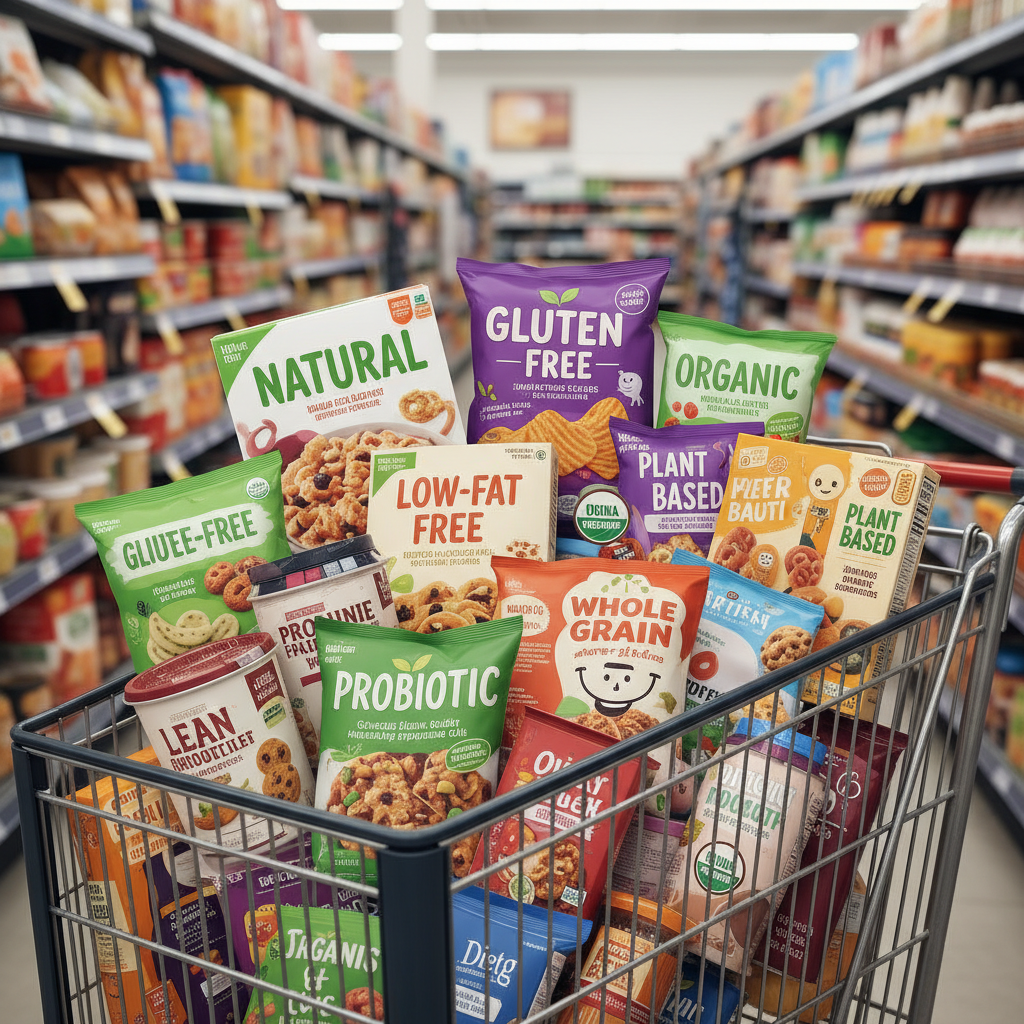
Sugar isn’t just in candy and soda. It’s lurking in seemingly healthy items like yogurt, granola bars, salad dressings, and even whole-wheat bread. Processed foods, even those marketed as “diet” or “low-fat,” often contain added sugars, unhealthy fats, and refined carbohydrates that spike blood sugar and leave you craving more, contributing to inflammation and fat storage.
- Practical Solution Become a label reader. Look for ingredients like high-fructose corn syrup, sucrose, dextrose, and anything ending in “-ose.” Prioritize whole, unprocessed foods like fresh fruits, vegetables, lean proteins, and whole grains.
Skipping Meals or Restrictive Eating
The idea that skipping meals saves calories is a common misconception. Often, it backfires. When you go too long without eating, your blood sugar drops, leading to intense hunger and cravings. This can result in overeating at your next meal or binging on unhealthy snacks, ultimately consuming more calories than if you had eaten regularly.
- Practical Solution Aim for balanced meals and snacks every 3-4 hours. This keeps your metabolism steady and hunger at bay. Focus on nutrient-dense foods that provide sustained energy.
Underestimating Liquid Calories
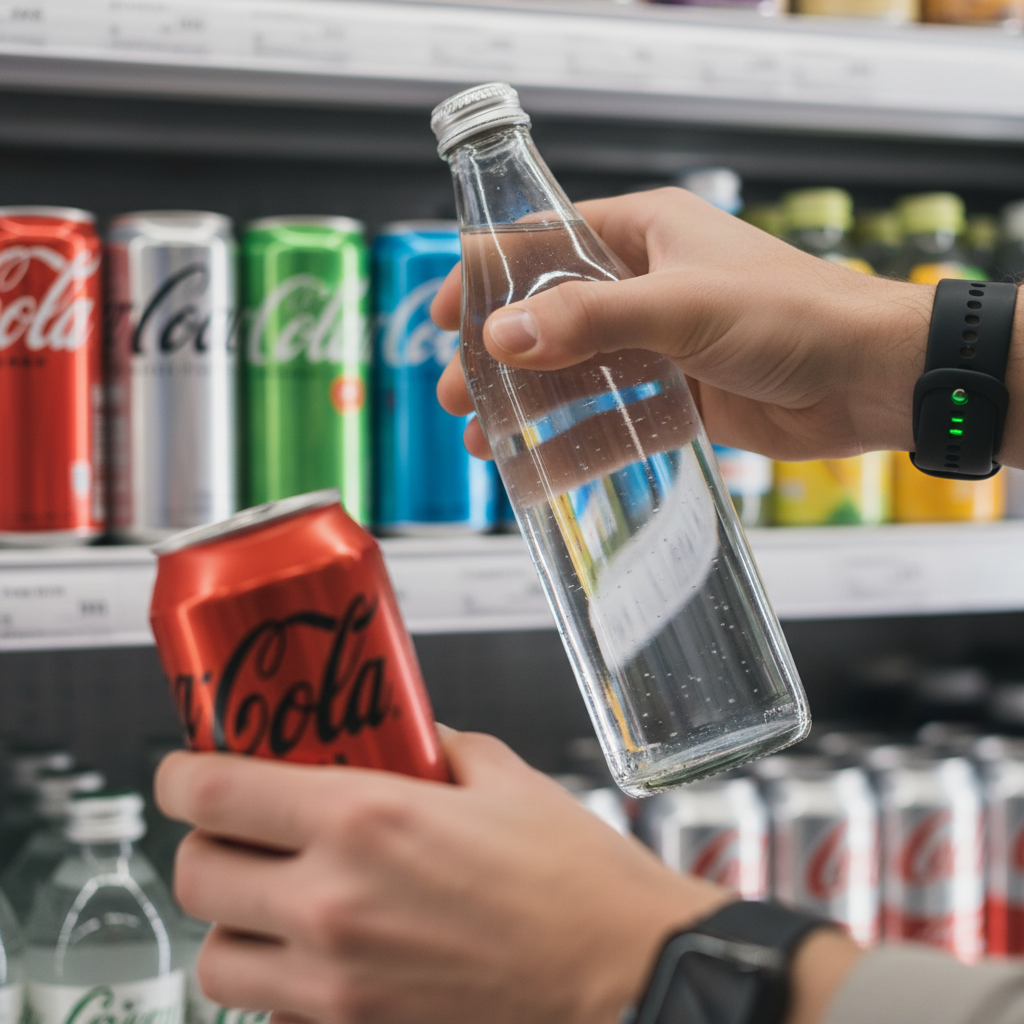
Those seemingly harmless drinks can be calorie bombs. Sodas, sweetened teas, fruit juices (even 100% juice can be high in sugar), lattes, and alcoholic beverages often contain significant calories and sugar without providing much satiety. Your body doesn’t register liquid calories the same way it does solid food, making it easy to overconsume.
- Practical Solution Make water your primary beverage. Opt for unsweetened tea or coffee. If you enjoy flavored drinks, choose sparkling water with a squeeze of lemon or lime. Be mindful of alcohol consumption, as it adds calories and can lower inhibitions, leading to less healthy food choices.
Emotional Eating and Stress Snacking
Food is often more than just fuel. We eat when we’re bored, stressed, sad, or even happy. Using food to cope with emotions can lead to consuming excess calories without true physical hunger. Stress, in particular, can trigger cravings for comfort foods high in sugar and fat, and elevate cortisol levels, which can promote belly fat storage.
- Practical Solution Identify your emotional triggers. When you feel the urge to eat emotionally, pause and ask yourself if you’re truly hungry. Explore alternative coping mechanisms like a short walk, meditation, talking to a friend, or engaging in a hobby.
Not Enough Protein or Fiber
Protein and fiber are two of the most crucial nutrients for weight management, yet many diets lack sufficient amounts. Protein helps you feel full, preserves muscle mass during weight loss, and has a higher thermic effect (meaning your body burns more calories digesting it). Fiber adds bulk to your meals, aids digestion, and stabilizes blood sugar, preventing cravings.
- Practical Solution Include a source of lean protein (chicken, fish, beans, lentils, tofu, eggs) at every meal. Load up on fiber-rich foods like fruits, vegetables, whole grains, and legumes.
Late Night Eating Habits
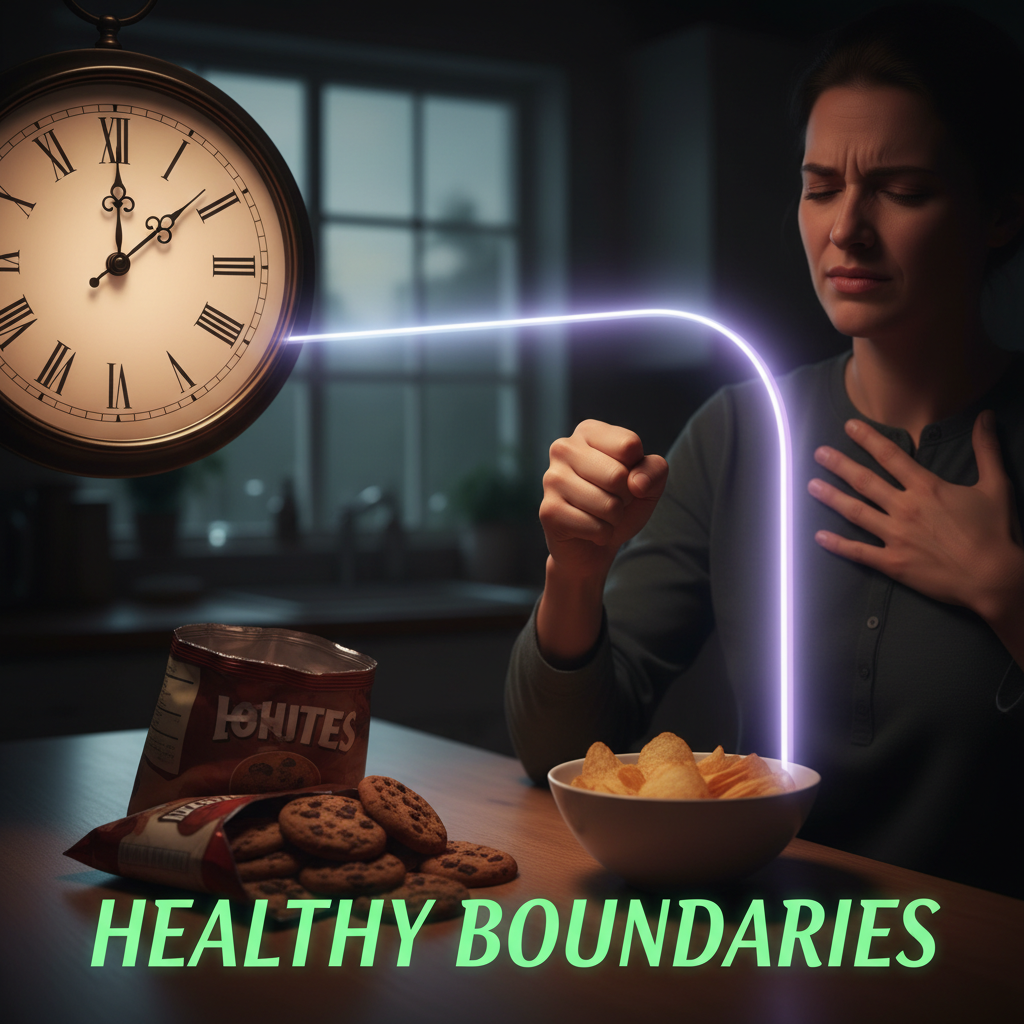
While the timing of calories isn’t as critical as the total amount, late-night eating can still be a secret saboteur. Often, evening snacks are driven by habit, boredom, or emotional needs rather than true hunger. Furthermore, a heavy meal close to bedtime can disrupt sleep, and poor sleep is strongly linked to weight gain and increased cravings.
- Practical Solution Establish an “eating window” and try to stop eating 2-3 hours before bed. If you are truly hungry, opt for a small, protein-rich snack like a handful of nuts or Greek yogurt.
Shifting Your Mindset for Sustainable Slimming
Identifying these mistakes is the first step. The next is cultivating a mindset that supports lasting change.
Building Awareness and Self-Compassion
Developing awareness around your eating habits is powerful. Keep a food journal for a few days, noting not just what you eat, but also when, why, and how you feel. Approach this with curiosity, not judgment. Recognize that everyone makes mistakes, and self-compassion is key to staying motivated.
The Power of Planning and Preparation
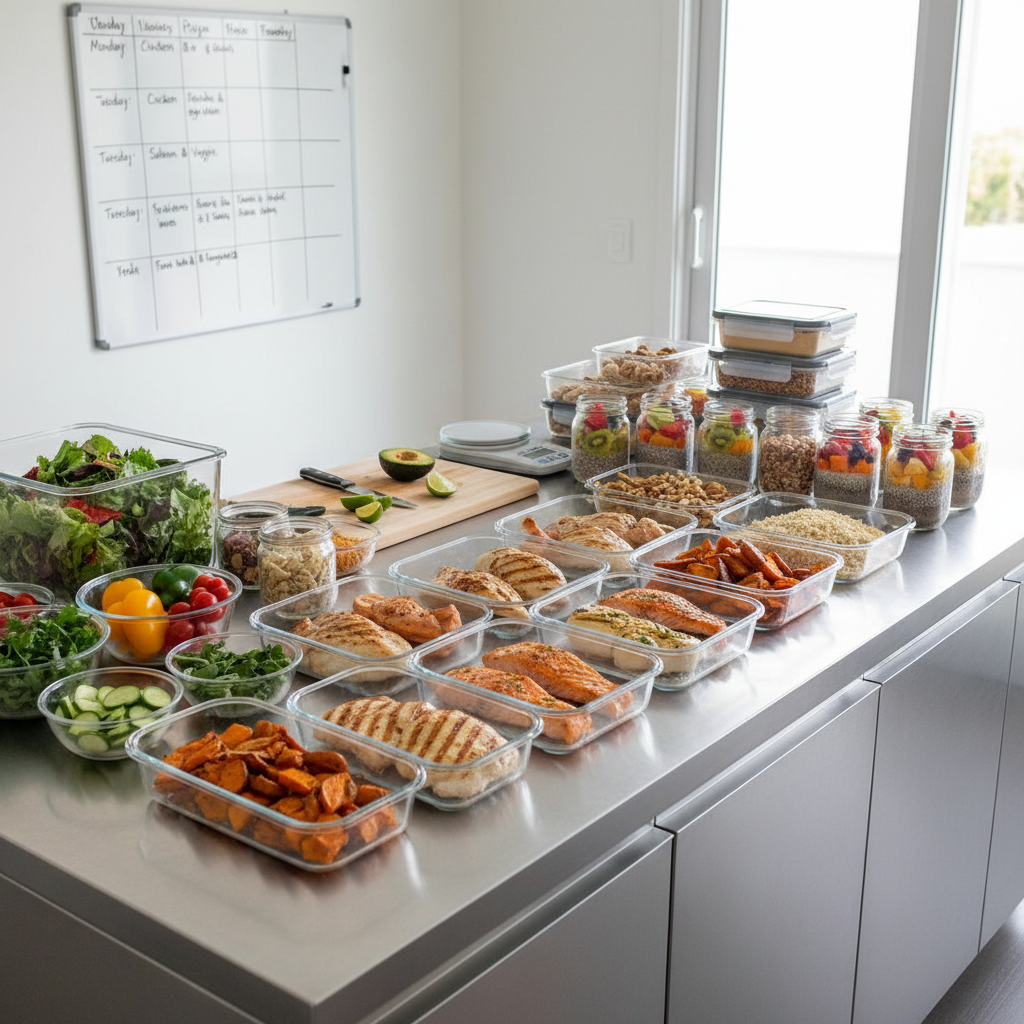
Failing to plan is planning to fail, especially when it comes to healthy eating. Spend a little time each week planning your meals and snacks. Prepare healthy options in advance, so when hunger strikes, you have nutritious choices readily available instead of resorting to convenience foods.
- Sample Weekly Plan Idea
- Sunday Evening Plan meals, grocery list, chop veggies.
- Monday-Friday Pack lunches, pre-portioned snacks.
- Weekend Allow for flexibility, but still make conscious choices.
Consistency Over Perfection
The pursuit of perfection often leads to burnout and giving up. Real life happens—there will be celebrations, stressful days, and times you veer off track. The goal isn’t to be perfect, but to be consistent most of the time. If you have an off day or meal, acknowledge it, learn from it, and get right back on track with your next meal. Small, consistent efforts compound into significant results over time.
Conclusion- Your Path to Lasting Change
Getting slim isn’t about deprivation; it’s about understanding your body and your habits. By uncovering and addressing these secret eating mistakes—from mindless munching to hidden sugars and emotional eating—you gain the power to take control of your health journey. Remember, every small, conscious choice builds momentum. Be patient with yourself, celebrate your progress, and trust that by making these informed adjustments, you are setting yourself up for sustainable slimming and a healthier, more vibrant life. Start today by choosing one small change, and watch how it transforms your path forward.