Best Core Exercises for Seniors to Improve Balance Safely
As we age, maintaining our balance becomes increasingly important for overall health, independence, and preventing falls. A strong core isn’t just about sculpted abs; it’s the powerhouse that supports your spine, stabilizes your body, and acts as the foundation for almost every movement you make. For seniors, improving core strength is a game-changer for balance, making everyday activities safer and more enjoyable. This guide will walk you through gentle yet effective core exercises, practical tips, and the mindset you need to safely enhance your balance and boost your confidence.
Why Core Strength Matters for Balance
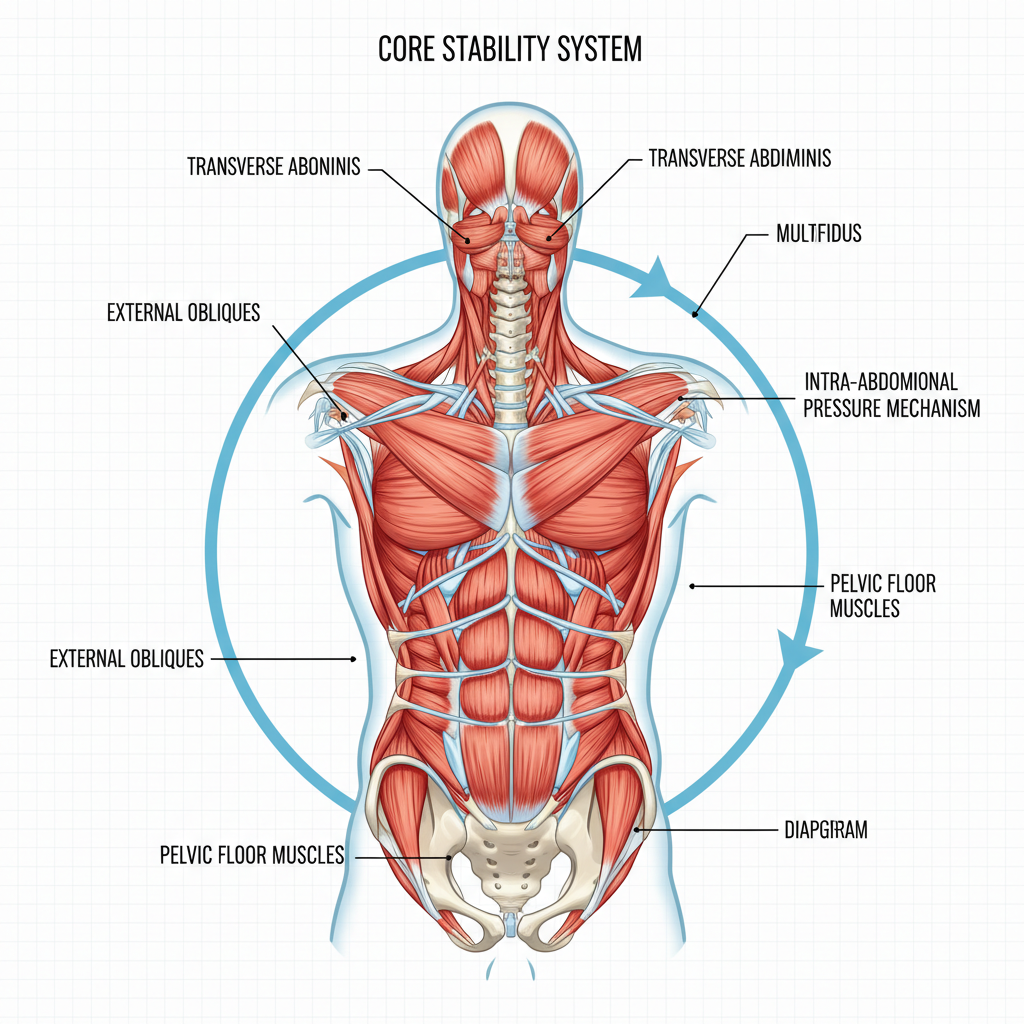
Think of your core as the central pillar of your body. It includes not just your abdominal muscles, but also your back muscles, pelvic floor, and diaphragm. These muscles work together to provide stability for your trunk, which is crucial for maintaining an upright posture and preventing swaying or tipping. When your core is strong, it creates a stable base from which your arms and legs can move efficiently. This stability translates directly to better balance, whether you’re walking, reaching for an item, or simply standing still.
A weak core can lead to poor posture, back pain, and an increased risk of falls because your body struggles to stabilize itself against everyday movements or unexpected shifts. By strengthening these essential muscles, you build a natural internal support system that helps you react faster, recover better from stumbles, and move with greater ease and confidence.
Safety First – Essential Tips Before You Start
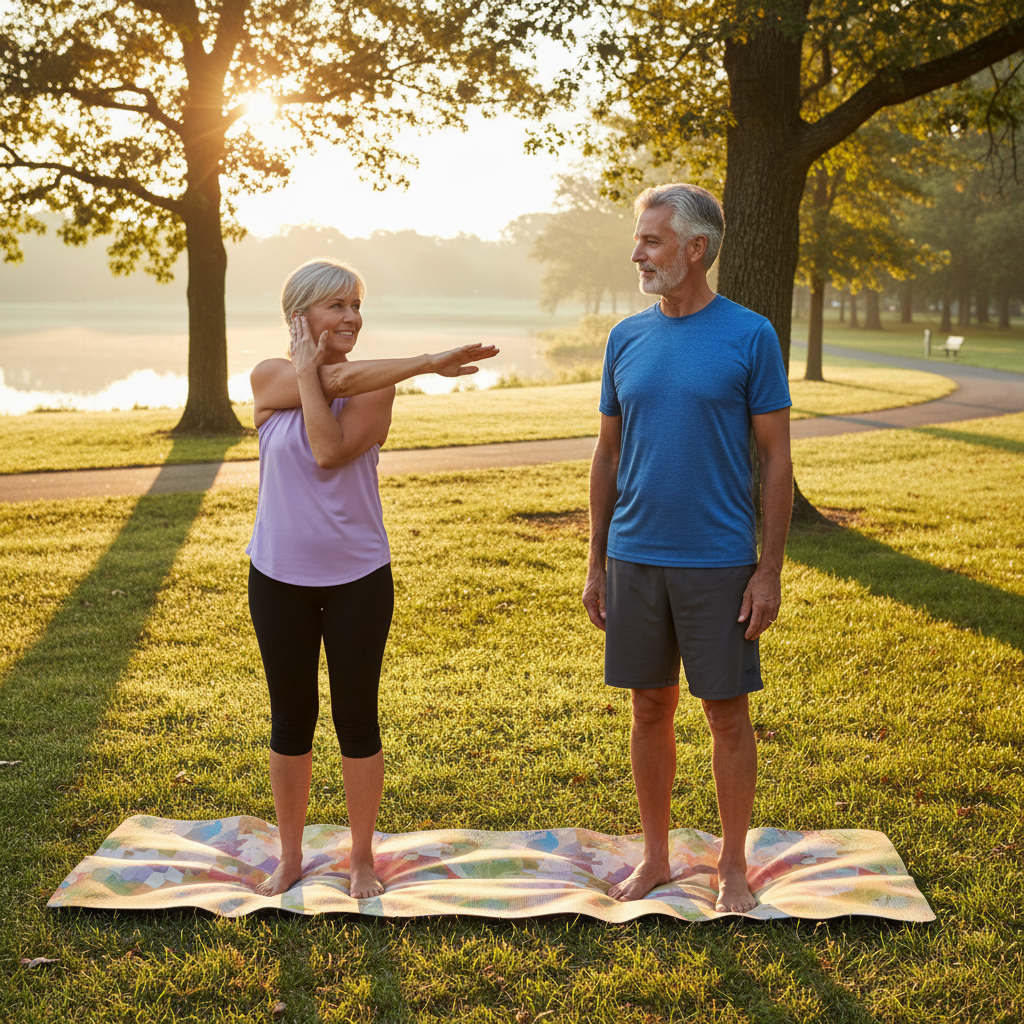
Before embarking on any new exercise program, especially as a senior, safety must be your top priority. Always listen to your body and consult with your doctor or a physical therapist to ensure these exercises are appropriate for your specific health condition.
- Consult Your Doctor Always get a medical clearance before starting new exercises.
- Start Slow and Steady Begin with fewer repetitions and gradually increase as you gain strength.
- Focus on Form, Not Speed Proper technique prevents injury and maximizes effectiveness.
- Breathe Deeply Don’t hold your breath. Exhale during exertion, inhale during release.
- Use Support When Needed Have a chair or wall nearby for balance during standing exercises.
- Wear Appropriate Footwear Choose supportive, non-slip shoes.
- Stay Hydrated Drink water before, during, and after your workout.
- Stop if You Feel Pain Discomfort is normal, but sharp pain is a warning sign.
Gentle Core Exercises for Improved Balance
Here are some of the best core exercises for seniors, designed to be gentle yet effective. Perform each exercise slowly and with control, focusing on engaging your core muscles.
Pelvic Tilts
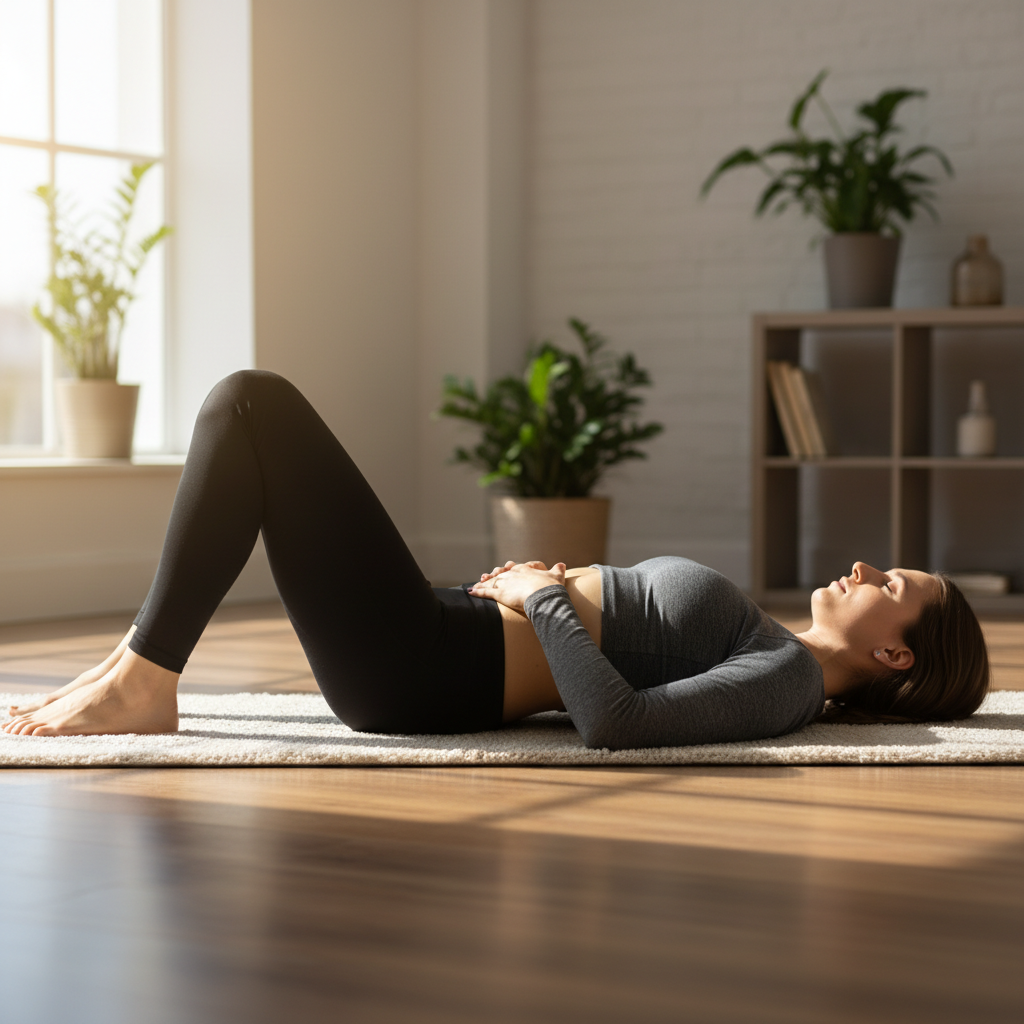
This gentle exercise helps you find and engage your deepest core muscles, which are vital for spinal stability. It’s a great starting point for beginners.
- Lie on your back with your knees bent and feet flat on the floor, hip-width apart.
- Relax your lower back, allowing a small natural curve.
- Gently flatten your lower back against the floor by tightening your abdominal muscles and tilting your pelvis upwards. Imagine pulling your belly button towards your spine.
- Hold for 3-5 seconds, then slowly release back to the starting position.
- Repeat 8-12 times.
Bridging
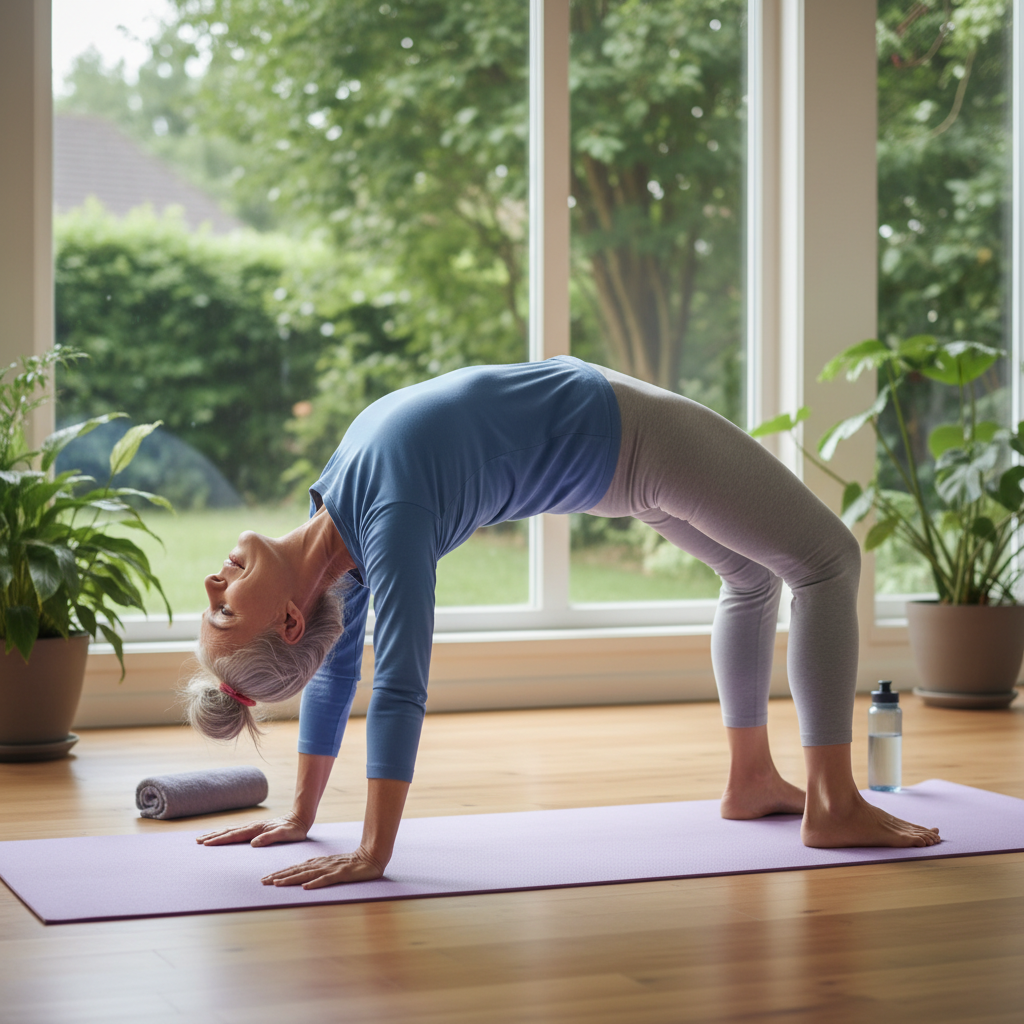
Bridging strengthens your glutes, hamstrings, and lower back, all of which contribute significantly to core stability and balance.
- Lie on your back with knees bent, feet flat on the floor, and arms by your sides.
- Engage your core and glutes, then slowly lift your hips off the floor until your body forms a straight line from your shoulders to your knees.
- Avoid arching your lower back too much.
- Hold for 5-10 seconds, then slowly lower your hips back down.
- Repeat 8-12 times.
Bird-Dog
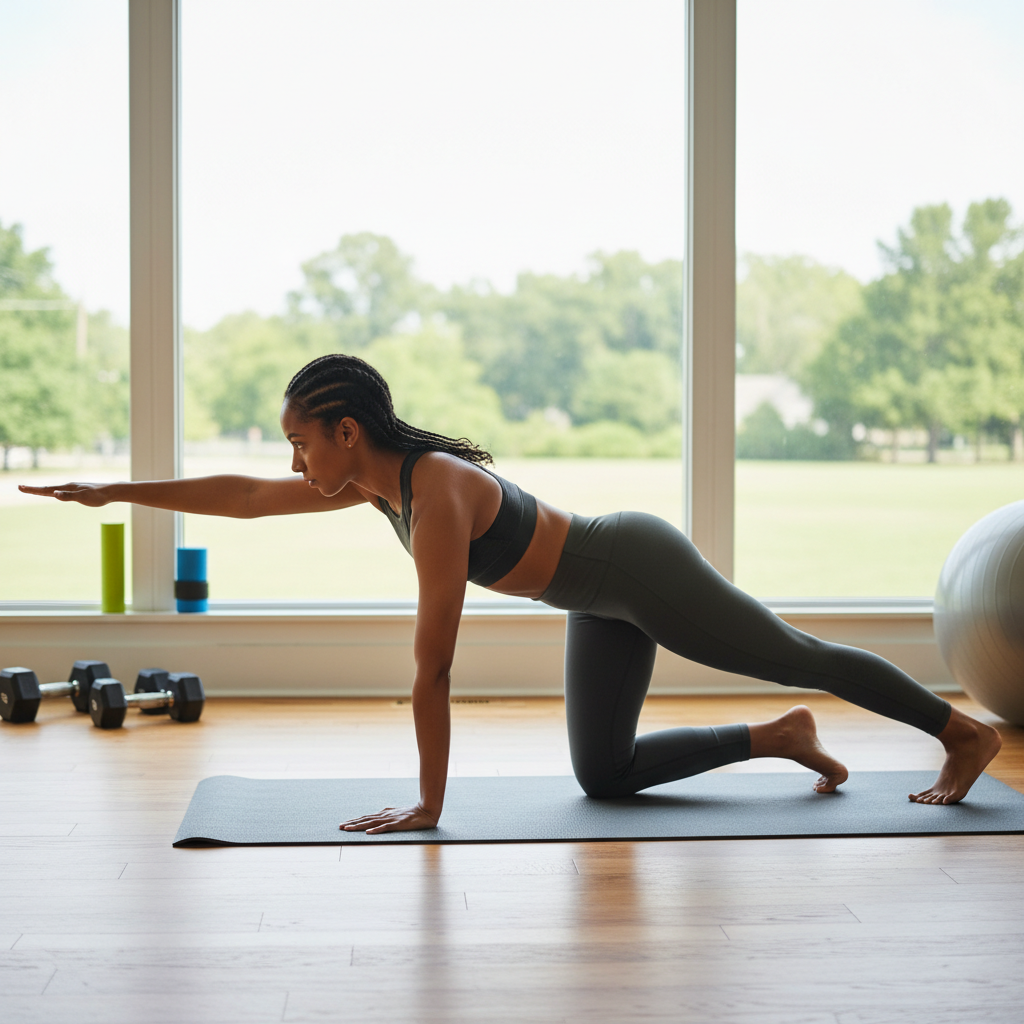
The Bird-Dog exercise is excellent for improving dynamic balance and coordination, strengthening your core and back muscles.
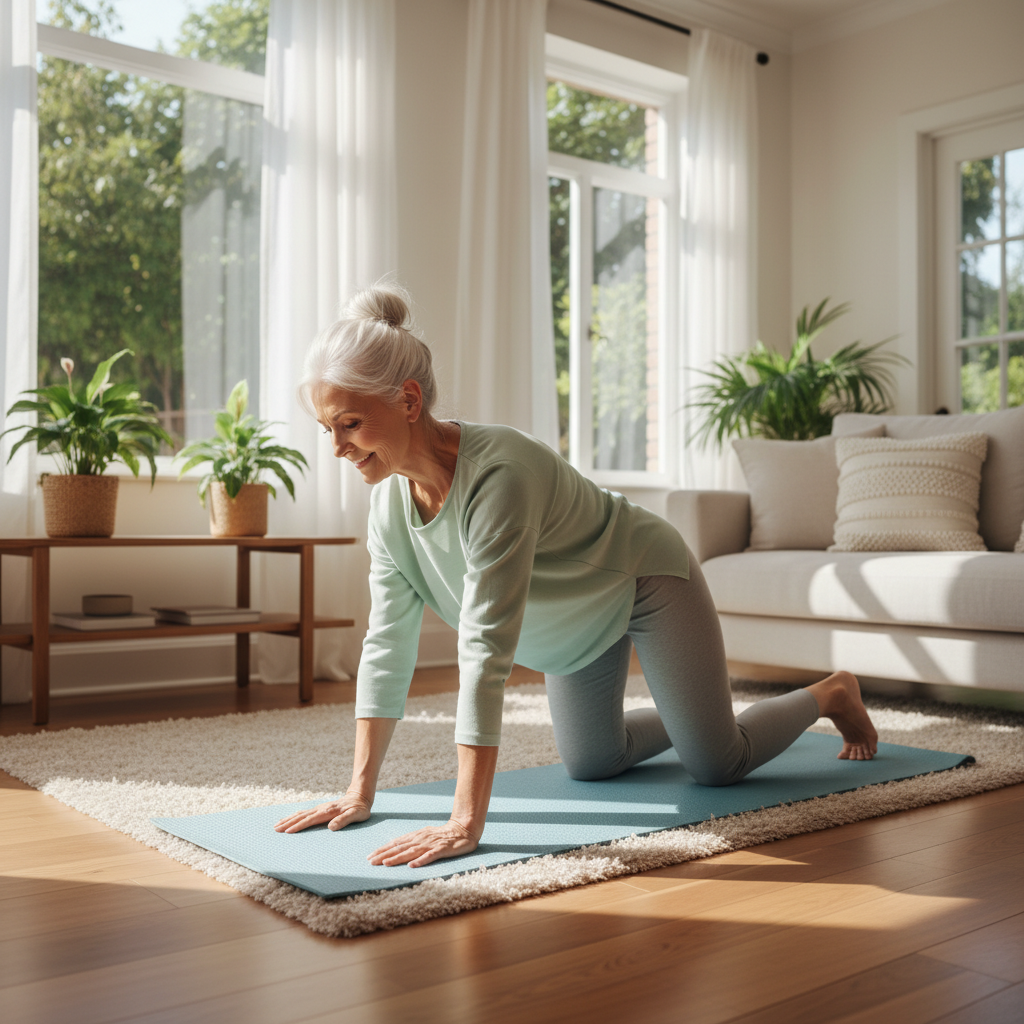
- Start on your hands and knees, with your hands directly under your shoulders and knees under your hips. Keep your back flat and core engaged.
- Slowly extend your right arm forward and your left leg straight back simultaneously, keeping your hips level and core tight.
- Avoid rotating your hips or arching your back.
- Hold for 3-5 seconds, then slowly return to the starting position.
- Switch sides, extending your left arm and right leg.
- Repeat 8-10 times on each side.
Standing Marches
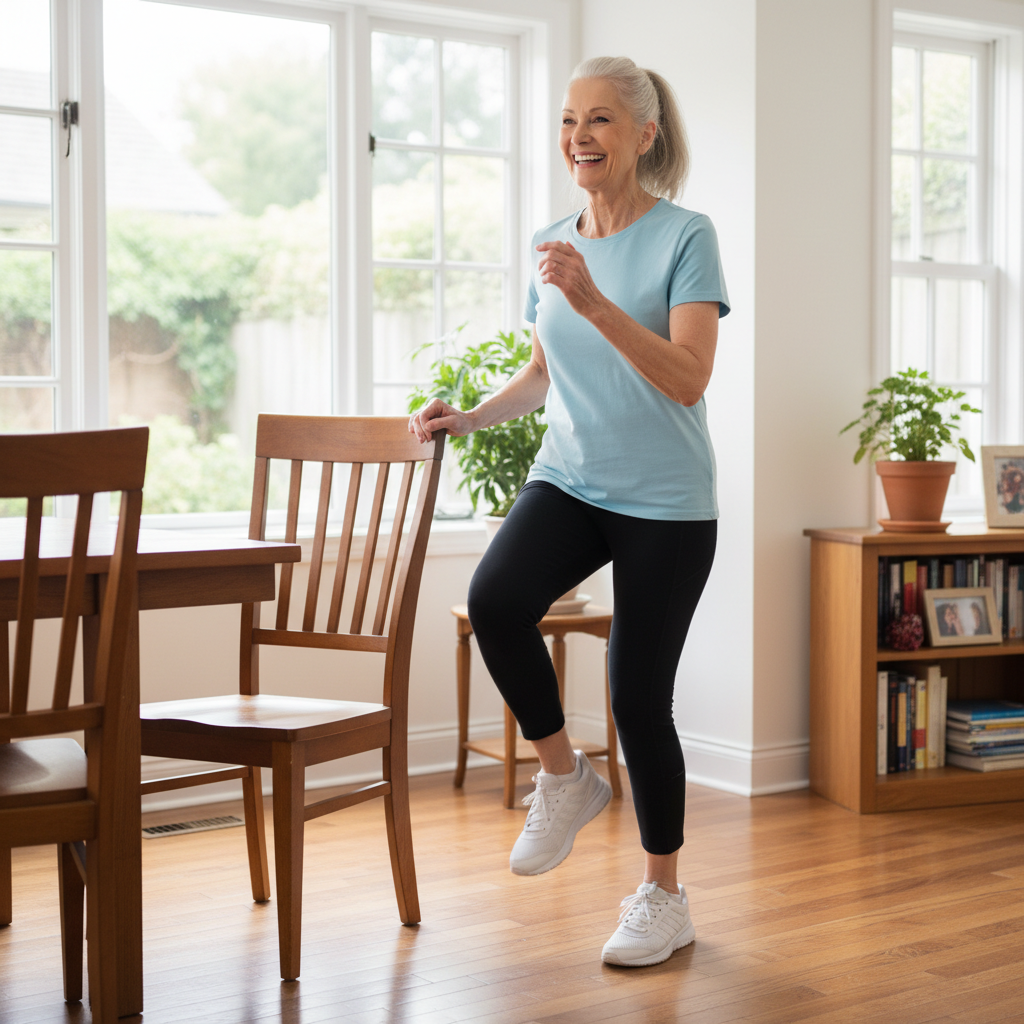
This exercise improves balance while standing and strengthens the core and hip flexors. Using a chair for support is highly recommended.
- Stand tall behind a sturdy chair, holding onto the back for support if needed. Keep your feet hip-width apart and your core engaged.
- Slowly lift one knee towards your chest, as if marching, keeping your standing leg slightly bent.
- Hold for 2-3 seconds at the top, focusing on your balance.
- Gently lower your foot back to the floor with control.
- Alternate legs, performing 10-15 marches on each side.
Heel-to-Toe Walk

This exercise directly challenges your balance and proprioception (your body’s sense of its position in space), simulating situations where balance is crucial.
- Find a clear, unobstructed space. You can imagine a straight line on the floor or use a floorboard.
- Place the heel of one foot directly in front of the toes of the other foot, so they are touching or nearly touching.
- Keep your gaze forward, not down at your feet, and engage your core.
- Slowly take 10-15 steps in this manner, focusing on maintaining your balance.
- If needed, have a wall or counter nearby for light support.
Integrating Core Work into Your Daily Routine
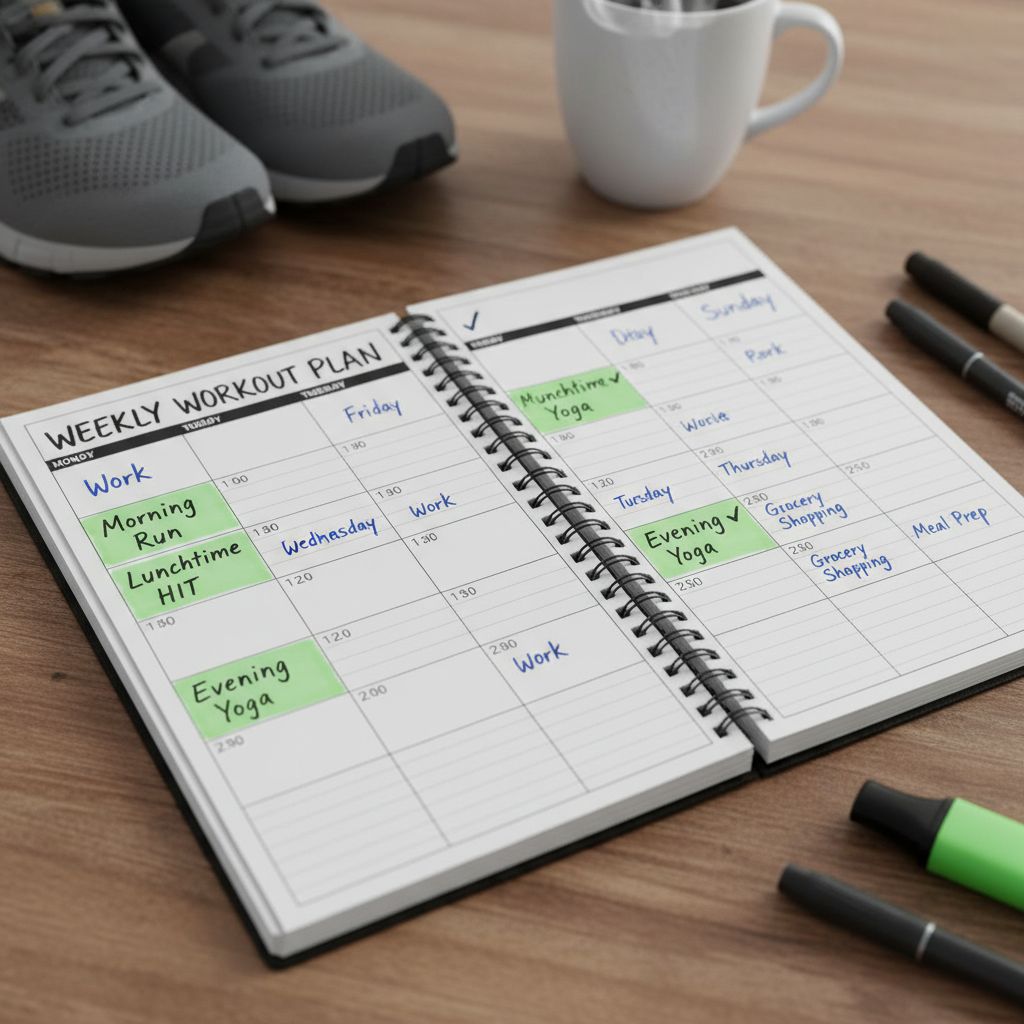
Consistency is key when it comes to seeing results and making lasting improvements to your balance. Aim to incorporate these core exercises into your routine 3-4 times a week, allowing for rest days in between. You don’t need long, strenuous workouts; even 10-15 minutes of focused core work can make a significant difference. Consider doing these exercises as part of your morning routine, before a walk, or during a TV break. Making it a habit will ensure you stick with it.
You can also integrate core engagement into daily activities. When sitting, try to sit tall with your core gently engaged. When standing, imagine a string pulling you up from the crown of your head, lengthening your spine and engaging your core. These small, conscious efforts add up over time.
Mindset and Consistency – Staying on Track

Improving balance and core strength is a journey, not a race. There will be days when you feel stronger and days when it feels more challenging. The most important thing is to be patient and compassionate with yourself. Celebrate small victories, like holding a pose for an extra second or completing an extra repetition. Don’t get discouraged by setbacks; simply get back on track the next day.
Find an accountability partner, whether it’s a friend, family member, or a fitness class, to help keep you motivated. Remember your ‘why’—why is improving your balance important to you? Is it to play with grandchildren more safely, enjoy your hobbies, or simply maintain your independence? Keep that motivation at the forefront of your mind. With dedication and a positive attitude, you can significantly improve your balance and quality of life.
Conclusion
A strong core is your secret weapon for maintaining excellent balance and confidence as you age. By consistently incorporating these gentle, effective exercises into your routine, you’re not just building muscle; you’re building a foundation for a more stable, active, and independent life. Remember to start safely, listen to your body, and celebrate every step of your progress. Take that first step today—your future self will thank you for the improved balance, reduced risk of falls, and the renewed sense of freedom that comes with it. You have the power to move forward with strength and stability!