

Intermittent Fasting: Easy Ways to Build a Daily Routine
Intermittent fasting (IF) is a simple eating pattern that focuses on when you eat rather than what you eat. Many people use it to improve energy, reduce cravings, support weight management, and create a healthy routine without strict dieting. The best part? You can start slowly, adjust the timing, and choose a schedule that fits your lifestyle.
Here’s a beginner-friendly guide to building an easy, flexible intermittent fasting routine.
Start Slow With a Gentle Fasting Window

Jumping into long fasts can feel overwhelming. Start small.
Simple beginner schedules:
- 12:12 — Fast 12 hours, eat within 12 hours
- 14:10 — Fast 14 hours, eat within 10 hours
- 16:8 — Fast 16 hours, eat within 8 hours (common and effective)
Give your body time to adjust before tightening the window.
Pick a Fasting Window That Fits Your Lifestyle

Choose times that make your routine simple, not stressful.
Examples:
- Skip late-night snacking
- Eat your first meal at 10–11 AM
- Finish dinner by 6–7 PM
A routine that matches your day is easier to maintain.
Stay Hydrated During Your Fasting Hours

Hydration keeps hunger low and energy steady.
You can have:
- Water
- Black coffee
- Black tea
- Herbal tea
- Lemon water (without sugar)
Avoid anything with calories during your fasting window.
Eat Balanced, Nutritious Meals During the Eating Window
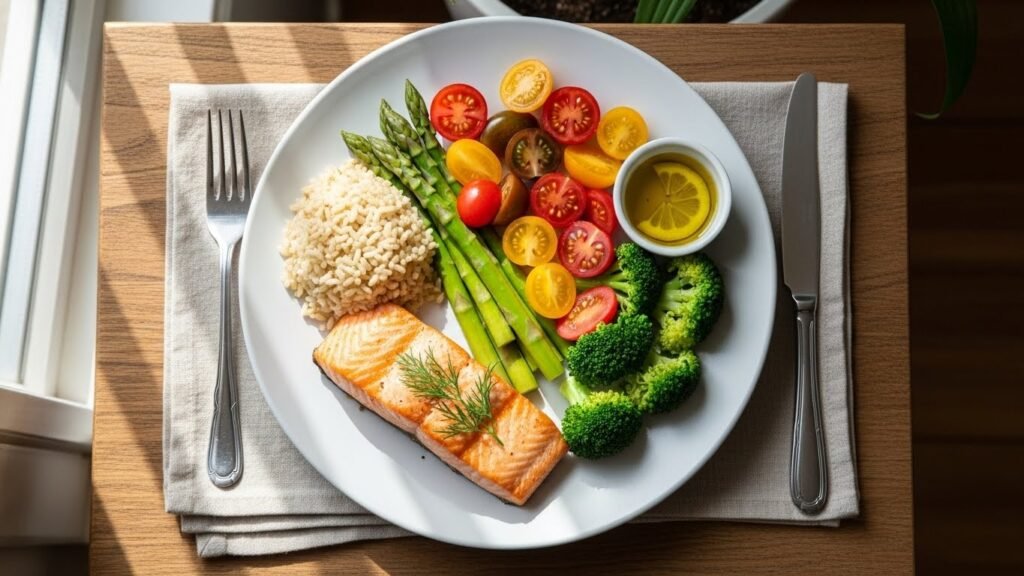
Fasting works best when you fuel your body well.
Include:
- Protein for fullness (chicken, eggs, beans)
- Healthy carbs (rice, oats, potatoes, fruit)
- Healthy fats (nuts, avocado, olive oil)
- High-fiber veggies
Balanced meals keep cravings away.
Avoid Overeating When Your Window Opens

It’s natural to feel hungry at first.
Try eating slowly to avoid:
- Energy crashes
- Stomach discomfort
- Blood sugar spikes
Start with a light meal or snack, then eat your main meal.
Keep Your First Meal Light and Nourishing

Good first-meal options:
- Smoothie with protein
- Oatmeal with fruit
- Eggs + veggies
- Yogurt with nuts
- Rice bowl with veggies and protein
Your first meal sets your energy for the rest of the day.
Create a Routine Around Your Eating Window

Having structure helps your body adapt.
Try:
- Eating at similar times daily
- Meal prepping snacks
- Planning 2 main meals + 1 snack
- Avoiding late-night eating
Consistency = better results.
Move Your Body Gently During Fasting

Light movement helps burn fat and stabilizes energy.
Try:
- Walking
- Stretching
- Yoga
- Light home workouts
High-intensity workouts should be done during your eating window.
Reduce Processed Foods for Better Results
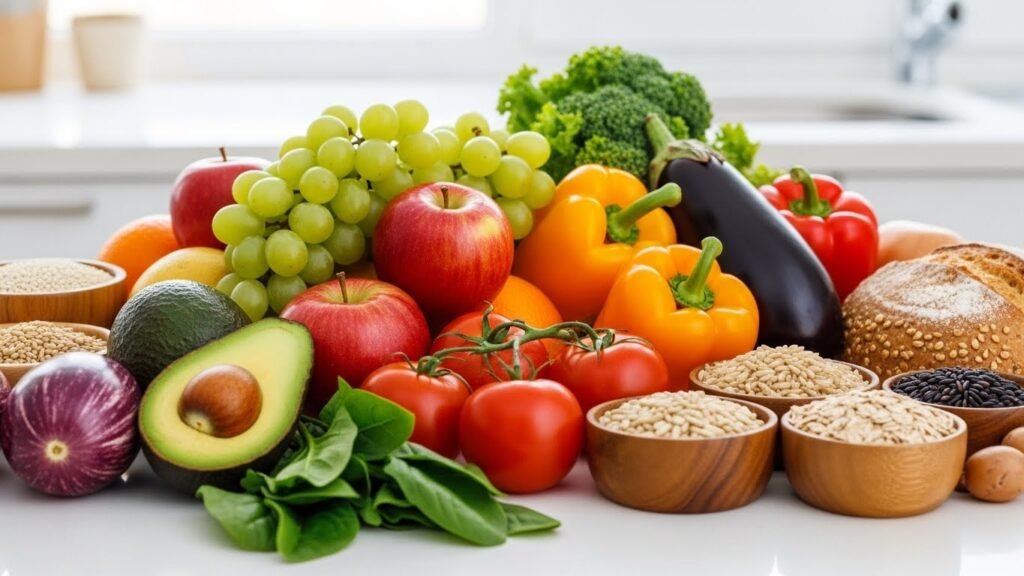
Intermittent fasting works even without strict dieting,
but reducing processed foods boosts your benefits.
Try to limit:
- Sugary snacks
- Chips
- Soft drinks
- Fast food
Choose whole foods most of the time.
Listen to Your Body

IF should feel natural, not forced.
Stop or adjust if you feel:
- Dizziness
- Weakness
- Extreme hunger
- Fatigue
Modify your window until it suits your body comfortably.
Be Patient — Consistency Beats Intensity

Your body needs a few days to a few weeks to adjust.
Focus on:
- Steady energy
- Better sleep
- Reduced cravings
- Improved appetite control
Slow, steady changes create long-term success.
Consider Who Should Avoid Fasting

Intermittent fasting is not ideal for everyone.
Avoid or talk to a doctor first if you:
- Are pregnant or breastfeeding
- Have diabetes or blood sugar issues
- Have a history of eating disorders
- Take certain medications
- Have chronic health conditions
Health and safety always come first.
Final Thoughts
Intermittent fasting is a flexible, simple lifestyle that can help boost energy, reduce cravings, and create healthy eating habits—without strict rules or complicated diets. Start slow, stay hydrated, eat nourishing meals, and pick a routine that feels natural for your day.