
How to Build Muscle with a Clean Bodybuilding Diet
Building muscle isn’t just about lifting heavy weights — it’s about fueling your body the right way. Your training stimulates muscle growth, but your diet determines how well your body repairs and builds that muscle.
A clean bodybuilding diet helps you gain lean mass, boost performance, and stay energized without the excess fat or sluggishness that often comes with traditional bulking diets.
If your goal is to build muscle naturally and stay lean while doing it, this guide will show you how to create a clean, sustainable bodybuilding diet plan that supports strength, energy, and long-term health.
What Is a Clean Bodybuilding Diet?

A “clean” bodybuilding diet focuses on whole, nutrient-dense foods that give your body the building blocks it needs to grow muscle while keeping processed ingredients, excess sugars, and unhealthy fats to a minimum.
It’s not about eating perfectly or cutting out all treats — it’s about emphasizing foods that nourish, repair, and energize your body while keeping you lean and strong.
The key elements of a clean muscle-building diet include:
- High-quality protein sources
- Complex, slow-digesting carbohydrates
- Healthy fats for hormone support
- Plenty of fiber, vitamins, and minerals
- Hydration and consistency
This approach helps your body recover faster, perform better, and stay in an optimal state for muscle growth.
Why Clean Eating Matters for Muscle Growth
When you’re building muscle, your body needs two things: fuel and recovery.
A diet filled with highly processed foods can interfere with both by causing inflammation, slowing digestion, and leading to energy crashes. Clean eating ensures your body gets the nutrients it needs to:
- Build and repair muscle tissue
- Maintain hormonal balance (especially testosterone and growth hormone)
- Improve workout performance
- Reduce fat gain during muscle building
- Support digestive health and energy levels
In short, a clean diet helps you gain quality muscle — not just weight.
Step 1: Calculate Your Caloric Needs

To build muscle, you need to eat in a calorie surplus — consuming more calories than your body burns in a day. But the key is to do it cleanly and gradually.
Too many calories from poor-quality food can lead to fat gain, not muscle.
Here’s a simple way to estimate your daily needs:
- Calculate your maintenance calories (the amount you need to maintain your current weight).
Multiply your body weight (in pounds) by 15–16.
Example: 160 lbs × 15 = 2,400 calories/day. - Add 250–500 calories for lean muscle gain.
Example: 2,400 + 300 = 2,700 calories/day.
Start here and adjust based on your progress. If you’re not gaining muscle after a few weeks, increase by 100–200 calories daily.
Step 2: Focus on Macronutrient Balance

Clean bodybuilding isn’t just about calories — it’s about macros: protein, carbohydrates, and fats.
Each plays a vital role in muscle growth and overall health.
Protein: The Building Block
Protein repairs and builds muscle fibers after your workouts.
Aim for 1.0–1.2 grams per pound of body weight per day.
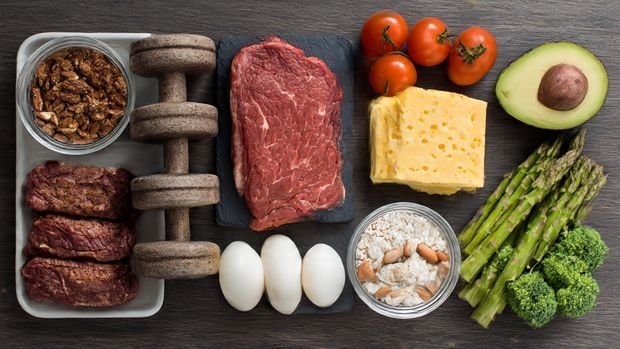
Best clean protein sources:
- Chicken breast, turkey, lean beef
- Eggs and egg whites
- Fish (salmon, tuna, cod)
- Tofu, tempeh, seitan (for plant-based diets)
- Greek yogurt, cottage cheese
- Protein powder (whey or plant-based)
Divide your protein evenly across 4–5 meals a day for best absorption.
Carbohydrates: The Energy Source
Carbs fuel your workouts and help replenish glycogen stores in your muscles. Choose complex, slow-digesting carbs instead of refined sugars.
Best clean carb sources:
- Brown rice, quinoa, oats
- Sweet potatoes, whole-grain pasta
- Beans, lentils, chickpeas
- Fruits like berries, apples, and bananas
- Vegetables — especially leafy greens
Aim for 2–2.5 grams of carbs per pound of body weight depending on your activity level.
Fats: The Hormone Regulator
Healthy fats support testosterone production and joint health — both crucial for muscle growth.
Best clean fat sources:
- Avocados
- Nuts and seeds
- Olive oil, flaxseed oil
- Fatty fish (salmon, sardines)
- Nut butters (without added sugar)
Aim for 0.3–0.5 grams of fat per pound of body weight daily.
Step 3: Plan Your Meal Timing
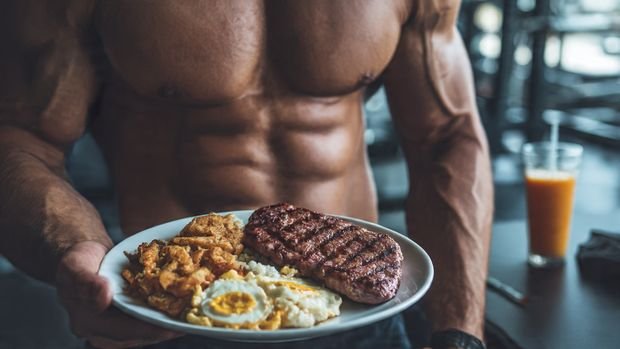
Eating the right foods at the right times helps your body use nutrients efficiently.
Pre-Workout Meal
Eat 1–2 hours before training to fuel your workout.
Include:
- Lean protein (chicken, eggs, tofu)
- Complex carbs (brown rice, oats, sweet potato)
- Small amount of healthy fats
Example: Chicken, brown rice, and veggies or oatmeal with protein powder and berries.
Post-Workout Meal
Your muscles are like sponges after a workout — they absorb nutrients for recovery.
Eat within 30–60 minutes after training.
Include:
- Fast-digesting protein (protein shake or egg whites)
- Carbs to replenish glycogen (fruit or rice)
Example: Protein shake with banana or grilled fish with quinoa.
Between Meals
Keep your energy steady by spacing meals every 3–4 hours.
If needed, include healthy snacks like:
- Greek yogurt with nuts
- Boiled eggs
- Protein bars (low in sugar)
- Apple with peanut butter
This helps prevent hunger and keeps your metabolism active throughout the day.
Step 4: Stay Hydrated

Muscles are about 70% water, and dehydration can affect your strength and recovery.
Aim for at least 3 liters (100 oz) of water daily, and more if you train intensely.
You can also add:
- Coconut water for electrolytes
- Herbal teas for variety
- A pinch of sea salt if you sweat heavily
Hydration supports nutrient transport, muscle contraction, and overall performance.
Step 5: Choose Whole, Unprocessed Foods
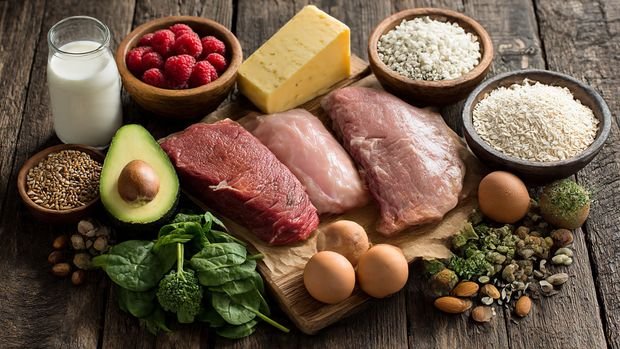
A clean bodybuilding diet is built around real food, not processed supplements or fast meals.
Focus on:
- Cooking at home with fresh ingredients
- Avoiding fried or refined foods
- Limiting added sugars and artificial sweeteners
- Eating a variety of colorful fruits and vegetables
The more whole your diet, the better your energy, digestion, and recovery will be.
Step 6: Supplement Smartly (Not Excessively)

Supplements can help, but they should complement your diet — not replace it.
Here are a few effective, evidence-backed options:
- Protein powder: To meet daily protein goals conveniently.
- Creatine monohydrate: Improves strength and muscle recovery.
- Omega-3 fish oil: Reduces inflammation and supports joint health.
- Multivitamin: Covers micronutrient gaps.
- Vitamin D and magnesium: Support hormonal and muscle function.
Skip unnecessary “fat burners” or extreme pre-workouts — focus on consistency instead.
Step 7: Prioritize Recovery and Sleep

Muscle growth doesn’t happen during workouts — it happens while you rest and recover.
Aim for 7–9 hours of quality sleep each night. During deep sleep, your body releases growth hormone and repairs muscle tissue.
Also include rest days in your routine. Training six days a week is fine, but give your muscles 1–2 days weekly to recover fully.
Step 8: Avoid Common Clean Bulking Mistakes

Even when eating clean, it’s easy to make mistakes that stall progress.
Here’s what to watch out for:
- Eating too few calories: You can’t grow muscle without a calorie surplus.
- Neglecting carbs: Carbs are essential for strength and energy.
- Not tracking intake: Use an app or food journal to stay on track.
- Skipping rest: Overtraining raises cortisol and slows growth.
- Ignoring portion sizes: Even clean foods can cause fat gain if overeaten.
Balance, not extremes, builds lasting results.
Step 9: Sample Clean Bodybuilding Meal Plan
Here’s an example of a balanced day for muscle growth — around 2,700 calories for an active male (adjust portions as needed):
Breakfast:
Oatmeal with almond butter, banana, and a scoop of whey protein
Snack:
Greek yogurt with walnuts and honey
Lunch:
Grilled chicken breast, brown rice, and steamed broccoli
Pre-Workout:
Whole-grain toast with peanut butter and banana slices
Post-Workout:
Protein shake with frozen berries
Dinner:
Salmon, quinoa, and roasted vegetables
Evening Snack:
Cottage cheese with chia seeds
This plan provides a steady supply of protein, fiber, and clean energy throughout the day.
Step 10: Be Consistent and Patient

Building lean muscle takes time — not days or weeks, but months of consistent effort.
Stick to your training plan, stay disciplined with your diet, and adjust gradually based on your progress.
If you gain too much fat, reduce calories slightly. If your energy drops or you’re not seeing progress, increase your protein or carbs a bit.
The key is balance — fueling your body cleanly, training effectively, and resting deeply.
Final Thoughts
A clean bodybuilding diet is more than just a meal plan — it’s a mindset. It’s about respecting your body, fueling it with quality food, and focusing on strength and health over shortcuts.
When you eat clean, you’ll not only build lean muscle but also feel more energized, focused, and confident every day.
Start simple: focus on real food, adequate protein, balanced meals, and proper hydration. Stay consistent, and your results will speak for themselves.
Because true strength isn’t just about how much weight you lift — it’s about how well you nourish and take care of the body that lifts it.