
Simple Fitness Habits to Support Hormonal Health
Your hormones are like the body’s invisible orchestra — they control your energy, mood, metabolism, sleep, and even how your body stores fat. When your hormones are balanced, you feel strong, calm, and full of life. But when they’re out of sync, everything feels harder — from getting a good night’s sleep to maintaining a healthy weight or managing stress.
Here’s the good news: you don’t need complicated workouts or strict routines to support your hormonal balance. In fact, simple, consistent fitness habits can make a huge difference.
Whether you’re dealing with fatigue, mood swings, or metabolism issues, the right kind of movement can help restore balance naturally. Let’s explore how.
Why Hormonal Health Matters

Hormones are chemical messengers that control nearly every function in your body — from how you burn calories to how you handle stress.
Key hormones influenced by your fitness habits include:
- Cortisol: Your stress hormone
- Insulin: Regulates blood sugar levels
- Estrogen and progesterone: Support reproductive health
- Thyroid hormones: Control metabolism and energy
- Endorphins: Boost mood and mental well-being
When these hormones are balanced, you experience better energy, mood stability, and overall health. But modern lifestyles — filled with stress, poor sleep, and inactivity — can easily throw them off.
That’s where movement comes in. Exercise can be a powerful tool for hormonal harmony when done the right way.
How Exercise Impacts Your Hormones

Not all workouts affect your hormones the same way. Some boost balance, while others — if overdone — can stress your system.
Here’s how exercise influences your hormonal health:
1. Regulates Cortisol (Stress Hormone)

Cortisol rises during stress — physical or emotional. Moderate exercise helps lower chronic cortisol levels, reducing anxiety and improving mood. However, overtraining can spike cortisol, leading to fatigue or hormonal imbalance.
The key: choose balanced movement instead of punishing workouts.
2. Improves Insulin Sensitivity

Regular exercise helps your body use insulin more efficiently, preventing blood sugar spikes that can lead to weight gain and energy crashes. Strength training and walking after meals are especially beneficial for this.
3. Balances Sex Hormones

Certain types of exercise — like strength training and yoga — support estrogen and progesterone balance, improving PMS symptoms and supporting fertility.
4. Boosts Endorphins and Serotonin

Exercise triggers the release of “feel-good” hormones that elevate your mood, ease stress, and improve sleep quality. A daily walk or light workout can have an almost immediate effect.
The Best Fitness Habits for Hormonal Health

Supporting your hormones doesn’t require intense training. It’s about balance, movement variety, and listening to your body.
Here are simple, sustainable habits that help your hormones thrive.
1. Move Every Day — But Gently

Consistency is more powerful than intensity.
Aim for 20–40 minutes of movement most days, whether that’s walking, stretching, or light yoga.
This helps regulate cortisol and insulin while improving circulation and digestion. Even small bursts of activity — like taking stairs or dancing while cooking — count.
Try this:
Morning walk + light stretching in the evening = simple daily balance.
2. Include Strength Training

Strength training (even with body weight) is one of the best ways to support hormonal balance. It boosts metabolism, improves muscle tone, and helps your body use insulin effectively.
It also encourages the release of growth hormone and testosterone — essential for energy, strength, and maintaining lean muscle (especially as we age).
Start simple:
- Squats
- Push-ups (on knees if needed)
- Glute bridges
- Dumbbell or resistance band exercises
Aim for 2–3 sessions a week. Focus on controlled movements and proper form — not heavy weights.
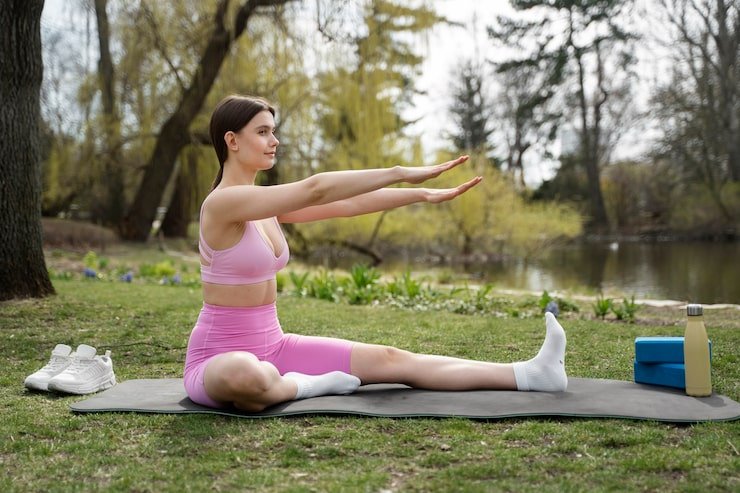
3. Add Restorative Movement (Yoga or Stretching)
High stress and lack of rest increase cortisol, throwing other hormones off balance. That’s why gentle movement like yoga, stretching, or Pilates is crucial for recovery and emotional balance.
Yoga helps regulate the parasympathetic nervous system (your body’s relaxation mode), lowering stress hormones and promoting better sleep.
Try this:
End your day with 10 minutes of yoga or deep stretching — it signals your body to unwind.
4. Walk After Meals

A short walk after eating is one of the easiest and most effective habits for hormone support.
Walking improves insulin sensitivity, helping your body manage blood sugar naturally. It also reduces bloating and supports digestion — two major factors in hormonal health.
Even a 10-minute stroll after lunch or dinner can make a noticeable difference.
5. Get Enough Recovery and Sleep

Sleep is where true hormonal healing happens. During deep sleep, your body balances cortisol, repairs tissues, and regulates appetite hormones like leptin and ghrelin.
Aim for 7–9 hours per night, and prioritize recovery between workouts. Overtraining without rest raises cortisol and lowers progesterone — a common cause of fatigue and mood swings.
Tip:
If you wake up tired or crave sugar often, your body may be asking for rest, not more workouts.
6. Balance Cardio with Strength and Recovery
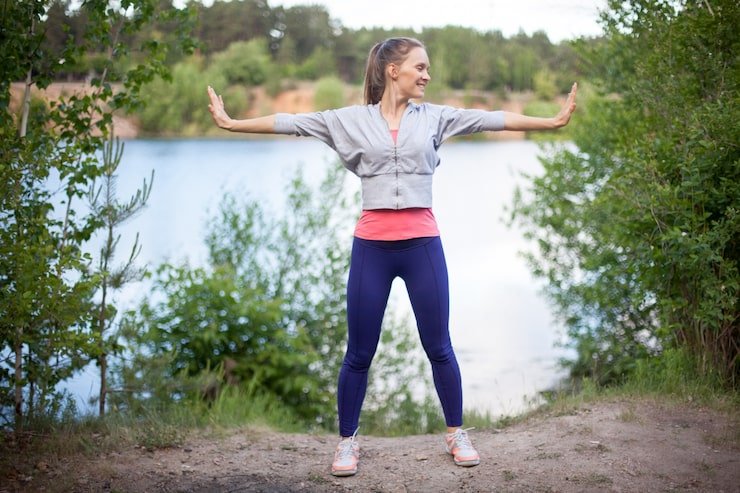
Cardio is excellent for heart health and mood, but too much high-intensity cardio can elevate stress hormones.
A healthy hormonal routine blends three movement types:
- Low-intensity (walking, yoga)
- Strength training
- Moderate cardio (cycling, dancing, or brisk walking)
This balance supports fat metabolism and keeps your hormones in sync.
7. Align Workouts with Your Energy Levels

Your energy naturally fluctuates through the day and even across your monthly cycle (for women). Listening to these changes helps prevent burnout.
For example:
- On high-energy days — do strength training or moderate cardio.
- On low-energy days — choose stretching, yoga, or walking.
Working with your body, not against it, is the key to hormonal harmony.
8. Don’t Skip Meals Before Intense Workouts

Fasting workouts can increase cortisol, especially for women. Eating a light meal or snack with protein and healthy carbs before exercise helps maintain stable blood sugar and hormone balance.
Pre-workout ideas:
- Banana with almond butter
- Greek yogurt with berries
- Small smoothie with oats and protein powder
Fuel your body — don’t punish it.
9. Stay Hydrated

Dehydration can raise cortisol levels and slow metabolism. It also affects thyroid function and energy production.
Drink water steadily throughout the day — not just during workouts. Add electrolytes or herbal teas for variety and extra hydration.
10. Prioritize Stress Management

No fitness routine can support your hormones if you’re constantly stressed. Chronic stress keeps cortisol high, which disrupts every other hormone in your body.
Combine physical movement with relaxation techniques:
- Deep breathing or meditation
- Nature walks
- Journaling
- Listening to calming music
The goal is not just to exercise but to move mindfully and restore balance inside and out.
Weekly Hormone-Balancing Workout Plan

Here’s a simple weekly structure to help your hormones stay balanced, energized, and supported:
Monday:
Strength training (full body, 30–40 minutes)
Tuesday:
Gentle yoga or stretching (20 minutes)
Wednesday:
Brisk walk or light cardio (30 minutes)
Thursday:
Rest or restorative yoga (15–20 minutes)
Friday:
Strength or Pilates (30 minutes)
Saturday:
Leisure activity (hike, dance, or long walk)
Sunday:
Rest and mindfulness — reflect, breathe, and recharge
This rhythm alternates between effort and recovery — exactly what your hormones need to thrive.
Nutrition and Lifestyle Tips to Support Hormonal Fitness

Fitness and nutrition go hand in hand when it comes to hormones. Pair your workouts with healthy lifestyle habits for the best results:
- Eat balanced meals with protein, healthy fats, and fiber.
- Avoid skipping meals or extreme dieting — it can disrupt hormonal signals.
- Choose whole foods over processed snacks.
- Limit caffeine and alcohol, which can elevate cortisol.
- Manage sleep, stress, and hydration daily.
Movement supports your hormones — but nourishment keeps them stable.
Listening to Your Body
Hormonal health isn’t about doing more — it’s about doing what feels right for your body.
Some days you’ll feel strong and energized. Other days, your body may need rest and care. Both are equally important parts of balance.
The real secret is consistency: moving daily, resting when needed, and paying attention to how your body responds.
Final Thoughts
Hormonal balance isn’t about perfection — it’s about connection. It’s about tuning in, moving intentionally, and respecting your body’s needs.
Simple, consistent fitness habits — like walking daily, strength training twice a week, stretching before bed, and prioritizing sleep — can work wonders for your hormonal health.
When you focus on movement that makes you feel good, your body naturally finds its balance. You’ll have more energy, fewer mood swings, and a stronger sense of calm and confidence.
So start today. Move gently. Rest fully. And let your body find its natural rhythm again — one step, one breath, one simple habit at a time.