How Hydration Affects Your Energy and Daily Performance
We all know that drinking water is essential — but few people truly understand how much hydration affects your energy, focus, and daily performance.
From your morning routine to your evening workout, every single system in your body depends on water to function properly. Yet, many of us walk around mildly dehydrated without realizing it — and that can silently drain our energy, productivity, and mood.
If you often feel tired, unfocused, or sluggish even after a good night’s sleep, the problem might not be your schedule — it might be your hydration habits.
Let’s explore how staying hydrated influences your body, mind, and overall performance — and how to make it a natural, energizing part of your daily routine.
Why Hydration Is So Important
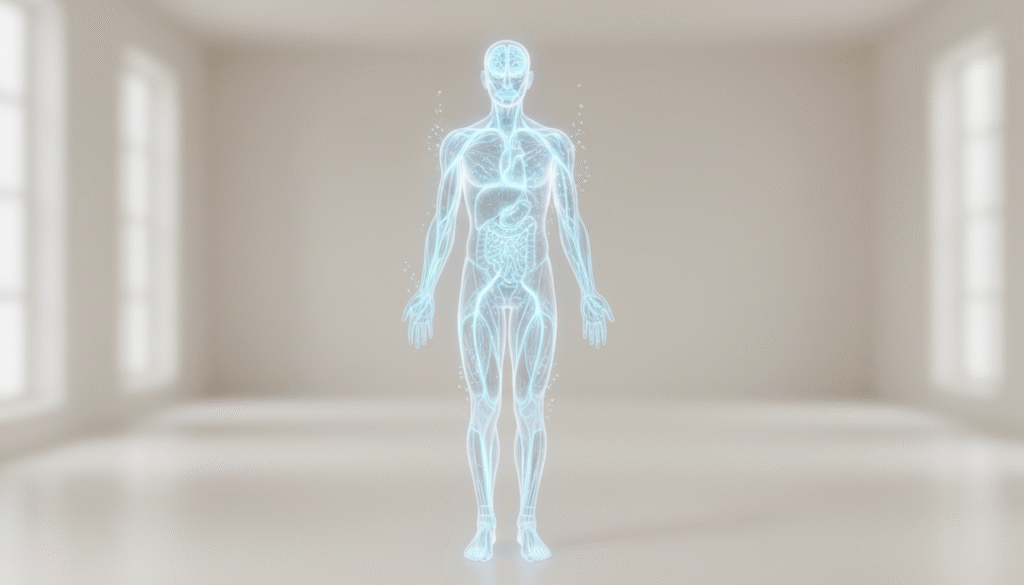
Water makes up about 60% of the human body, and it’s involved in nearly every function that keeps us alive and well.
From regulating temperature to helping cells absorb nutrients, hydration plays a key role in everything your body does. Without enough water, your body struggles to perform even basic tasks efficiently — leading to fatigue, headaches, and brain fog.
Here’s what water helps your body do every single day:
- Transport nutrients and oxygen to your cells
- Flush out toxins and waste
- Support digestion and nutrient absorption
- Regulate body temperature
- Lubricate joints and muscles
- Keep skin hydrated and healthy
- Maintain mental clarity and focus
In short, water is your body’s energy system. Without it, you can’t function at your best.
The Connection Between Hydration and Energy

Many people reach for coffee or energy drinks when they feel tired, but often, dehydration is the real reason behind that low-energy feeling.
When you’re dehydrated, your blood volume decreases, meaning your heart has to work harder to pump oxygen and nutrients throughout your body. That leads to slower circulation — and in turn, less energy.
Even mild dehydration can cause symptoms like:
- Fatigue and sluggishness
- Difficulty concentrating
- Headaches
- Dizziness or lightheadedness
- Muscle cramps
- Irritability
Studies show that losing just 1–2% of your body’s water can negatively affect your mood, focus, and physical performance. That’s a very small amount — roughly what you lose after a few hours without fluids or a short workout.
So the next time you feel drained, try drinking a big glass of water before grabbing another coffee — your body might just be running low on hydration, not caffeine.
How Hydration Impacts Mental Performance

Your brain is about 75% water, so it’s no surprise that hydration directly affects mental performance.
Even slight dehydration can cause brain fog, slower reaction times, and trouble focusing. When your body doesn’t have enough water, your brain cells lose efficiency, making it harder to stay alert and think clearly.
Here’s how hydration supports mental function:
- Improves focus and memory: Adequate hydration helps you concentrate longer and retain information better.
- Boosts mood: Dehydration increases cortisol (the stress hormone), leading to irritability and anxiety.
- Enhances productivity: Staying hydrated improves alertness and energy, helping you get more done with less effort.
If you ever find yourself zoning out mid-day, drinking a glass of water might be the simplest brain boost you need.
Hydration and Physical Performance
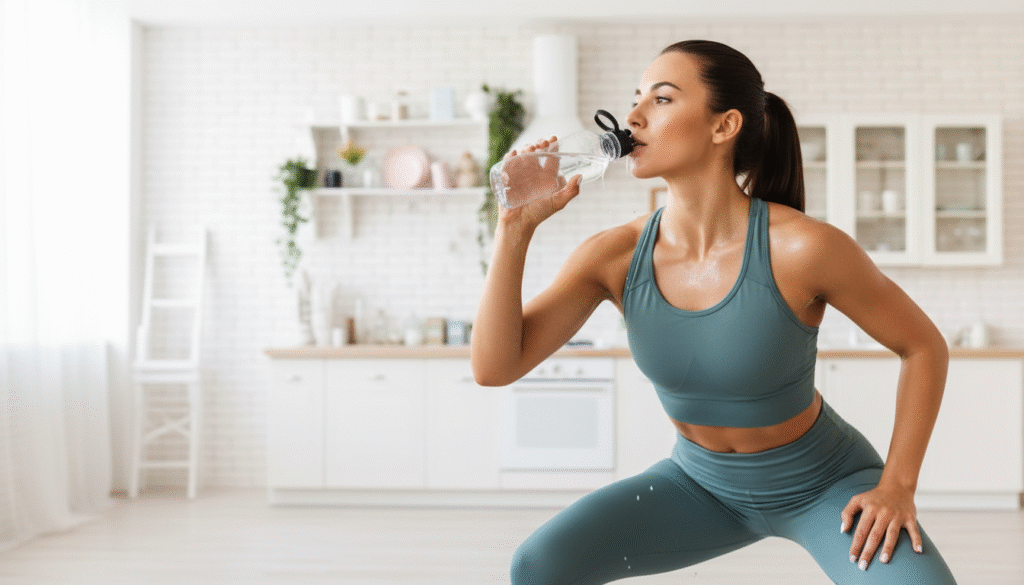
Whether you exercise regularly or just stay active throughout the day, hydration has a major impact on how your body performs physically.
When you sweat, you lose both water and electrolytes (like sodium, potassium, and magnesium), which are vital for muscle function and endurance. If you don’t replace them, you might experience:
- Muscle cramps
- Decreased strength
- Slower reaction time
- Early fatigue
Proper hydration keeps your muscles flexible, your joints lubricated, and your body temperature stable during activity.
Even a small drop in hydration levels can significantly reduce endurance and make exercise feel harder than it is.
So if you want to perform your best — whether that means hitting the gym, running errands, or playing with your kids — keeping up with your fluids is key.
Signs You’re Not Drinking Enough Water

Dehydration doesn’t always feel like extreme thirst. In fact, by the time you feel thirsty, your body is already a bit behind on hydration.
Here are some common signs that you might not be drinking enough water:
- Dry mouth or chapped lips
- Headaches or dizziness
- Tiredness even after sleeping well
- Dry skin or breakouts
- Dark yellow urine
- Muscle stiffness or cramps
- Difficulty focusing or irritability
Pay attention to these subtle cues — they’re your body’s way of telling you it needs more water.
How Much Water Do You Actually Need?
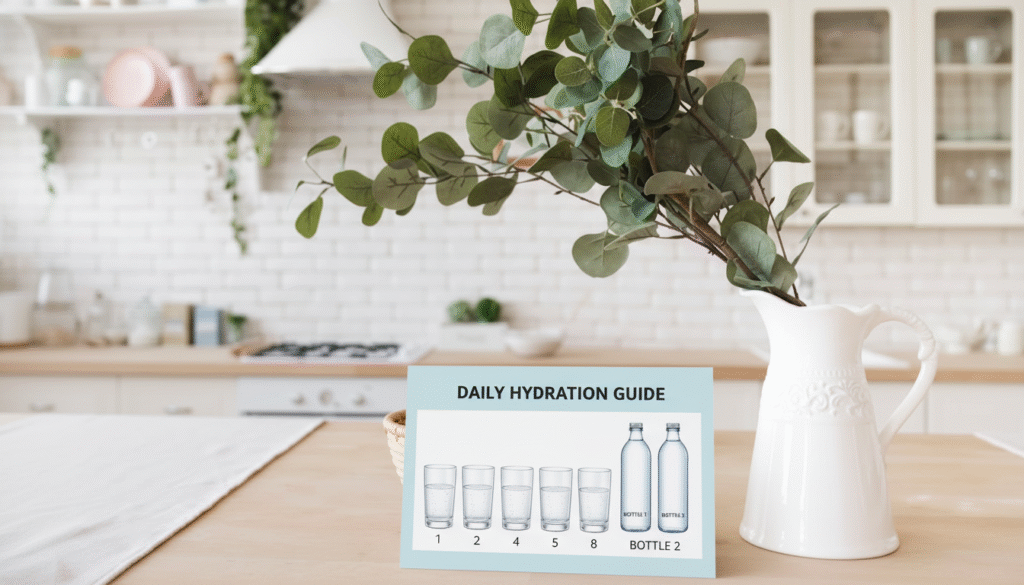
The “8 glasses a day” rule is a good starting point, but everyone’s hydration needs are different.
A better approach is to listen to your body and adjust based on your activity level, environment, and diet.
Here are some general guidelines:
- Women: Around 2.7 liters (about 9 cups) per day
- Men: Around 3.7 liters (about 12 cups) per day
- Active individuals: Add 1–2 cups per hour of exercise
- Hot climates: Increase intake to replace sweat loss
If you’re eating lots of fruits, vegetables, or soups, you’re also getting some water through your food — about 20–25% of your daily intake.
A simple way to check hydration is by looking at your urine color:
Pale yellow = hydrated, dark yellow = drink more water.
The Role of Electrolytes in Hydration
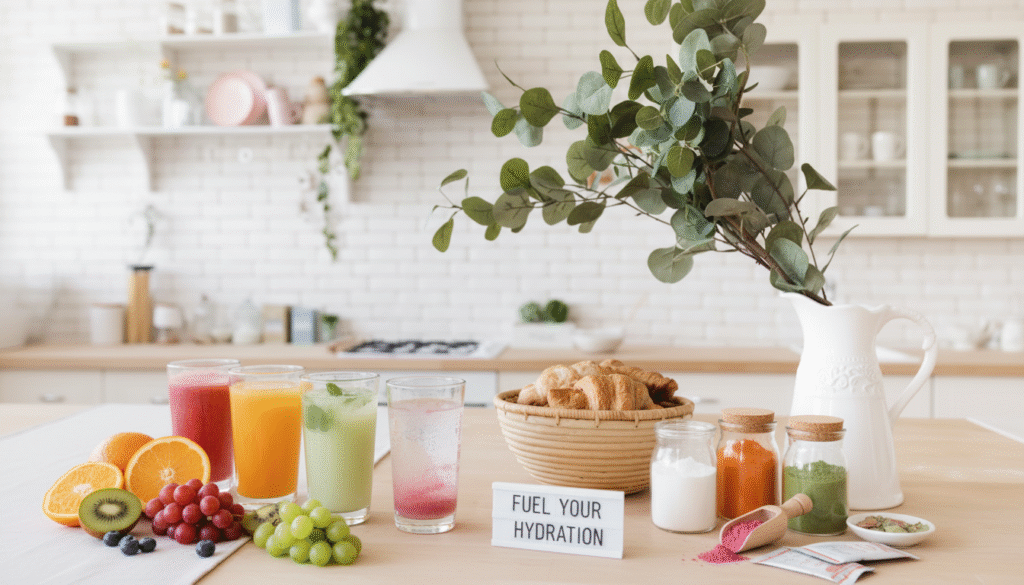
While water is essential, electrolytes are equally important for maintaining proper hydration balance.
Electrolytes — like sodium, potassium, calcium, and magnesium — help regulate muscle contractions, nerve function, and fluid balance inside your cells.
If you drink only plain water after heavy sweating or exercise, you might dilute these electrolytes and experience fatigue or cramps.
You can replenish them naturally by eating:
- Bananas or oranges (potassium)
- Yogurt or milk (calcium)
- Leafy greens (magnesium)
- A pinch of sea salt in water (sodium)
For intense workouts, you can also sip coconut water or an electrolyte drink, but for everyday hydration, water plus a balanced diet is usually enough.
Hydration and Your Daily Routine

Improving hydration doesn’t have to be complicated — it’s all about building small, consistent habits throughout your day.
Here’s a simple routine to help you stay hydrated naturally:
Morning:
Drink one glass of water right after waking up. It rehydrates your body after sleep and jumpstarts your metabolism.
Throughout the Day:
Keep a refillable water bottle with you — at your desk, in your car, or in your bag. Sip regularly instead of gulping large amounts at once.
Before Meals:
Drink a glass of water 20–30 minutes before eating. It supports digestion and prevents overeating.
During Exercise:
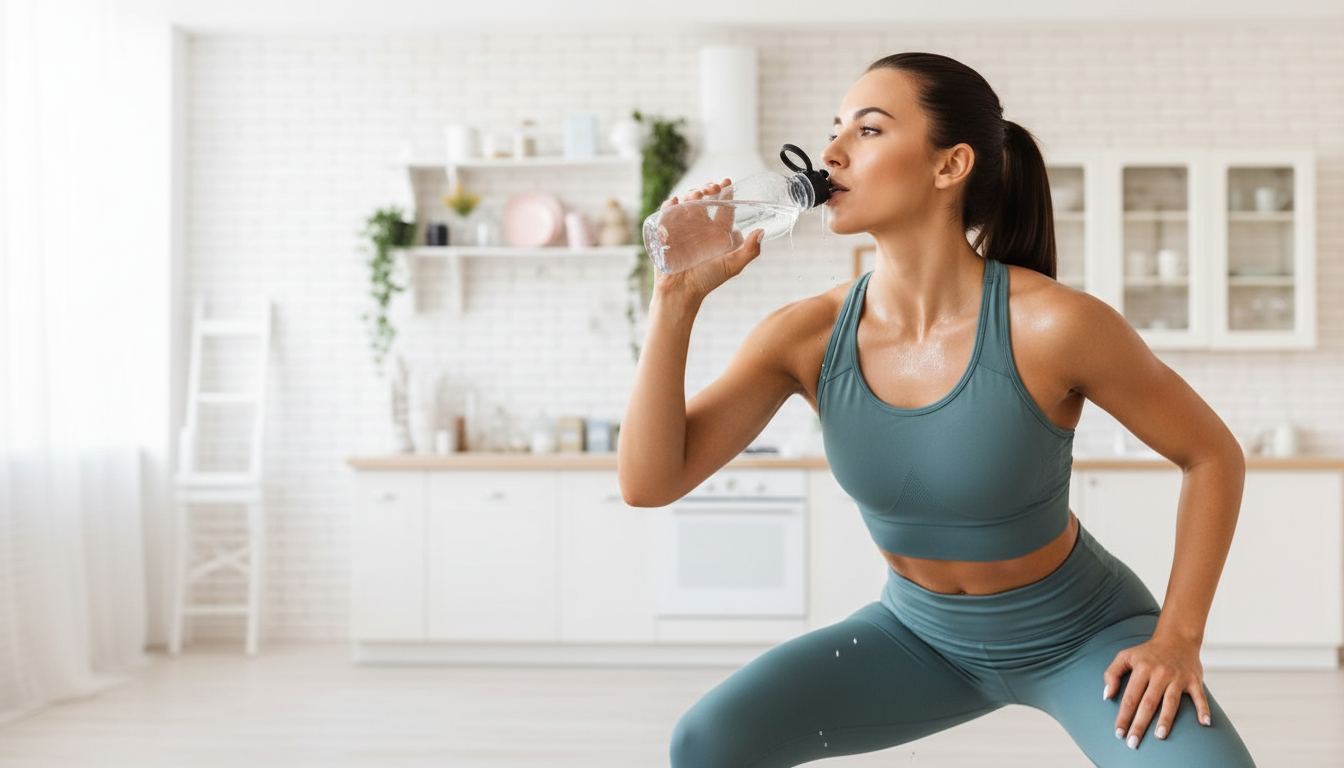
Sip water before, during, and after your workout to replace lost fluids.
Evening:
Finish the day with a small glass of water, but avoid drinking too much right before bed to prevent sleep disruptions.
Consistency matters more than quantity at any one time — it’s better to drink a little throughout the day than a lot all at once.
Common Hydration Mistakes to Avoid
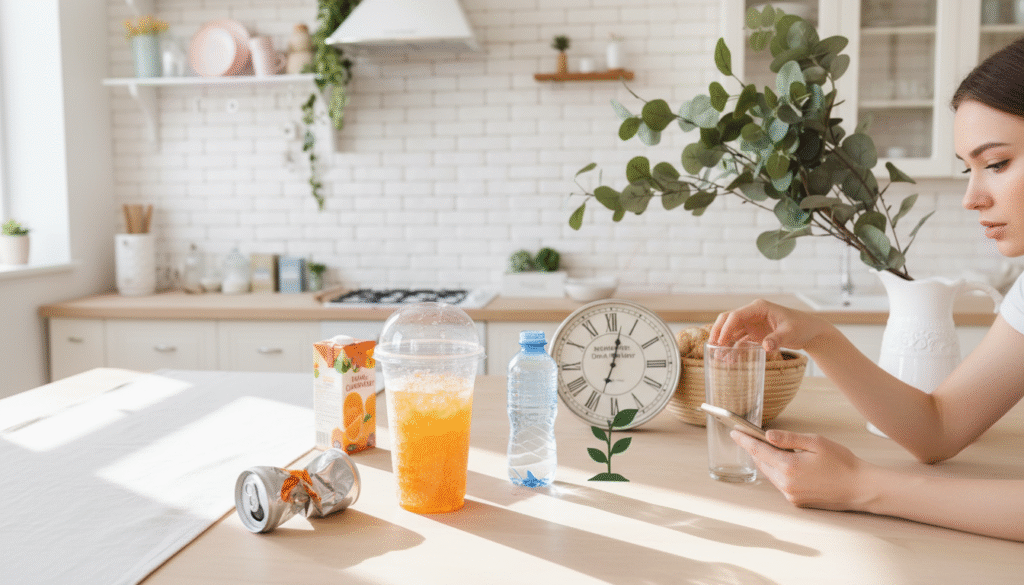
Even people who drink lots of water sometimes make small mistakes that affect hydration quality.
Avoid these common pitfalls:
- Drinking too much too quickly: It can flush out electrolytes. Sip steadily instead.
- Relying on sugary drinks: Soda and flavored drinks dehydrate more than they hydrate.
- Ignoring thirst cues: Don’t wait until you feel parched to drink water.
- Skipping water-rich foods: Fruits and veggies help you stay hydrated too.
- Drinking only when it’s hot: You lose water even in cool weather through breathing and sweat.
Building mindful hydration habits helps you stay energized year-round.
How to Make Water More Enjoyable
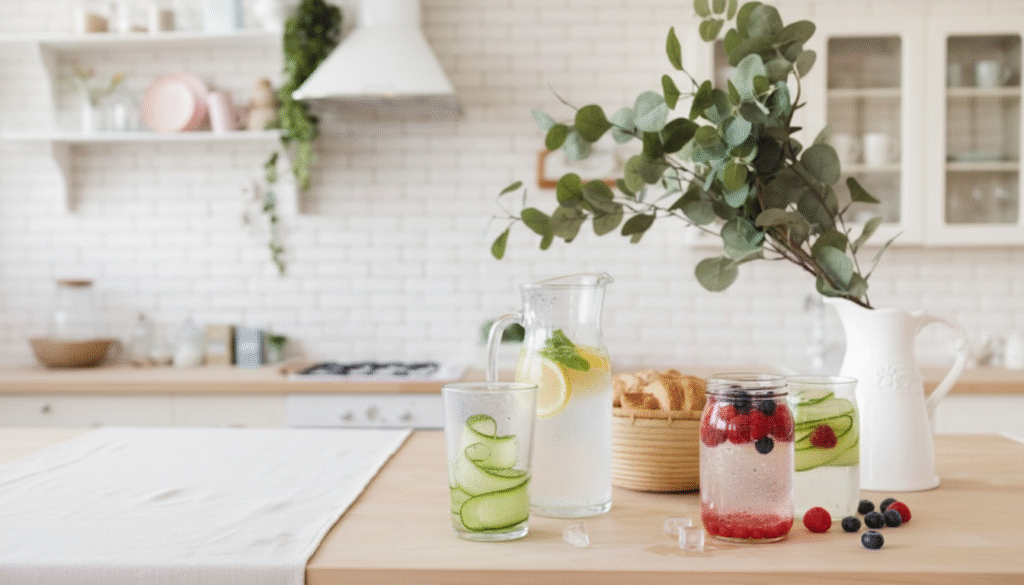
If plain water feels boring, you can make hydration more fun (and flavorful) without adding unnecessary sugar.
Try these easy ideas:
- Add slices of lemon, cucumber, or orange for a fresh twist.
- Infuse water overnight with mint, berries, or citrus for natural flavor.
- Try sparkling water for a fizzy change.
- Drink herbal teas like chamomile or hibiscus for hydration and calm.
- Use a straw or a pretty glass — small details can make drinking water more enjoyable.
The goal is to create a habit you actually look forward to.
Hydration and Your Overall Well-Being
Beyond energy and performance, hydration also impacts your overall health in countless ways:
- Keeps skin glowing and hydrated
- Supports digestion and reduces bloating
- Helps regulate body temperature
- Boosts metabolism
- Improves mood and mental clarity
- Supports healthy kidney function
In other words, water fuels not just your body — but your life.
Final Thoughts
Hydration isn’t just about drinking water — it’s about keeping your body and mind performing at their best.
When you’re hydrated, you think clearer, move better, sleep deeper, and feel more energized throughout the day. And it doesn’t take major effort — just consistent awareness and small changes in your daily routine.
Start simple: carry a water bottle, drink a glass first thing in the morning, and pay attention to how you feel. Within days, you’ll notice better focus, lighter moods, and more natural energy.
Because sometimes, the simplest change — a sip of water — can make the biggest difference in your day and your health.