

Feeling tired, stiff, or generally unwell? You might be experiencing chronic inflammation, a silent process in your body that can affect your energy, mood, and overall health. While inflammation is a natural part of healing, when it lingers, it can become a real problem.
The good news is that you have a powerful tool to fight it: your diet. What you eat plays a huge role in either fueling or calming inflammation. This 90-day plan is your straightforward guide to understanding how food impacts your body and making sustainable changes for lasting results.
This isn’t about quick fixes or extreme restrictions. It’s about building a healthier relationship with food, learning what makes your body feel its best, and creating habits that support you for years to come. Over the next three months, we’ll work together to transform your eating habits and empower you to live with less pain and more vitality.
Understanding Inflammation: Your Body’s Silent Alarm
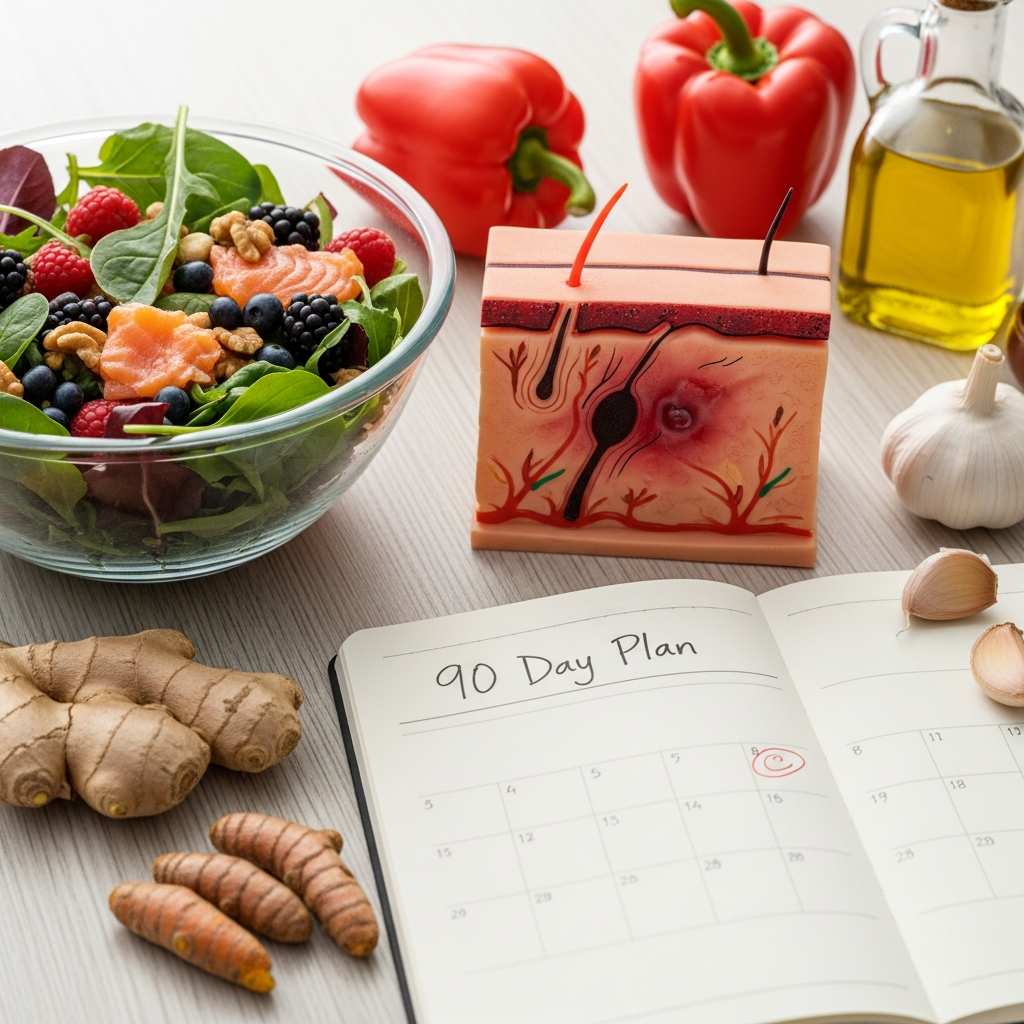
Before we dive into the diet plan, let’s get a clear picture of what inflammation actually is. It’s often misunderstood, but it’s a fundamental part of your body’s defense system.
What is Inflammation?
Think of inflammation as your body’s emergency response team. When you cut your finger, that redness and swelling is acute inflammation working to heal the wound and fight off infection. This is a good, necessary process.
Chronic inflammation, however, is like that emergency team staying on high alert indefinitely, even when there’s no immediate threat. This prolonged state can slowly damage healthy tissues and contribute to a host of health issues, including joint pain, digestive problems, fatigue, and even more serious conditions.
Symptoms of chronic inflammation can be subtle. They might include persistent fatigue, brain fog, unexplained aches and pains, skin issues, or digestive upset. Many people live with these symptoms without realizing they’re connected to inflammation.
How Diet Affects Inflammation
The food you eat can either calm down or rev up this chronic inflammatory response. Some foods contain compounds that act like fire alarms, signaling your body to stay on alert. Others are packed with nutrients that help put out the fire, promoting healing and balance.
Making conscious food choices can significantly impact your body’s inflammatory state. This 90-day plan focuses on shifting your diet to nourish your body and reduce this silent stress.
The Pillars of an Anti-Inflammatory Diet
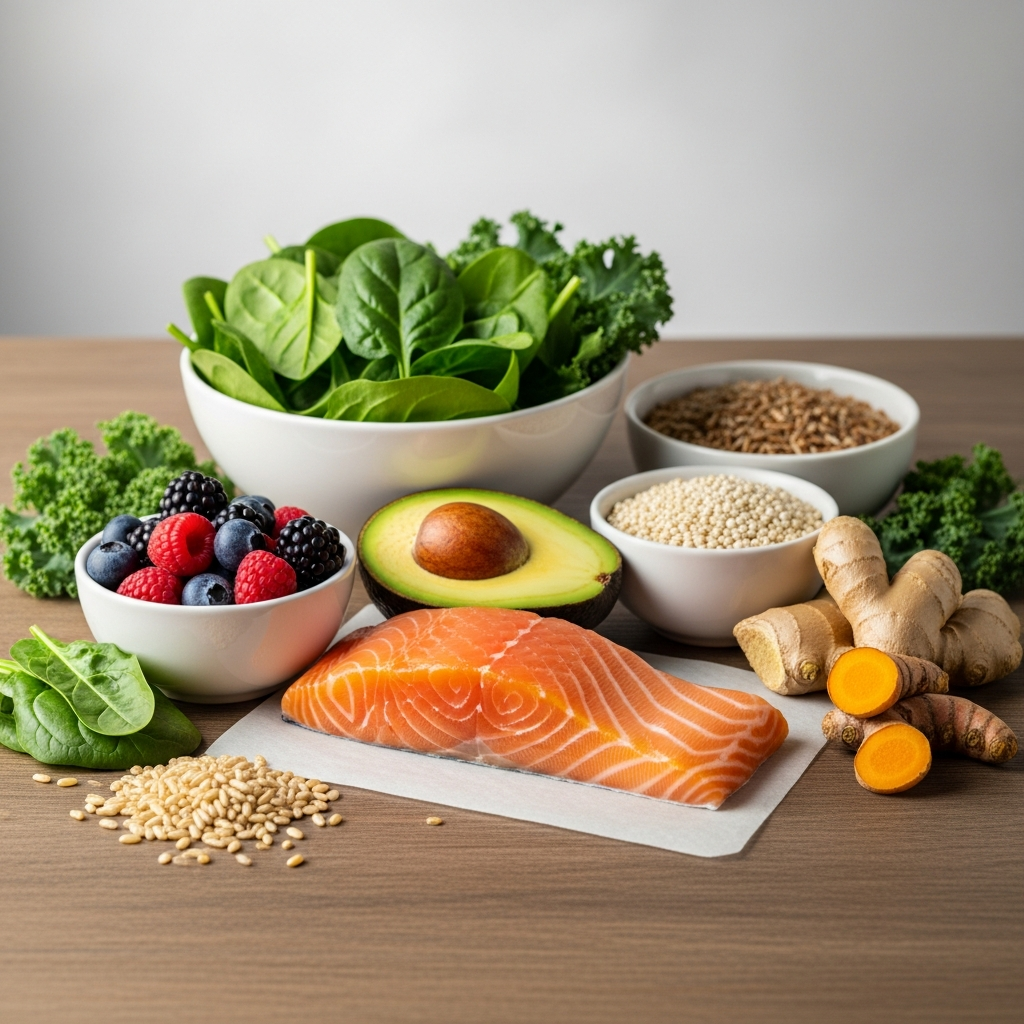
An anti-inflammatory diet isn’t about deprivation; it’s about abundance. It encourages you to fill your plate with vibrant, nutrient-dense foods that work with your body, not against it.
Foods to Embrace (The Good Stuff)
These are the foods that help calm inflammation and provide your body with essential nutrients. Make them the stars of your meals.
Fruits and Vegetables
These are powerhouses of antioxidants and phytochemicals, which protect your cells from damage. Aim for a rainbow of colors every day.
* Leafy greens: Spinach, kale, collard greens.
* Berries: Blueberries, strawberries, raspberries.
* Bright vegetables: Broccoli, bell peppers, tomatoes, carrots, beets.
* Citrus fruits: Oranges, lemons, grapefruit.
Healthy Fats
Not all fats are created equal. Focus on those rich in Omega-3 fatty acids, known for their anti-inflammatory properties.
* Fatty fish: Salmon, mackerel, sardines (aim for 2-3 servings a week).
* Avocados: A great source of monounsaturated fats.
* Nuts and seeds: Walnuts, almonds, chia seeds, flax seeds.
* Olive oil: Extra virgin olive oil for cooking and dressing.
Whole Grains
Choose whole, unprocessed grains for their fiber content, which supports gut health and can reduce inflammation.
* Oats: Steel-cut or rolled oats.
* Quinoa: A complete protein.
* Brown rice: A good alternative to white rice.
* Whole-wheat bread and pasta (in moderation, if tolerated).
Lean Proteins
Essential for building and repairing tissues, choose lean sources that don’t add to inflammation.
* Chicken and turkey breast: Skinless and hormone-free if possible.
* Legumes: Lentils, chickpeas, black beans.
* Eggs: A versatile and complete protein.
* Fish: Beyond fatty fish, cod, tilapia are good choices.
Spices and Herbs
Many common spices have incredible anti-inflammatory benefits. Incorporate them into your cooking daily.
* Turmeric: Contains curcumin, a powerful anti-inflammatory compound.
* Ginger: Known for soothing properties.
* Garlic and Onion: Also have protective compounds.
* Cinnamon, rosemary, thyme, basil.
Foods to Limit or Avoid (The Triggers)
These foods are often associated with increased inflammation in the body. Reducing or eliminating them is a key step in this plan.
Refined Sugars and Processed Foods
These are major culprits for inflammation and often hide in many common products.
* Sugary drinks: Sodas, fruit juices with added sugar.
* Baked goods: Cakes, cookies, pastries.
* Candy and sweets.
* Processed snacks: Chips, most breakfast cereals.
Unhealthy Fats
Certain fats, especially in excess, can fuel inflammation.
* Trans fats: Often found in fried foods, some fast foods, and commercially baked goods.
* Excessive Omega-6 fatty acids: Found in vegetable oils like corn, soy, and sunflower oil. Use sparingly.
* Deep-fried foods.
Refined Grains
These have been stripped of their beneficial fiber and nutrients, leading to rapid blood sugar spikes.
* White bread, white pasta, white rice.
* Most conventional crackers and cereals.
Alcohol (in excess)
While a moderate amount of red wine might have some benefits, excessive alcohol consumption is pro-inflammatory. Aim for minimal or no alcohol during this 90-day plan.
Artificial Ingredients
Food additives, artificial sweeteners, and preservatives can sometimes trigger inflammatory responses in sensitive individuals. Stick to whole, real foods as much as possible.
Your 90-Day Journey: A Phased Approach
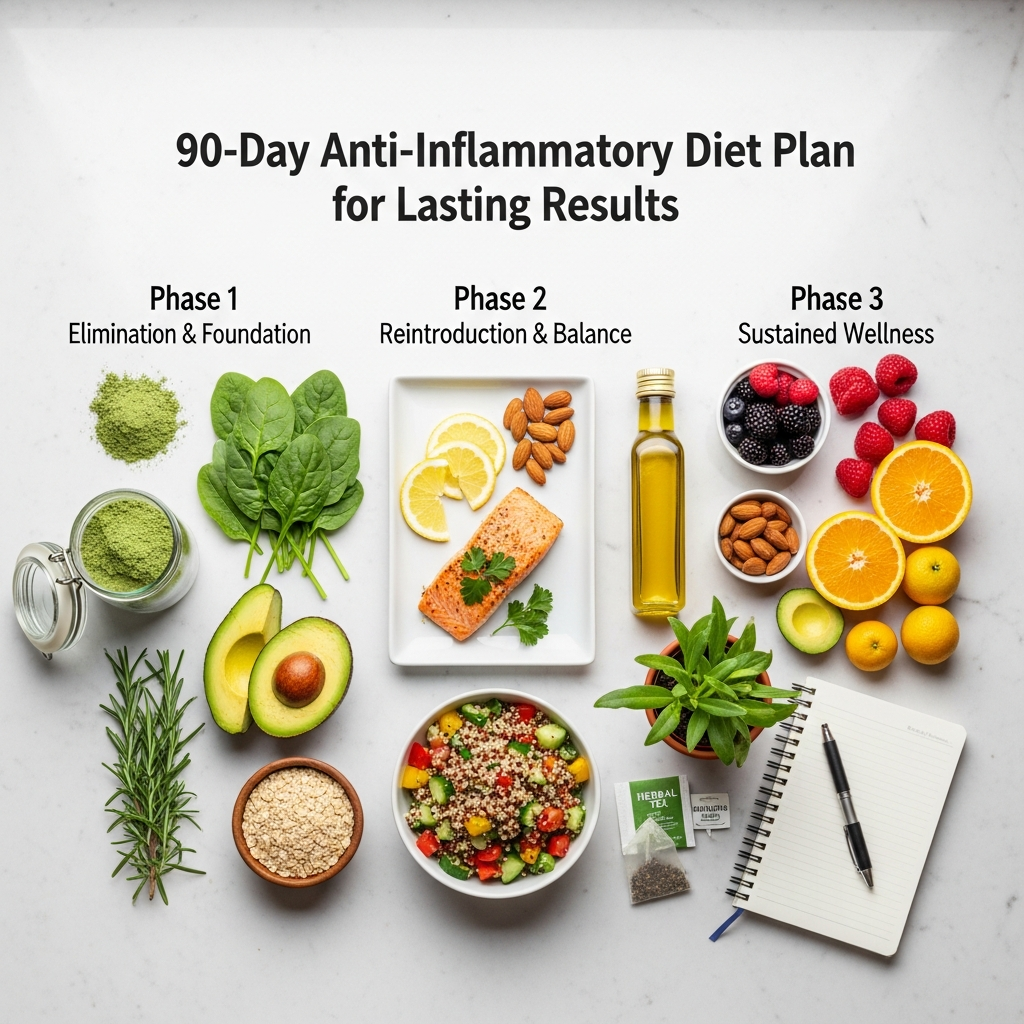
This plan is structured into three phases, each building on the last. This allows your body to adjust gradually and helps you create sustainable habits.
Phase 1: The Reset (Days 1-30)
This initial phase is about clearing out inflammatory triggers and flooding your body with nourishing foods. It’s a time for a strict focus and noticeable changes.
* Focus: Elimination and establishing a baseline.
* Action: Completely remove all inflammatory foods from your diet. This means no added sugars, processed snacks, refined grains, unhealthy fats, or alcohol. Introduce a wide variety of anti-inflammatory foods.
* Practical Tips:
* Read Labels: You’ll be surprised where hidden sugars and unhealthy oils lurk.
* Meal Prep: Spend some time on the weekend preparing meals and snacks for the week. This prevents impulsive, less healthy choices.
* Discover New Ingredients: Explore new vegetables, whole grains like quinoa, and healthy spices.
* Stay Hydrated: Drink plenty of water throughout the day.
* Expectations: You might experience a few days of withdrawal symptoms (sugar cravings, headaches) as your body adjusts. Stick with it. By the end of this phase, you should start noticing improved energy, better digestion, and perhaps less pain.
Phase 2: Building Habits and Expanding (Days 31-60)
Now that you’ve established a solid foundation, this phase focuses on solidifying your new eating patterns and expanding your repertoire of healthy meals.
* Focus: Solidifying new eating patterns, exploring variety, and listening to your body.
* Action: Continue with the anti-inflammatory foods. Start experimenting with new recipes and flavor combinations. You might slowly reintroduce one previously restricted food at a time (like a specific whole grain) to see how your body reacts. Note any symptoms.
* Practical Tips:
* Batch Cooking: Make larger quantities of healthy staples like roasted vegetables, cooked grains, and lean proteins to mix and match for different meals.
* Mindful Eating: Pay attention to your hunger and fullness cues. Eat slowly and savor your food.
* Gentle Exercise: Incorporate light movement like daily walks, stretching, or yoga to further support your body’s healing.
* Expectations: You should be feeling significantly better. Energy levels should be more stable, and chronic symptoms should be much reduced. You’ll gain confidence in your ability to choose and prepare healthy foods.
Phase 3: Long-Term Integration and Lifestyle (Days 61-90)
The final phase is all about making this a sustainable way of life. You’ll refine your approach based on your unique body and learn to navigate social situations and occasional indulgences.
* Focus: Sustainable living, understanding individual triggers, and maintaining balance.
* Action: Continue your anti-inflammatory diet. Based on your reintroduction experiments, you’ll know which foods (if any) you can tolerate in moderation. Develop strategies for social eating and understand that occasional deviations are part of a balanced life, not a failure.
* Practical Tips:
* Social Eating Strategies: Look at menus online before going out. Choose meals with plenty of vegetables and lean protein. Don’t be afraid to ask for modifications (sauce on the side, extra veggies).
* Stress Management: Integrate daily practices like meditation, deep breathing, or journaling. Stress is a significant contributor to inflammation.
* Consistent Sleep: Aim for 7-9 hours of quality sleep each night. Sleep is when your body repairs itself.
* Expectations: By day 90, you should feel empowered and knowledgeable about managing your inflammation through diet and lifestyle. You will have built a foundation for lasting health, not just for three months, but for life.
Sample Anti-Inflammatory Meal Plan (One Week)
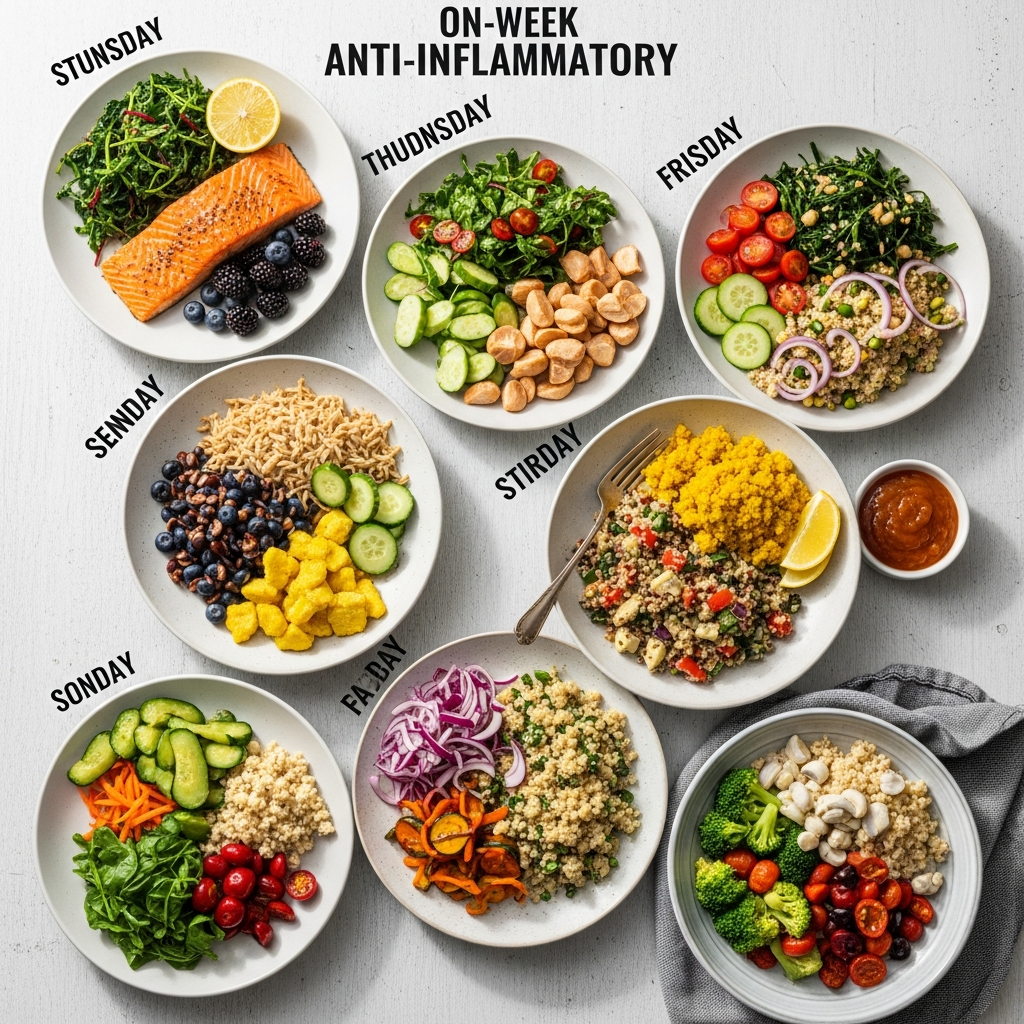
Here’s a taste of what a week on your anti-inflammatory diet might look like. Remember, this is a template; feel free to swap meals and ingredients based on your preferences and seasonal availability.
| Meal | Monday | Tuesday | Wednesday | Thursday | Friday | Saturday | Sunday |
| Breakfast | Oatmeal with berries and flax seeds | Spinach and mushroom omelet | Quinoa porridge with sliced apple, cinnamon | Smoothie: Spinach, banana, chia, almond milk | Scrambled eggs with avocado and tomatoes | Gluten-free toast with avocado and everything bagel seasoning | Leftover frittata from Sunday night |
| Lunch | Large salad with grilled chicken, olive oil vinaigrette | Lentil soup with whole-grain crackers | Leftover roasted salmon with quinoa and greens | Turkey and veggie lettuce wraps | Black bean burger (no bun) with side salad | Tuna salad (with olive oil mayo) on cucumber slices | Large mixed greens salad with chickpeas and grilled shrimp |
| Dinner | Baked salmon with roasted broccoli | Chicken and vegetable stir-fry (brown rice) | Turkey meatballs with zucchini noodles & marinara | Lentil shepherd’s pie (sweet potato topping) | Chicken or fish tacos (corn tortillas, salsa, slaw) | Baked cod with asparagus and wild rice | Frittata with various vegetables |
| Snacks | Apple with almond butter | Handful of walnuts | Carrots with hummus | Pear | Orange | Small handful of almonds | Greek yogurt (plain) with berries |
* Note: Adjust portion sizes based on your individual needs and activity level.*
Beyond the Plate: Lifestyle Habits for Reduced Inflammation
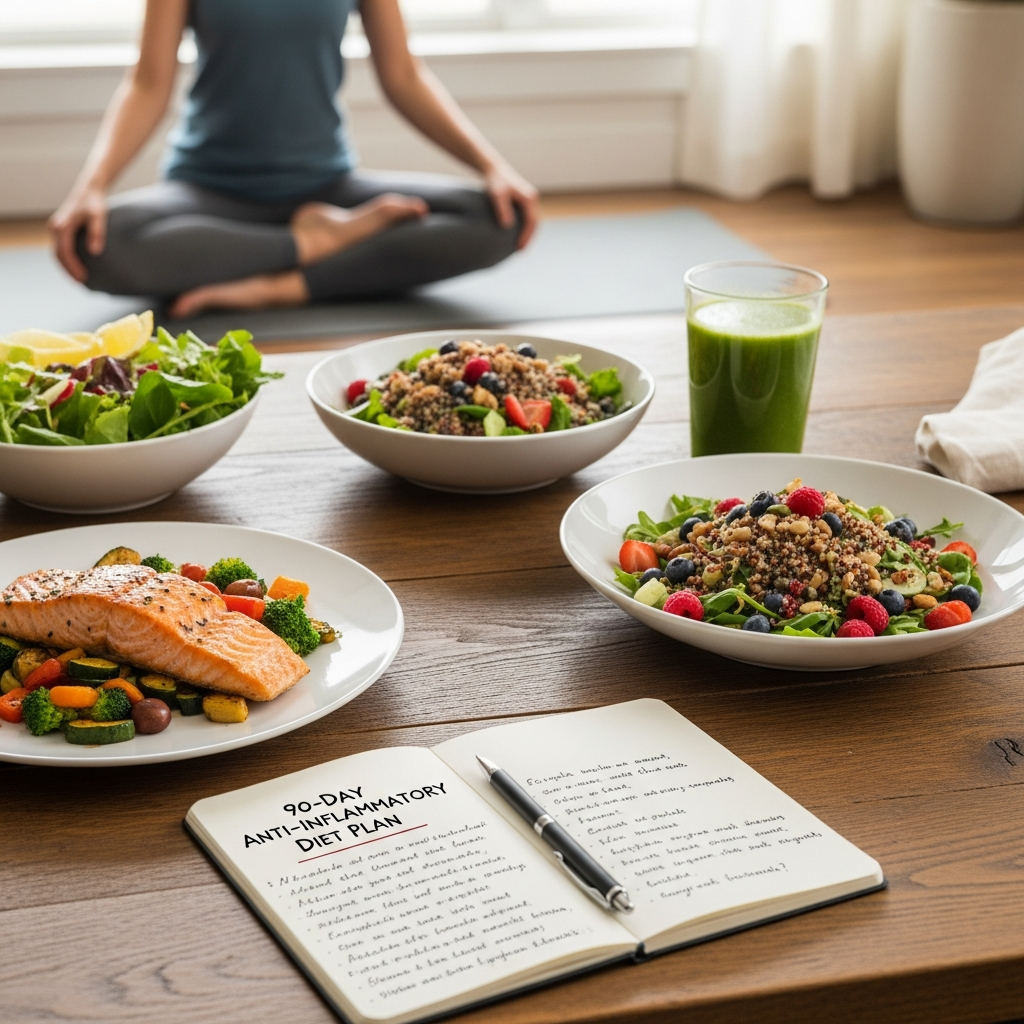
While diet is a cornerstone, it’s part of a larger picture. Supporting habits amplify your progress and contribute to overall well-being.
Regular Movement
You don’t need to become an elite athlete, but consistent, gentle movement is crucial. It helps reduce stress, improves circulation, and keeps your lymphatic system healthy.
* Aim for 30 minutes of brisk walking most days.
* Try yoga, swimming, or cycling.
* Listen to your body and choose activities that feel good.
Stress Management
Chronic stress triggers a pro-inflammatory response in your body. Learning to manage it is just as important as choosing healthy foods.
* Practice deep breathing exercises for a few minutes daily.
* Incorporate meditation or mindfulness into your routine.
* Spend time in nature.
* Engage in hobbies you enjoy.
Quality Sleep
Your body does its most important repair and recovery work while you sleep. Lack of sleep can increase inflammation.
* Aim for 7-9 hours of uninterrupted sleep each night.
* Create a consistent sleep schedule, even on weekends.
* Make your bedroom dark, quiet, and cool.
* Limit screen time before bed.
Hydration
Water is vital for almost every bodily function, including flushing out toxins and supporting healthy cellular activity.
* Drink plenty of pure water throughout the day.
* Herbal teas are also good options.
* Limit sugary drinks and excessive caffeine.
Staying on Track: Mindset and Consistency

Embarking on a 90-day plan requires dedication, but it doesn’t have to be overwhelming. A positive mindset and practical strategies will keep you going.
Set Realistic Expectations
Understand that this is a journey, not a sprint. There will be good days and challenging days. Progress is often gradual, so celebrate small victories.
Plan Ahead
Failing to plan is planning to fail, especially with dietary changes. Dedicate time each week to grocery shopping, meal planning, and some batch cooking. This reduces stress and keeps healthy options readily available.
Be Kind to Yourself
Perfection is not the goal. If you have a slip-up, don’t let it derail your entire effort. Acknowledge it, learn from it, and get right back on track with your next meal. Self-compassion is key to long-term success.
Find Your Support System
Share your goals with a friend, family member, or join an online community. Having people who understand and encourage you can make a huge difference, especially during challenging moments.
Listen to Your Body
Pay attention to how different foods make you feel. Your body is constantly providing feedback. Learn to interpret its signals—this personalized knowledge is incredibly powerful for lasting results.