
Are you tired of quick-fix diets that leave you hungry and frustrated? Losing fat doesn’t have to mean endless deprivation or complicated calorie counting. Sometimes, a simple, effective approach focusing on the right nutrients can make all the difference.
That’s where a high-protein meal plan comes in. Protein is an incredibly powerful tool in your fat loss journey, helping you feel full, preserve muscle, and even boost your metabolism. It’s about fueling your body intelligently, not starving it.
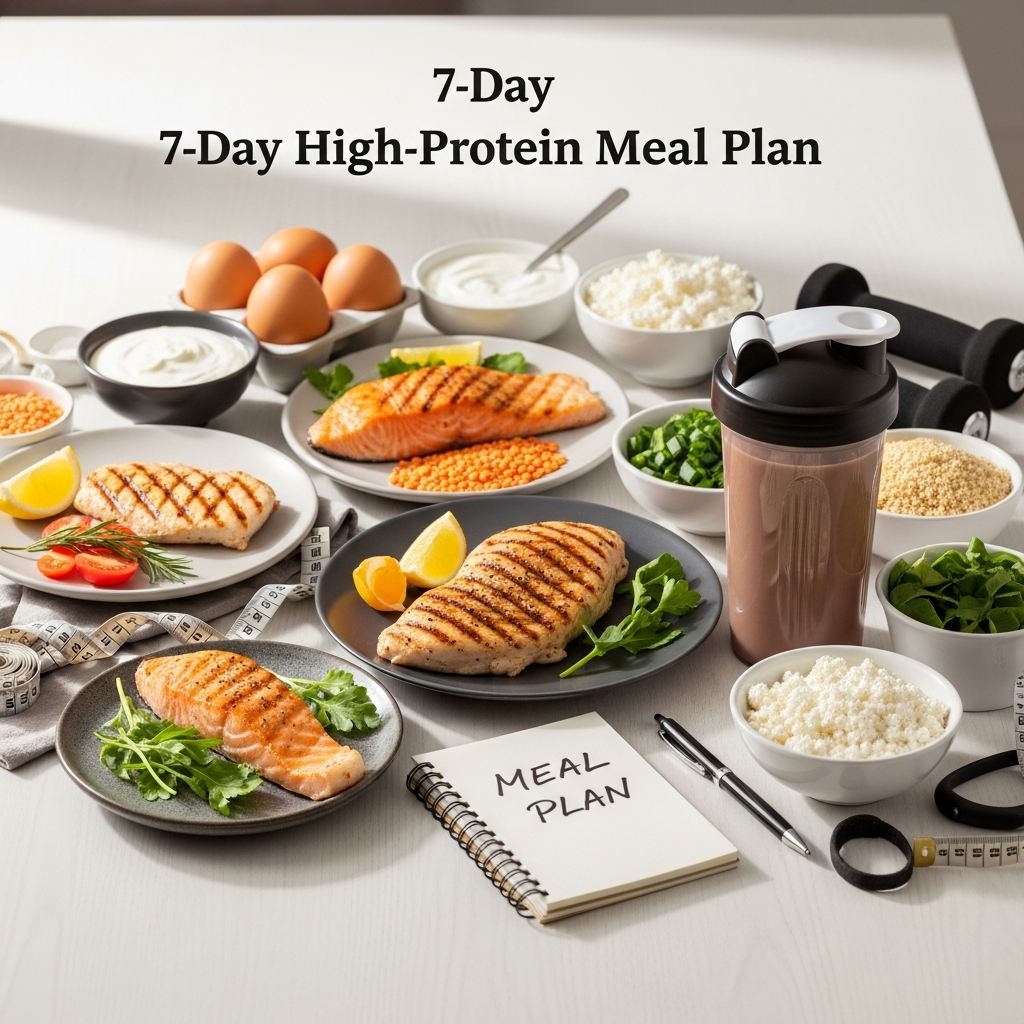
This article will guide you through a practical, easy-to-follow 7-day high-protein meal plan designed to kickstart your fat loss. We’ll explore why protein works, provide delicious meal ideas for a full week, and share essential tips for building sustainable healthy habits. Get ready to nourish your body, feel more energized, and take a significant step towards your fat loss goals.
Why Protein is Your Secret Weapon for Fat Loss
Protein isn’t just for bodybuilders. For anyone looking to lose fat effectively and sustainably, it’s a game-changer. Here’s why making protein a priority in your diet is so beneficial:
Keeps You Feeling Full Longer
One of the biggest struggles with fat loss is hunger. Protein is fantastic at making you feel satisfied. It affects satiety hormones in your body, sending signals to your brain that you’re full, which helps reduce overall calorie intake naturally.
When you’re full, you’re less likely to reach for unhealthy snacks or overeat at your next meal. This lasting fullness is crucial for sticking to your plan without feeling deprived.
Boosts Your Metabolism
Did you know that your body uses more energy to digest and metabolize protein compared to fats or carbohydrates? This is called the Thermic Effect of Food (TEF). A higher protein intake means a slightly higher energy expenditure throughout the day.
While it’s not a magic bullet, this small metabolic boost adds up over time. It contributes to creating the calorie deficit needed for fat loss, making your efforts more efficient.
Protects Your Muscles
When you lose weight, you want to ensure you’re losing fat, not valuable muscle. Muscle tissue is metabolically active, meaning it burns more calories even at rest than fat tissue does.
A high-protein diet helps preserve your lean muscle mass while you’re in a calorie deficit. This is vital for maintaining a healthy metabolism and a strong, toned physique as you lose weight.
Curbs Cravings
Uncontrolled cravings can derail even the best intentions. Protein helps stabilize blood sugar levels, preventing the sharp spikes and crashes that often lead to intense cravings for sugary or high-fat foods.
By keeping your blood sugar steady and your stomach full, protein empowers you to make healthier food choices and resist those tempting snacks. It creates a sense of calm and control around food.
Important Foundations Before You Start
Before diving into the meal plan, let’s lay down some essential groundwork. These simple principles will help you get the most out of your high-protein journey and support your overall health.
Talk to Your Doctor
Always a good idea, especially if you have any underlying health conditions or are on medication. A quick chat with your doctor ensures this plan is safe and appropriate for your individual needs. They can offer personalized advice.
Hydration is Key
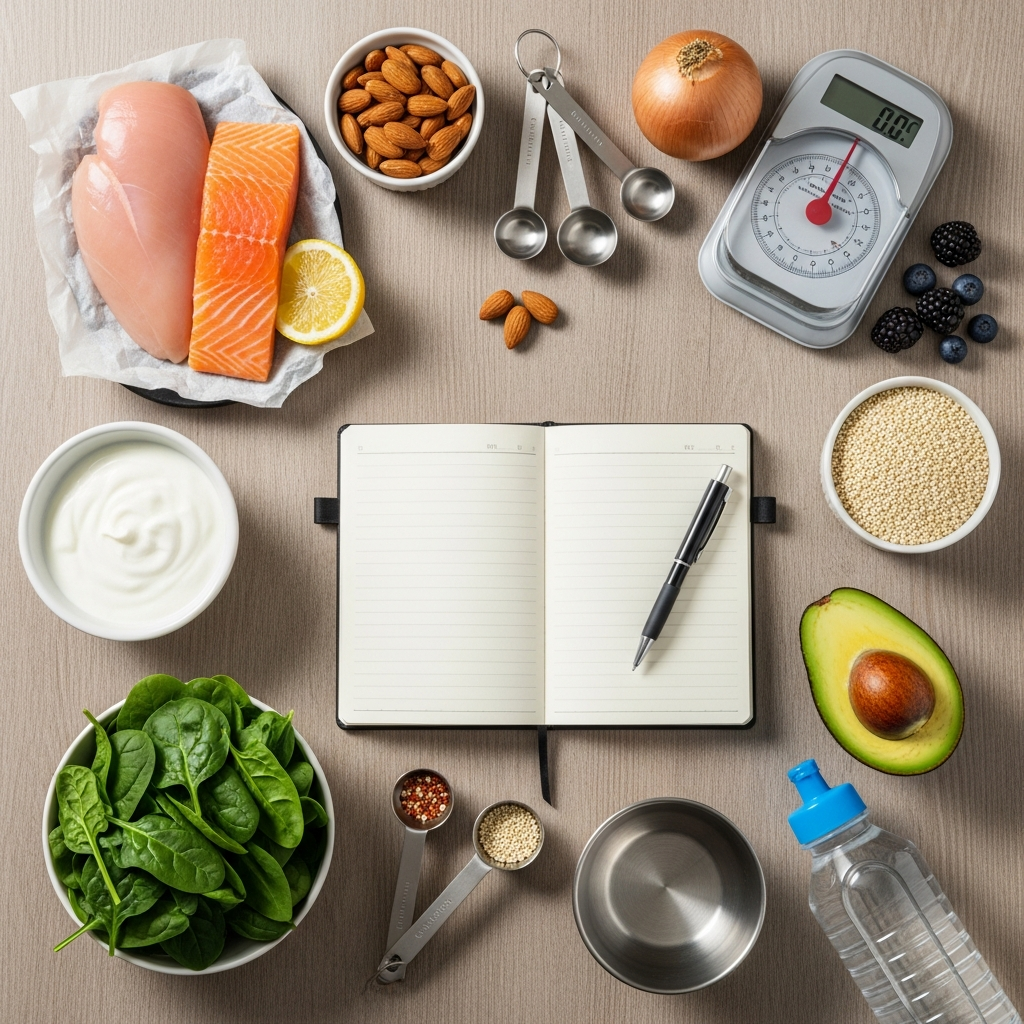
Don’t underestimate the power of water. Drinking plenty of water throughout the day is crucial for metabolism, digestion, and overall health. Sometimes, what feels like hunger is actually just thirst.
Aim for at least 8 glasses of water daily, and even more if you’re active. Carry a water bottle with you to make it easy to sip throughout the day.
Portion Sizes Matter
While protein helps with satiety, it’s still possible to overeat if portions are too large. This plan focuses on healthy, balanced meals, but always be mindful of your serving sizes.
A simple rule of thumb for protein: a serving is roughly the size of your palm. For vegetables, aim for at least half your plate. This visual guide can be very helpful.
Listen to Your Body
This meal plan is a template, not a rigid prison. Pay attention to your hunger and fullness cues. If you’re truly hungry between meals, opt for a small, protein-rich snack. If you’re full, don’t force yourself to finish everything.
Learn to distinguish between physical hunger and emotional eating. This awareness is a powerful tool for sustainable fat loss.
Quality Over Quantity
Focus on lean, high-quality protein sources and whole, unprocessed foods. While the plan emphasizes protein, ensure you’re also getting plenty of fiber from vegetables and healthy fats from sources like avocados and nuts.
Choosing nutrient-dense foods means your body gets the vitamins and minerals it needs, which contributes to better energy and overall well-being.
Understanding Your Plate: High-Protein Components
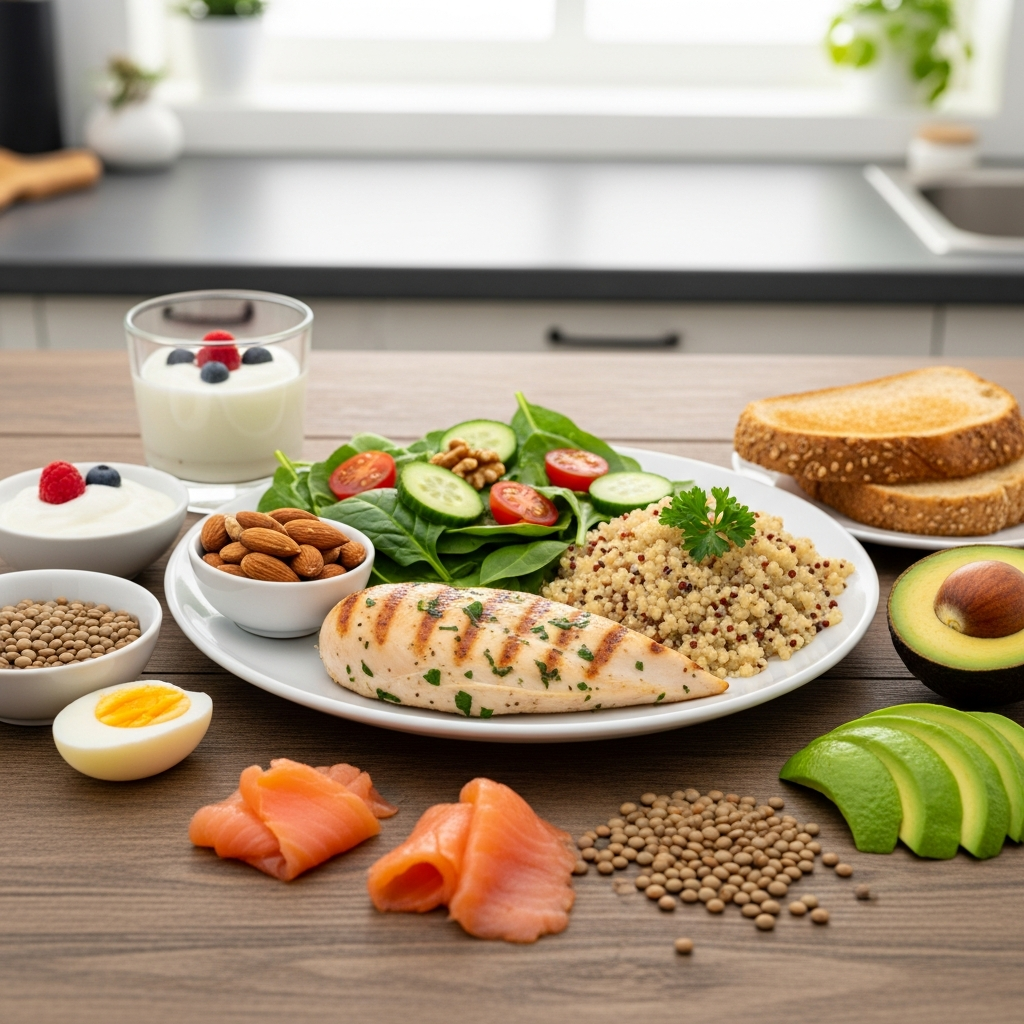
To make your high-protein journey enjoyable and effective, it’s good to know which foods will become your new best friends. Here’s a breakdown of the key components of a balanced, fat-loss friendly plate.
Lean Protein Sources
These are the stars of your plan. They provide essential amino acids without excess saturated fat.
* Chicken Breast/Turkey: Versatile and low in fat.
* Fish: Salmon, cod, tuna, tilapia – rich in omega-3s (salmon).
* Lean Beef/Pork: Choose cuts like sirloin or tenderloin, trim visible fat.
* Eggs: A complete protein, great for any meal.
* Greek Yogurt/Cottage Cheese: Dairy options packed with protein and often probiotics.
* Tofu/Tempeh/Edamame: Excellent plant-based protein choices.
* Lentils/Beans/Chickpeas: Also provide fiber and complex carbs, great for plant-focused meals.
Complex Carbohydrates
These provide sustained energy, fiber, and important nutrients, without the blood sugar spikes of simple carbs.
* Oats: Great for breakfast, provide soluble fiber.
* Brown Rice/Quinoa: Excellent side dishes, quinoa is also a complete protein.
* Sweet Potatoes: Nutrient-dense and delicious.
* Whole-Grain Bread/Wraps: Choose varieties with minimal added sugars.
Healthy Fats
Essential for hormone production, nutrient absorption, and satiety. Enjoy in moderation.
* Avocado: Creamy and full of monounsaturated fats.
* Nuts and Seeds: Almonds, walnuts, chia seeds, flax seeds – portion control is key.
* Olive Oil: Great for cooking and salad dressings.
Plenty of Vegetables
Load up on non-starchy vegetables at every meal. They are low in calories, high in fiber, vitamins, and minerals.
* Leafy Greens: Spinach, kale, mixed greens.
* Cruciferous Veggies: Broccoli, cauliflower, Brussels sprouts.
* Other Veggies: Bell peppers, zucchini, carrots, cucumbers.
Your 7-Day High-Protein Meal Plan for Fat Loss
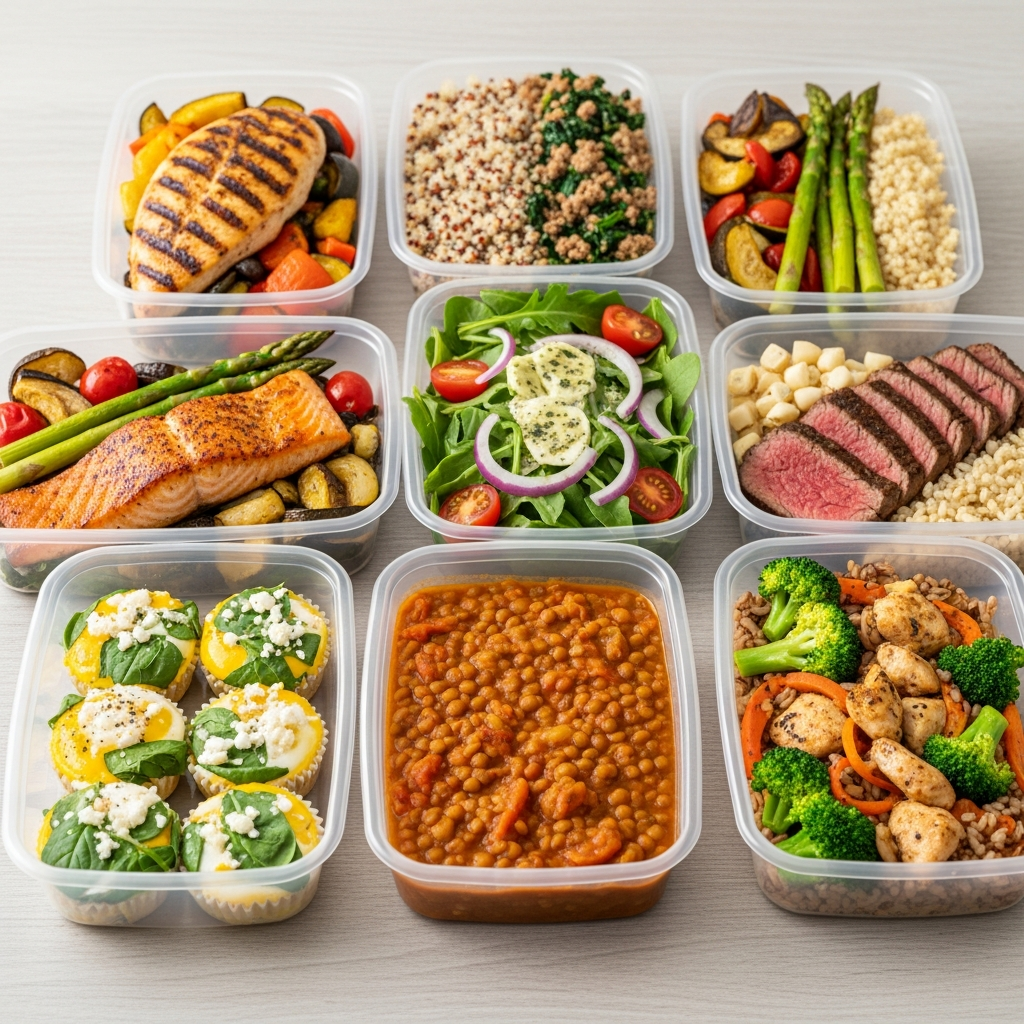
This plan provides a blueprint for a week of delicious, high-protein meals. Remember, this is a guide. Feel free to swap meals between days or substitute ingredients based on your preferences, as long as you maintain similar protein and nutrient profiles.
A Quick Note on Flexibility
If you don’t like a specific food, simply swap it for another lean protein source or healthy vegetable. Batch cooking some of your protein (like chicken breast or hard-boiled eggs) at the start of the week can save you time and make adherence easier.
Day 1: Kickstarting Your Week
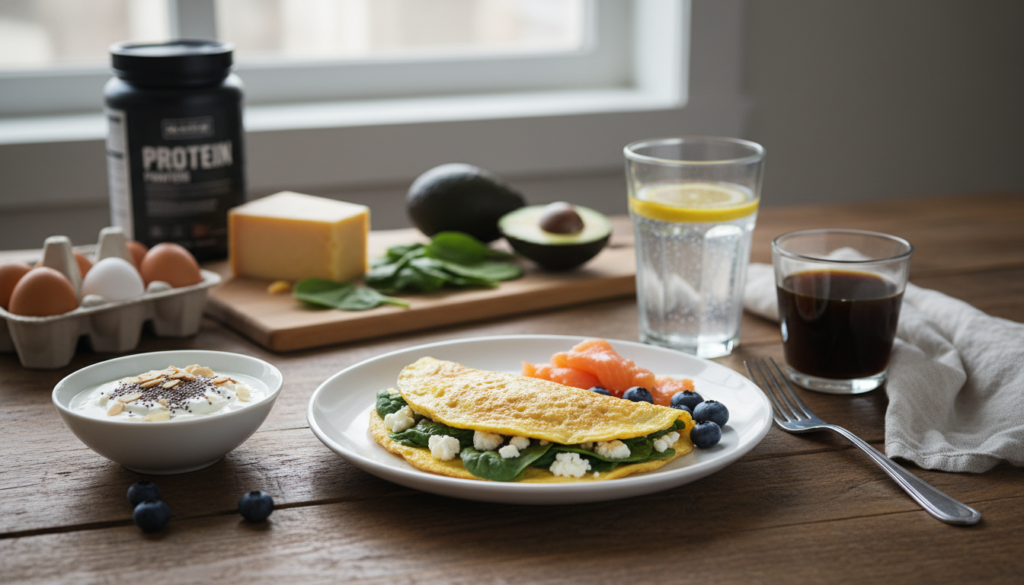
* Breakfast: Greek yogurt (1 cup, plain, unsweetened) with 1/2 cup mixed berries and a small handful (10-12) almonds.
* Lunch: Large mixed green salad with 4-5 oz grilled chicken breast, 1/2 cup chopped cucumbers, bell peppers, and a light vinaigrette.
* Dinner: 5-6 oz baked salmon with 1 cup steamed broccoli and 1/2 cup cooked quinoa.
* Snack: 1 hard-boiled egg.
Day 2: Lean and Green
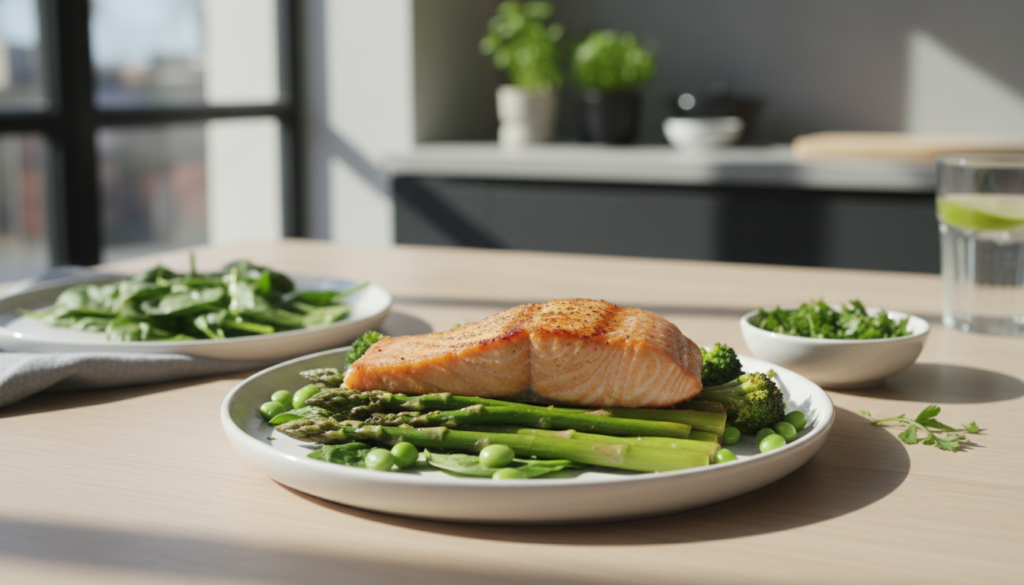
* Breakfast: Scrambled eggs (2 whole, 2 whites) with 1 cup spinach and 1 slice whole-wheat toast.
* Lunch: Turkey and veggie wrap: 4 oz sliced turkey breast, lettuce, tomato, cucumber, bell pepper in a whole-wheat tortilla with a smear of hummus.
* Dinner: Lean ground beef (4-5 oz) stir-fry with 2 cups mixed vegetables (broccoli, snap peas, carrots) and a light soy sauce or tamari dressing (no added sugar).
* Snack: 1/2 cup cottage cheese.
Day 3: Plant-Powered & Protein-Rich
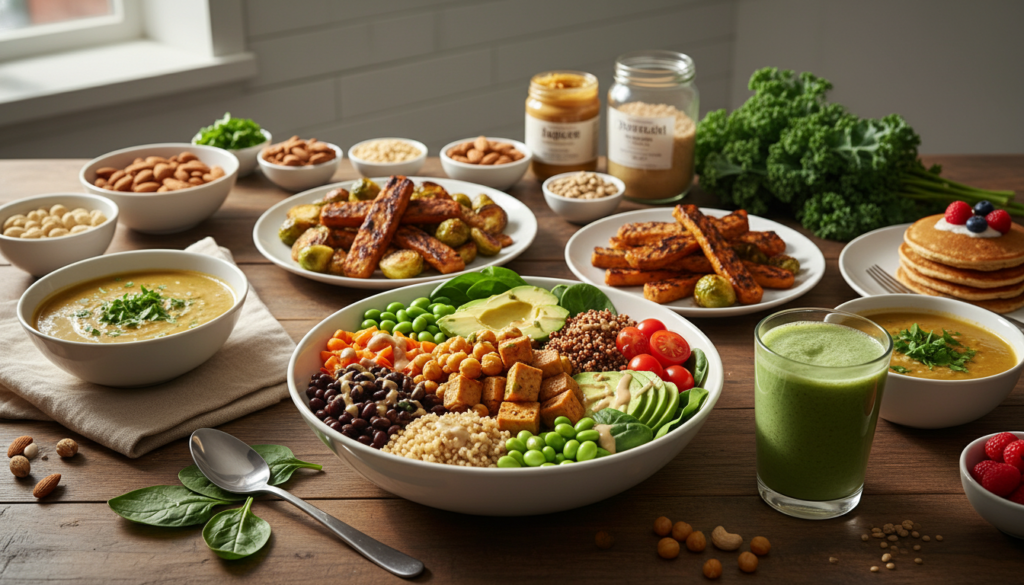
* Breakfast: Protein smoothie: 1 scoop protein powder, 1 cup unsweetened almond milk, 1/2 banana, 1 cup spinach, 1 tbsp chia seeds.
* Lunch: Hearty lentil soup (1.5 cups) with a small side salad.
* Dinner: Tofu (5 oz, firm, baked or stir-fried) with 1 cup mixed roasted vegetables (zucchini, bell peppers, onion) and 1/2 cup brown rice.
* Snack: Small handful (15-20) walnuts.
Day 4: Mid-Week Recharge
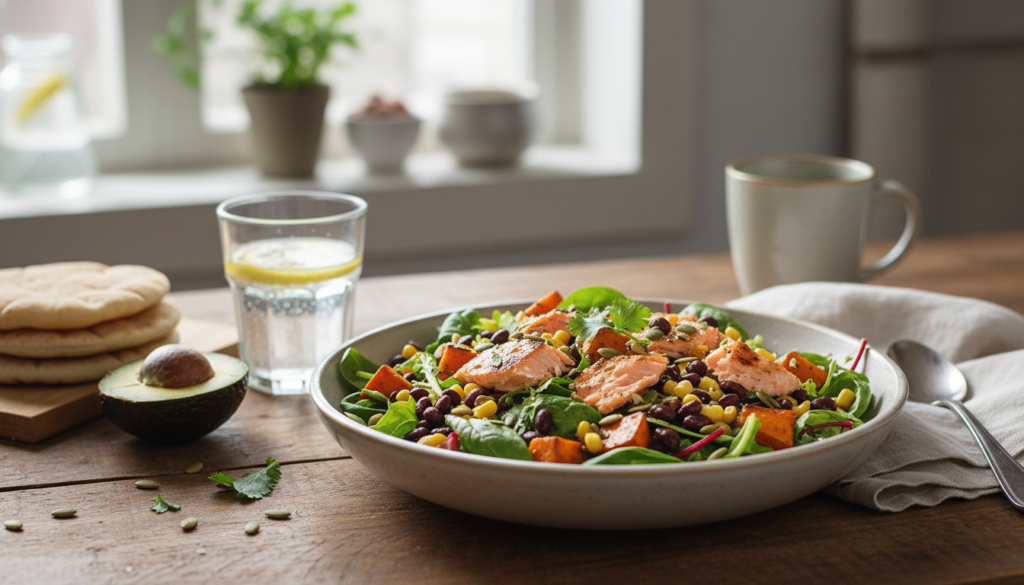
* Breakfast: 1 cup cottage cheese with 1/2 cup sliced peaches (fresh or canned in water, no sugar added).
* Lunch: Leftover tofu and roasted vegetables from Day 3.
* Dinner: 5 oz chicken breast (baked or grilled) with 1 medium roasted sweet potato and 1 cup steamed asparagus.
* Snack: 1 apple with 1 tbsp natural peanut butter.
Day 5: Seafood Friday
* Breakfast: Oatmeal (1/2 cup dry oats cooked with water) mixed with 1 scoop protein powder and 1/2 cup berries.
* Lunch: Tuna salad (made with 1/4 cup plain Greek yogurt instead of mayo, 5 oz tuna) served on large lettuce leaves with sliced tomatoes and cucumbers.
* Dinner: 5 oz baked cod fillets with 1 cup green beans and a small baked potato (no butter or sour cream, add herbs instead).
* Snack: 2 rice cakes with 2 tbsp hummus.
Day 6: Weekend Warrior Fuel
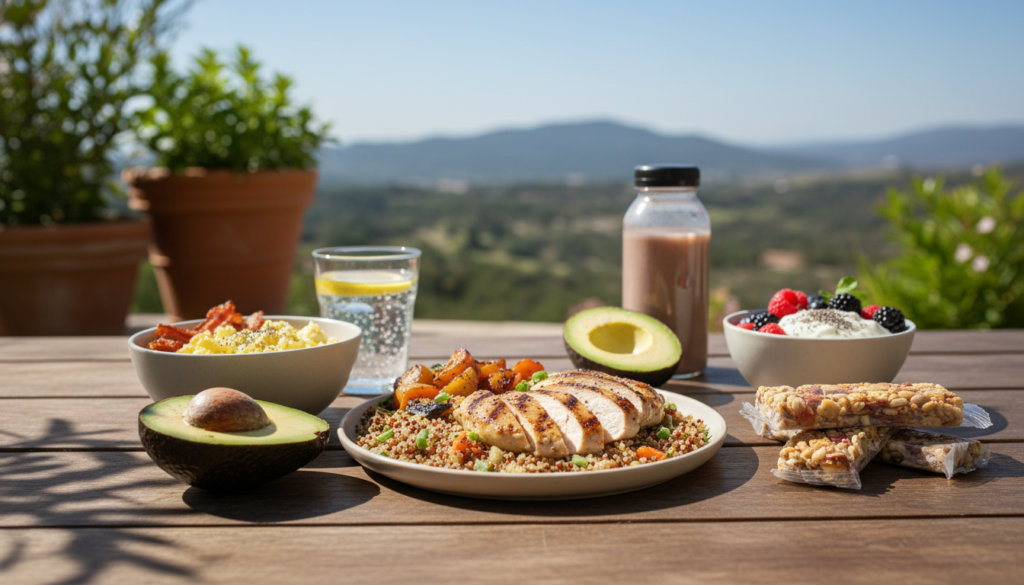
* Breakfast: Protein pancakes (made with 1 scoop protein powder, egg whites, and a little whole-wheat flour) topped with a handful of berries and sugar-free syrup.
* Lunch: Chicken and vegetable skewers (4 oz chicken, bell peppers, onions, cherry tomatoes) grilled, served with a side of mixed greens.
* Dinner: Lean chili con carne (1.5 cups, made with lean ground turkey or beef, beans, tomatoes, spices) – no cheese or sour cream topping.
* Snack: 1 cup edamame in pods.
Day 7: Reflect and Refuel

* Breakfast: Veggie omelet (3 egg whites, 1 whole egg) with 1/2 cup chopped bell peppers, onions, and mushrooms, served with 1 slice whole-grain toast.
* Lunch: Large mixed green salad with 4 oz grilled shrimp or chickpeas (1 cup) and a light lemon-tahini dressing.
* Dinner: 5 oz roasted turkey breast with 1 cup mixed roasted vegetables and a small serving (1/2 cup) of quinoa.
* Snack: Small handful (10-12) almonds.
Beyond the Plate: Habits for Sustainable Fat Loss
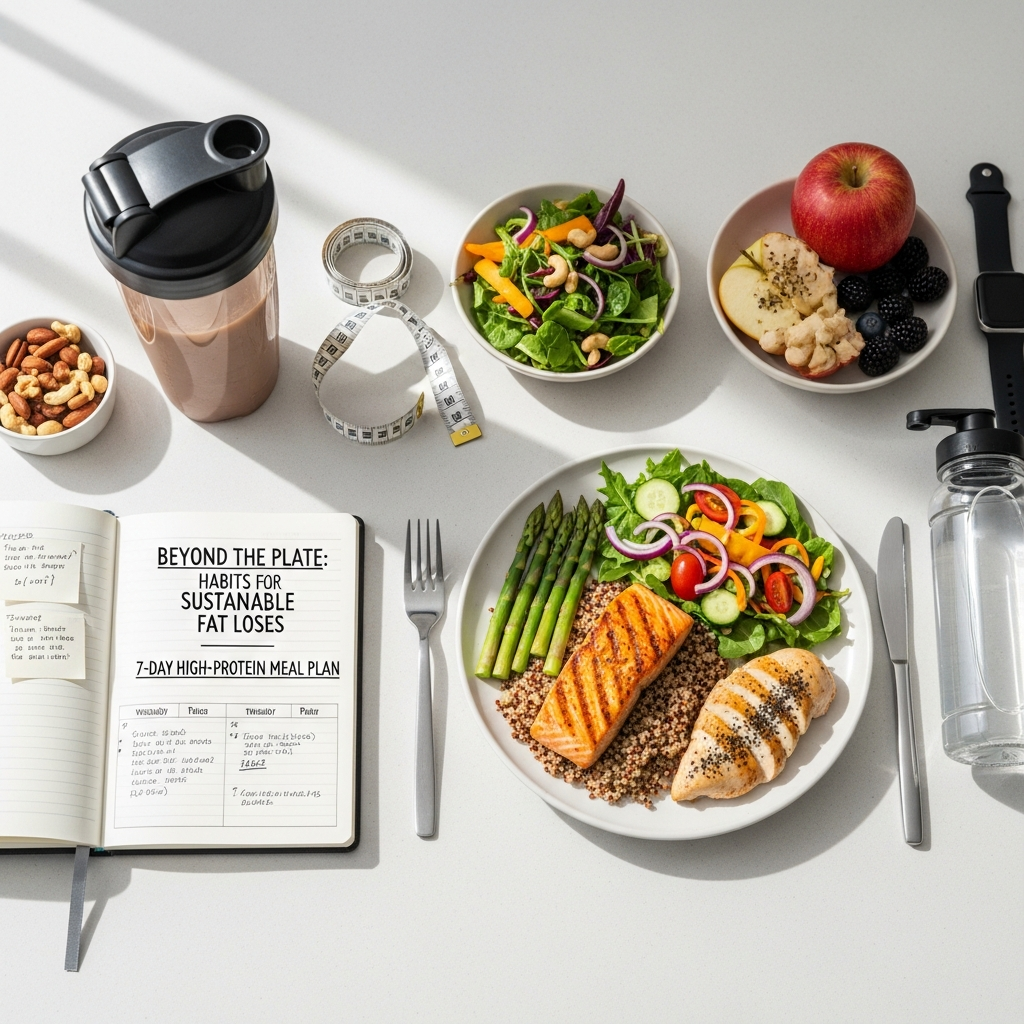
While nutrition is paramount, sustainable fat loss is a holistic journey. Incorporating these simple habits into your daily routine will amplify your efforts and improve your overall well-being.
Stay Active
Movement supports fat loss by burning calories and building muscle. You don’t need to live in the gym, but regular activity helps.
* Strength Training: Aim for 2-3 sessions a week to build and preserve muscle.
* Cardio: Enjoy activities like walking, jogging, cycling, or swimming for 30 minutes most days.
* Move More: Take the stairs, park further away, go for a walk during breaks. Every bit counts.
Prioritize Sleep
Sleep is often overlooked but crucial for fat loss. Lack of sleep can disrupt hormones that regulate hunger (ghrelin) and fullness (leptin), making you feel hungrier and crave unhealthy foods.
Aim for 7-9 hours of quality sleep each night. Create a relaxing bedtime routine to help you wind down.
Manage Stress
Chronic stress can lead to elevated cortisol levels, which can encourage fat storage, especially around the belly. Finding ways to manage stress is vital.
* Deep Breathing: Simple exercises can calm your nervous system.
* Mindfulness: Practice meditation or just take a few moments to be present.
* Hobbies: Engage in activities you enjoy to relax and de-stress.
Plan Ahead
Failing to plan is planning to fail, especially with nutrition. Spending a little time preparing can save you a lot of trouble (and unhealthy choices) later.
* Grocery List: Plan your meals for the week and create a detailed shopping list.
* Meal Prep: Cook larger batches of protein or chop vegetables ahead of time.
* Healthy Snacks: Keep portioned healthy snacks readily available.
Track Your Progress (Gently)
The scale isn’t the only measure of success. While it can be a tool, also look at other indicators.
* How Your Clothes Fit: Often a more accurate reflection of body composition changes.
* Energy Levels: Are you feeling more vibrant and energetic?
* Mood: Are you feeling more positive and confident?
* Measurements: Taking body measurements can show progress even if the scale doesn’t budge much.
Sticking With It: Mindset and Consistency
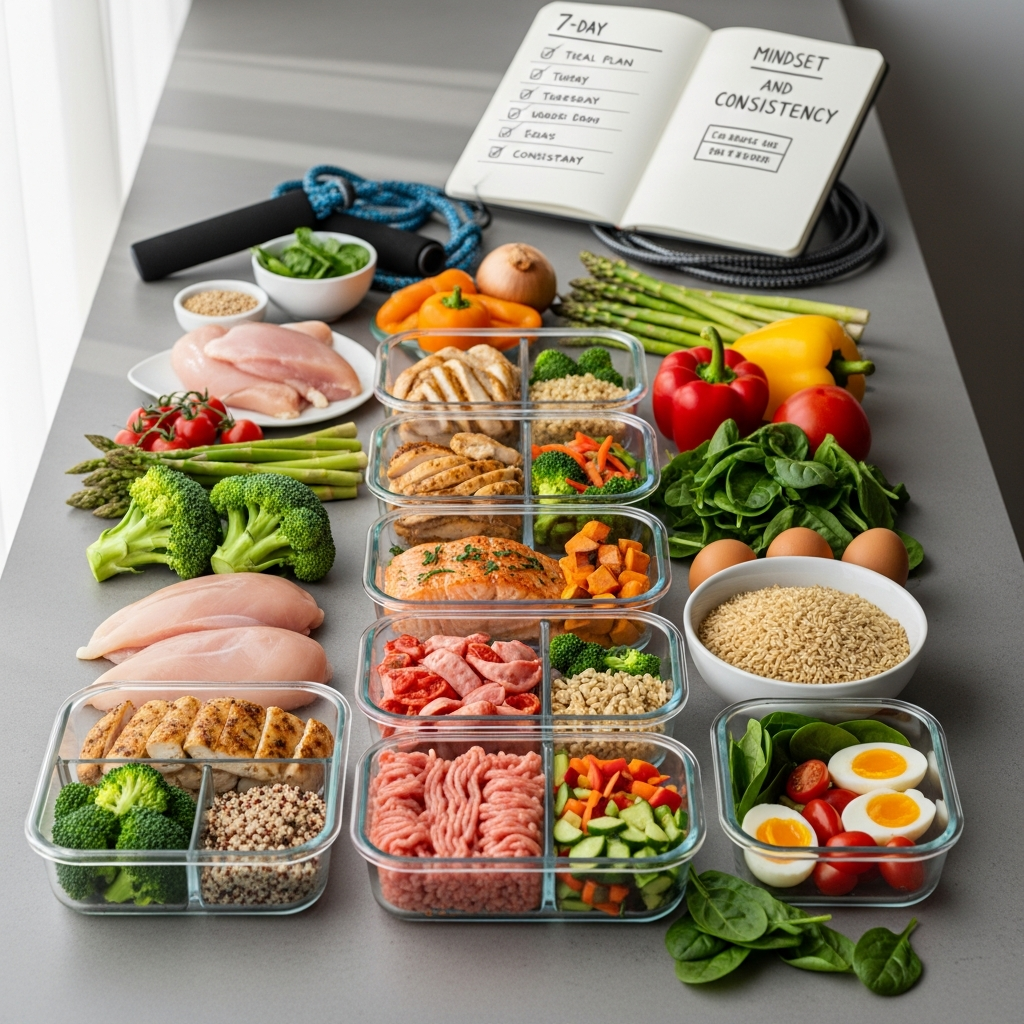
The 7-day plan is a great start, but fat loss is a journey that requires mental fortitude and consistent effort. Here’s how to cultivate a mindset that supports lasting change.
Be Patient and Kind to Yourself
Fat loss doesn’t happen overnight, and it’s rarely a straight line. There will be good days and challenging days. Don’t beat yourself up over a slip-up; simply acknowledge it and get back on track with your next meal.
Treat yourself with the same compassion you would offer a friend. This journey is about progress, not perfection.
Small Changes Add Up
You don’t need to overhaul your entire life at once. Focus on making one or two small, manageable changes each week. Maybe it’s adding a protein source to every meal, or drinking an extra glass of water.
These small, consistent actions build momentum and create lasting habits far more effectively than drastic, unsustainable changes.
Find Your “Why”
Why do you want to lose fat? Is it for better health, more energy, to play with your kids, or to feel confident? Connect with that deeper reason.
When motivation wanes, reminding yourself of your “why” can provide the strength and resolve to stay committed to your goals.
Build a Support System
You don’t have to do this alone. Share your goals with a trusted friend, family member, or join an online community. Having people who understand and encourage you can make a huge difference.
Accountability and encouragement from others can be powerful motivators when you’re feeling challenged.
Learn from Slip-Ups
Everyone has moments where they go off track. The key isn’t to avoid them entirely, but to learn from them. What triggered the slip-up? Was it stress, boredom, or a social situation?
Analyze, adjust, and move forward. A single meal or day doesn’t define your entire journey. Get right back to your plan with the next meal.