

Adopting a gluten-free lifestyle is often perceived as an expensive endeavor, but with strategic planning and a focus on naturally gluten-free whole foods, it can be remarkably affordable. This comprehensive 30-day guide provides a structured approach to eating well without wheat, barley, or rye, while prioritizing budget-conscious ingredients like rice, beans, potatoes, and seasonal produce. By following this professional meal plan, you can enjoy nutritious, flavorful meals that support your health goals and your financial well-being.
Day 1: Kickoff with Hearty Oats
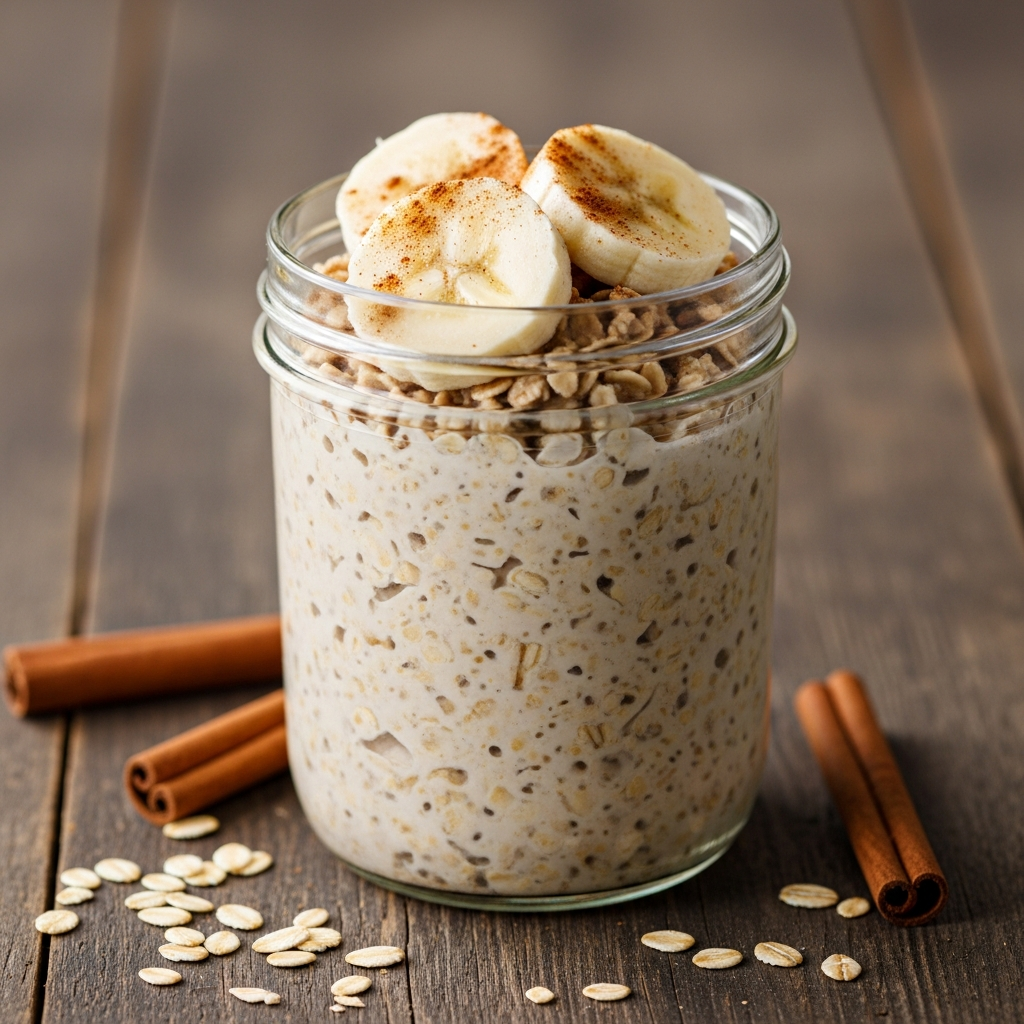
Start your journey with certified gluten-free overnight oats mixed with sliced bananas and a sprinkle of cinnamon. For lunch, enjoy a simple tuna salad served over a bed of spinach. Dinner consists of baked chicken thighs seasoned with salt and pepper, served alongside roasted carrots and brown rice. This day focuses on pantry staples that minimize initial costs.
Day 2: Plant Based Power
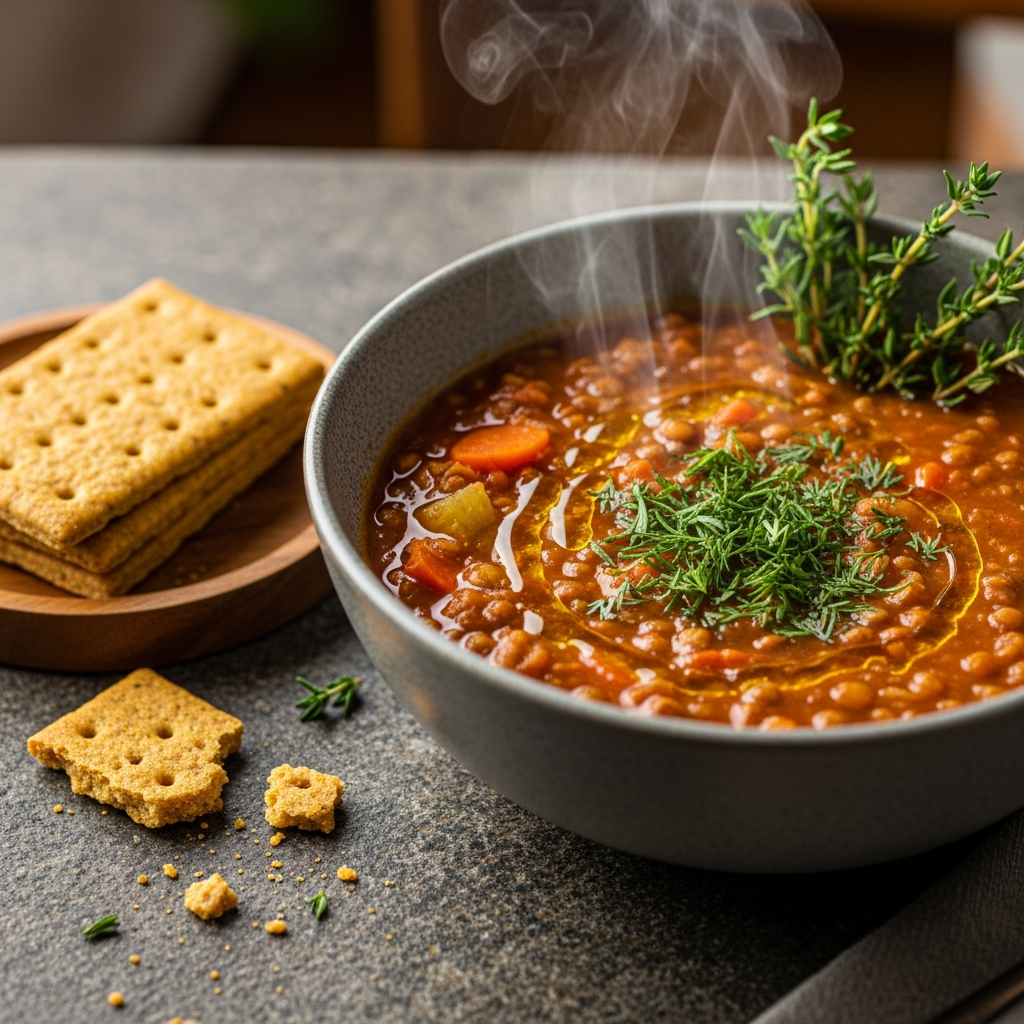
Breakfast features a vegetable omelet made with two eggs and sautéed bell peppers. Lunch is a refreshing quinoa salad with chickpeas, cucumbers, and a lemon-olive oil dressing. For dinner, prepare a hearty batch of lentil soup using dried lentils, onions, and celery. Lentils are an excellent, low-cost protein source for any gluten-free diet.
Day 3: Southwest Flavors
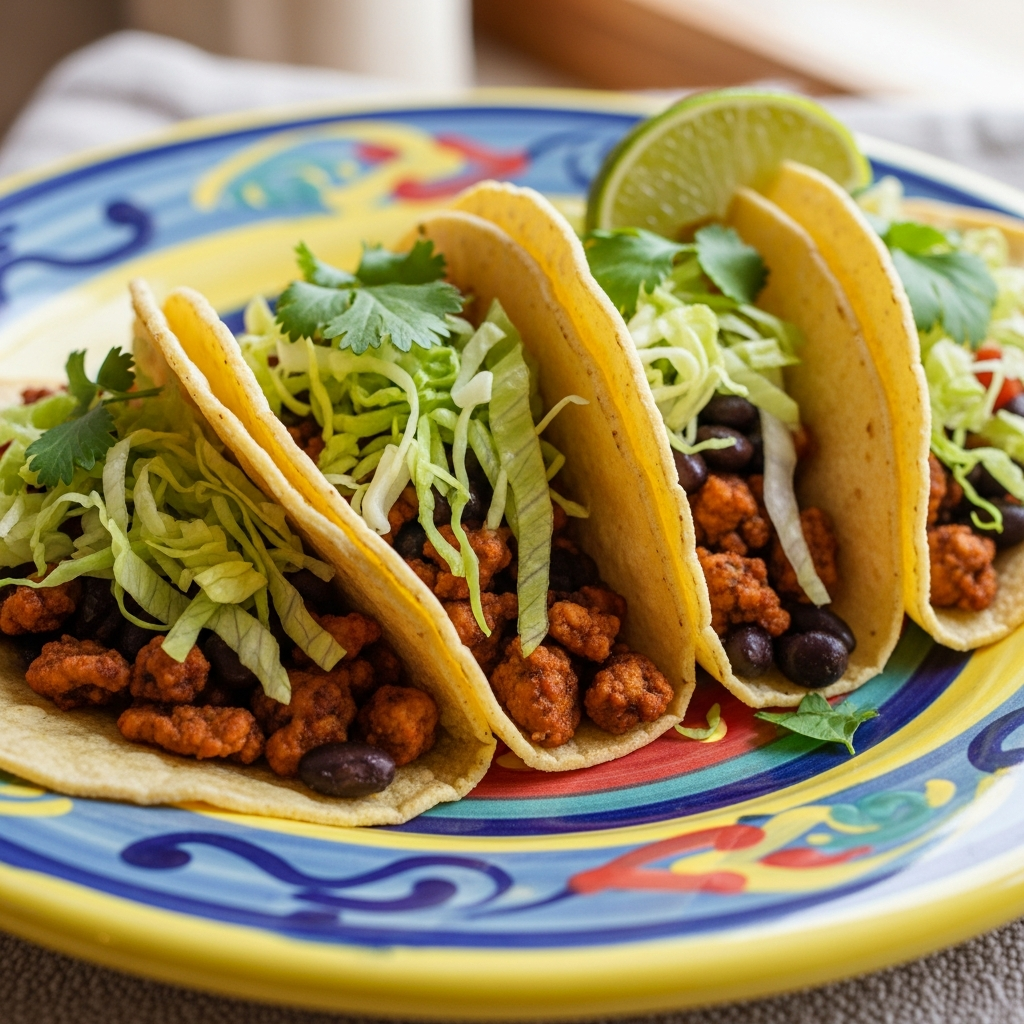
Enjoy corn tortillas with scrambled eggs and salsa for breakfast. Lunch utilizes leftover lentil soup from the previous night to reduce waste. For dinner, make ground turkey tacos using corn shells, shredded lettuce, and black beans. Using corn-based products is a cost-effective way to replace traditional flour tortillas.
Day 4: Mediterranean Inspiration
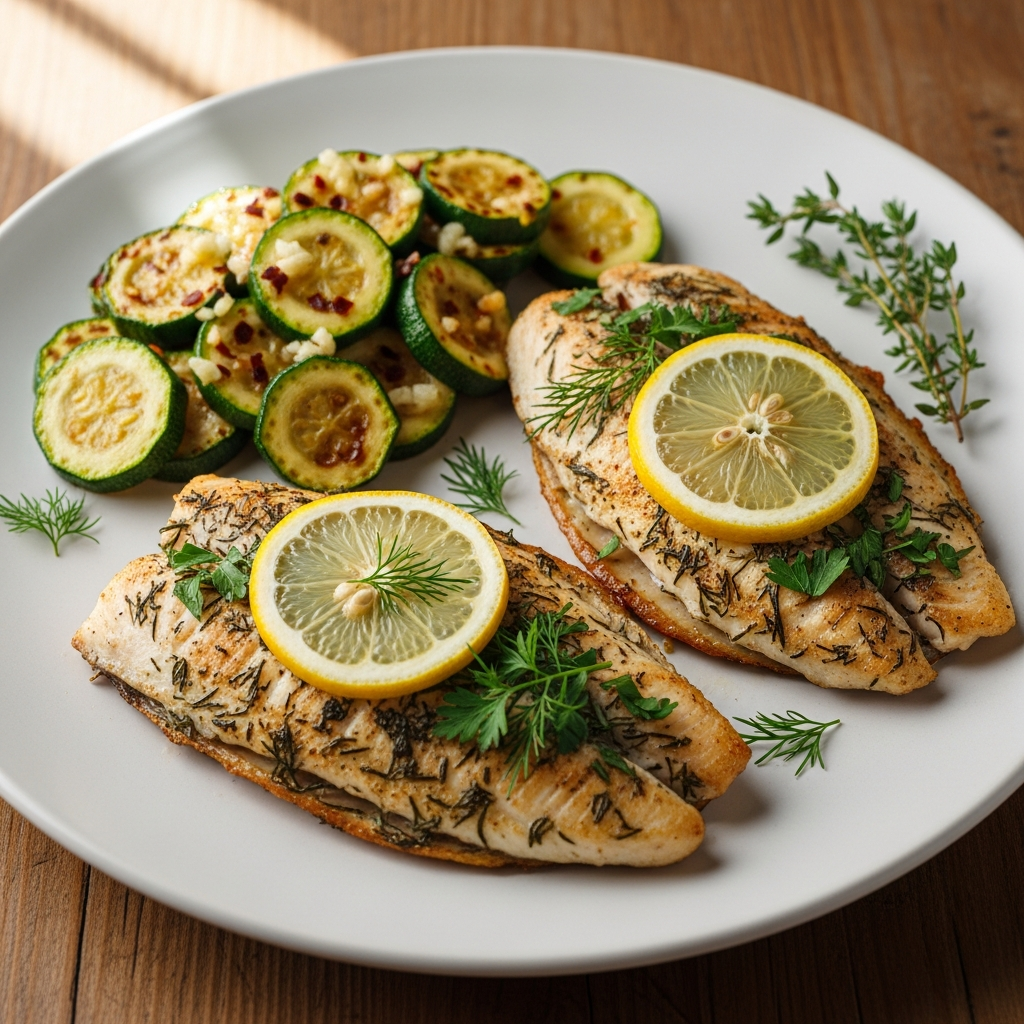
Breakfast is a bowl of Greek yogurt topped with a handful of sunflower seeds and honey. For lunch, assemble a Mediterranean plate with hard-boiled eggs, olives, and sliced cucumbers. Dinner features baked tilapia fillets served with a generous portion of sautéed zucchini and garlic. White fish like tilapia is often the most budget-friendly seafood option.
Day 5: Comfort Classics
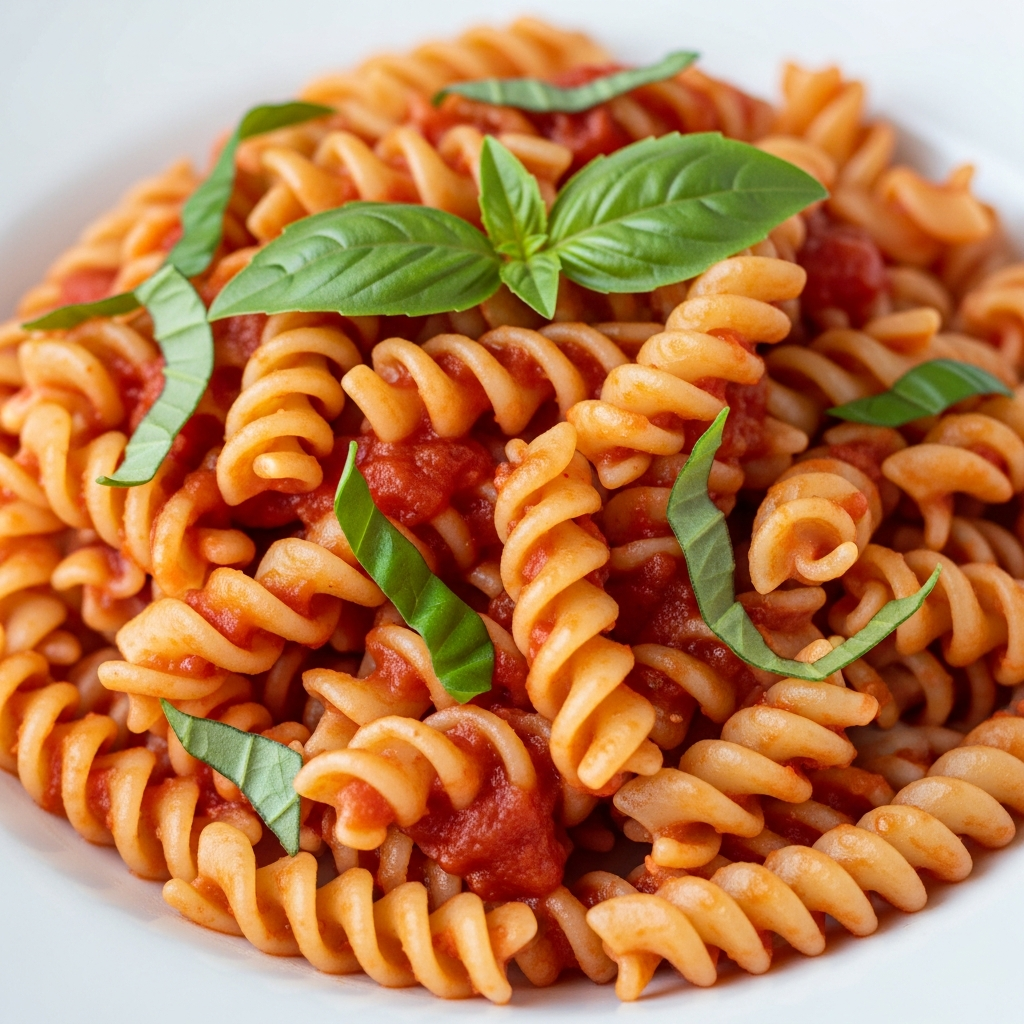
Begin the day with a smoothie made from frozen berries, spinach, and water or a milk alternative. Lunch is a baked sweet potato topped with black beans and salsa. Dinner consists of gluten-free pasta tossed with a simple marinara sauce and sautéed ground beef. Opting for store-brand gluten-free pasta can help maintain your budget.
Day 6: Asian Fusion
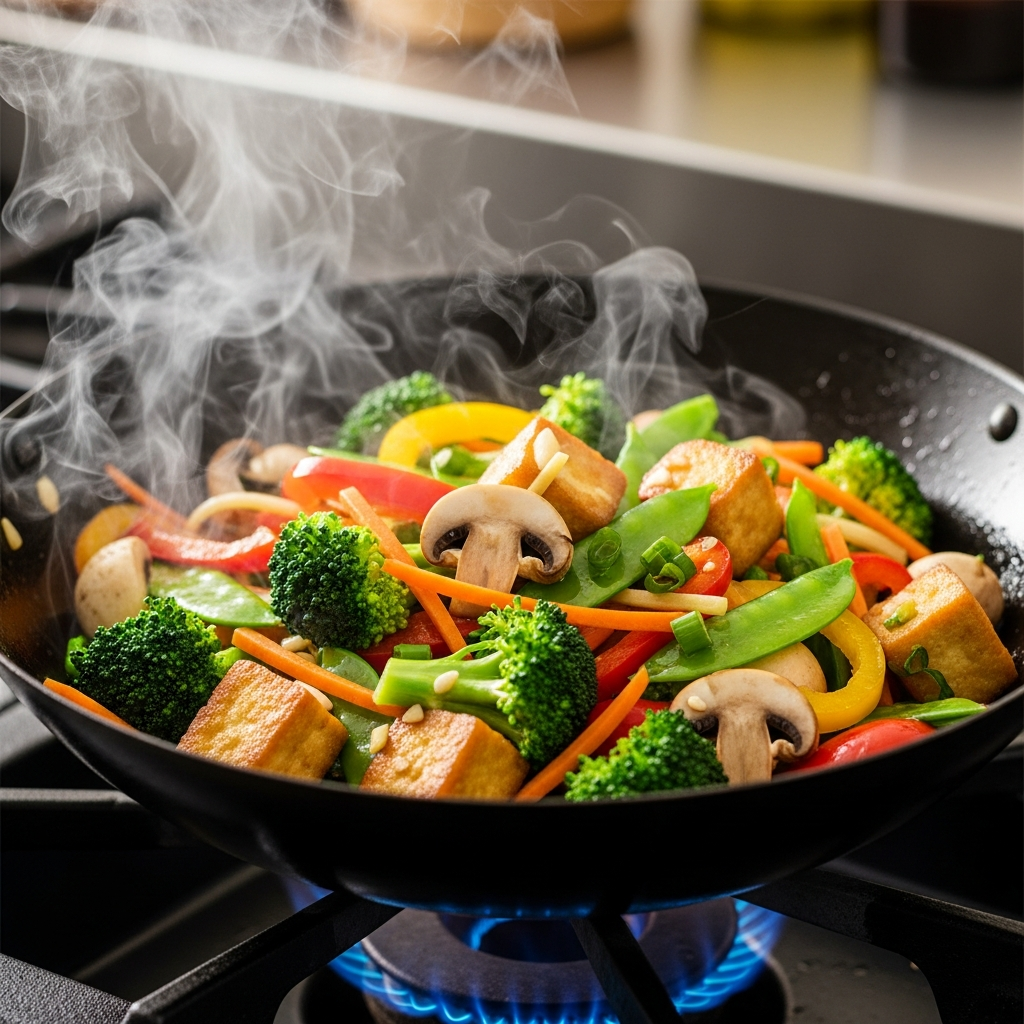
Rice cereal with milk and a sliced apple provides a quick breakfast. Lunch is a chicken and rice bowl using leftovers from Day 1. For dinner, prepare a vegetable stir-fry with tofu, broccoli, and carrots, seasoned with gluten-free tamari. Tamari is a vital budget-friendly substitute for traditional soy sauce.
Day 7: Weekend Brunch and Batch Cooking
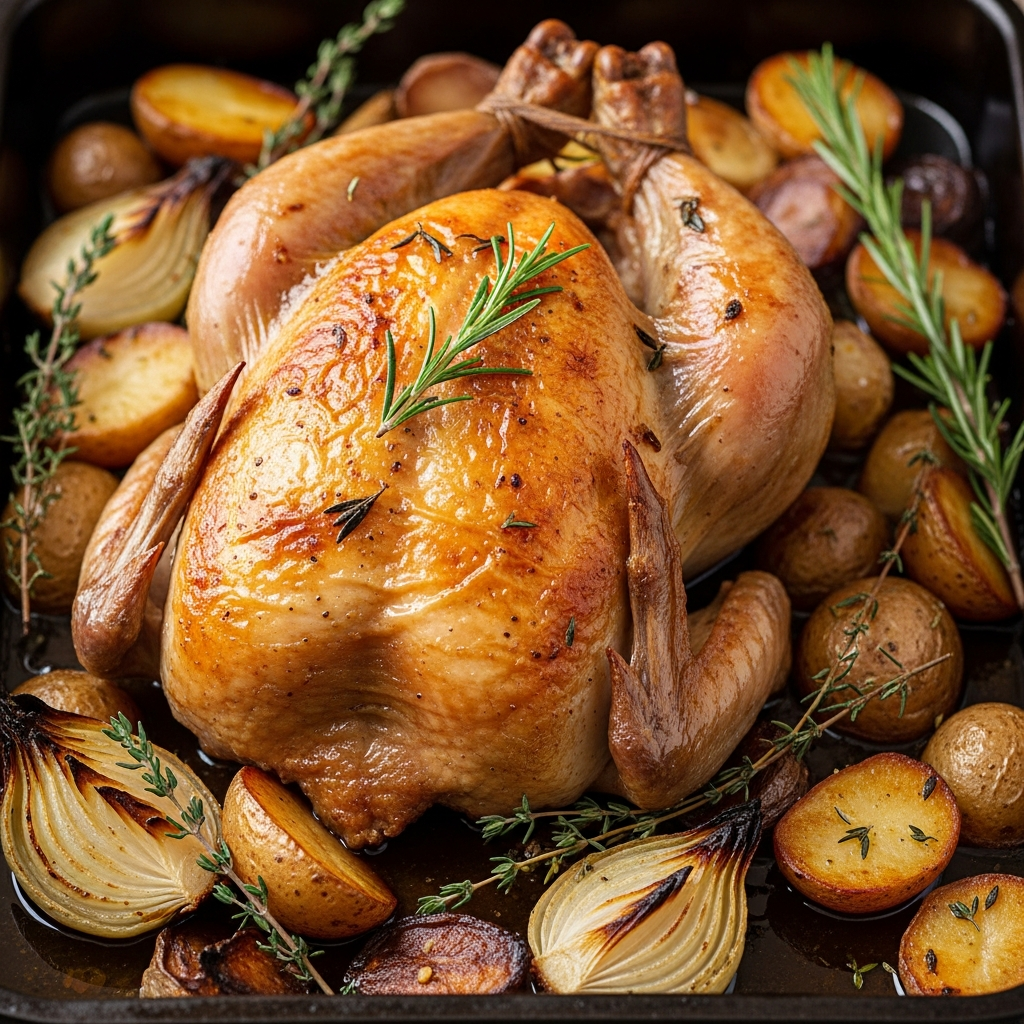
Savor a slow morning with a crustless vegetable quiche made with eggs, spinach, and onions. Lunch is a simple green salad with sunflower seeds and vinaigrette. For dinner, roast a whole chicken with potatoes and onions. The carcass can be saved to make bone broth, providing extra value for the following week.
Day 8: Utilizing Leftovers
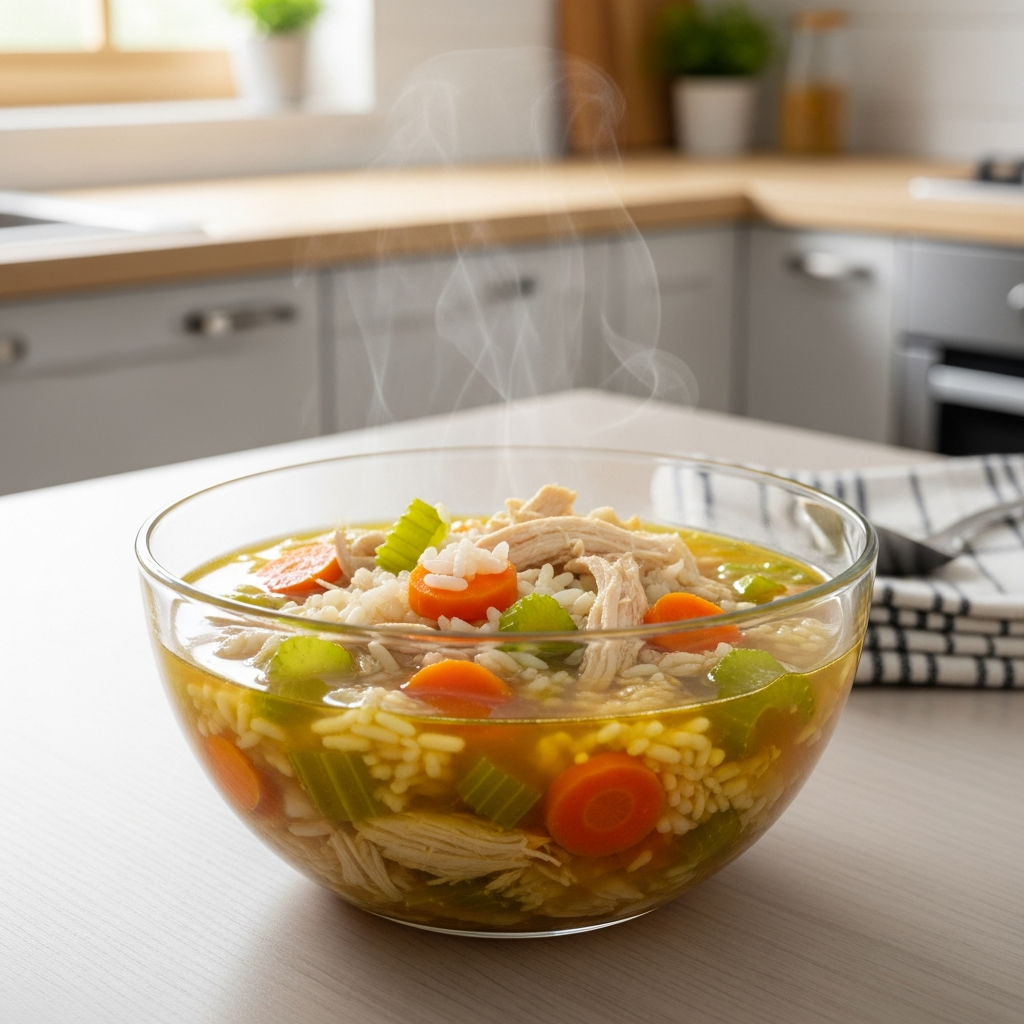
Breakfast is a slice of the crustless quiche from Day 7. Lunch consists of leftover roasted chicken mixed into a salad. Dinner is a comforting bowl of chicken and rice soup made using the homemade bone broth and leftover chicken pieces. This strategy ensures every part of the ingredients is utilized.
Day 9: Bean and Grain Harmony
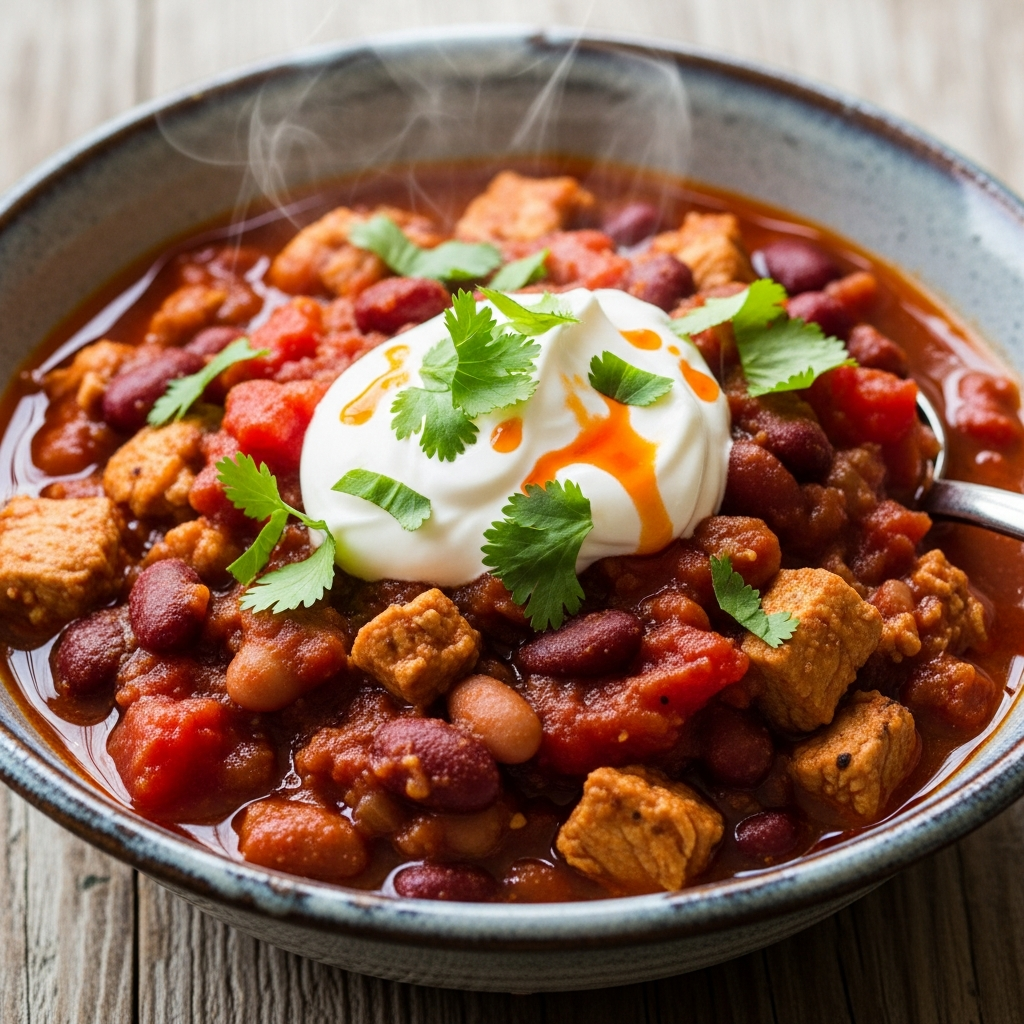
Start with oatmeal topped with peanut butter for protein. Lunch is a black bean and corn salad with lime dressing. Dinner features a large pot of chili made with kidney beans, canned tomatoes, and ground turkey. Chili is an ideal meal for bulk cooking and freezing for later use.
Day 10: Potato Focus
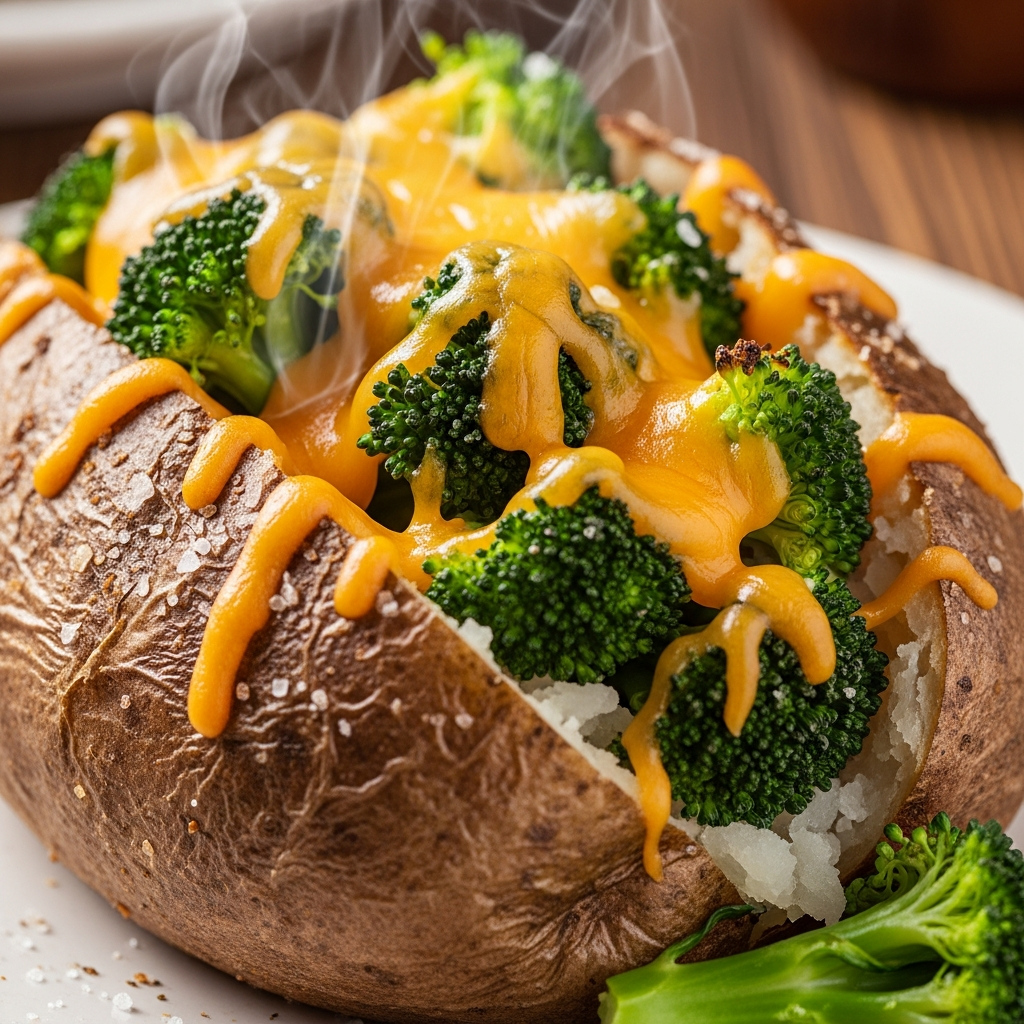
Breakfast is a potato and onion hash with a fried egg on top. Lunch is leftover turkey chili. For dinner, enjoy baked potatoes stuffed with steamed broccoli and a small amount of cheese. Potatoes are a versatile and inexpensive carbohydrate staple for gluten-free living.
Day 11: Simple Seafood
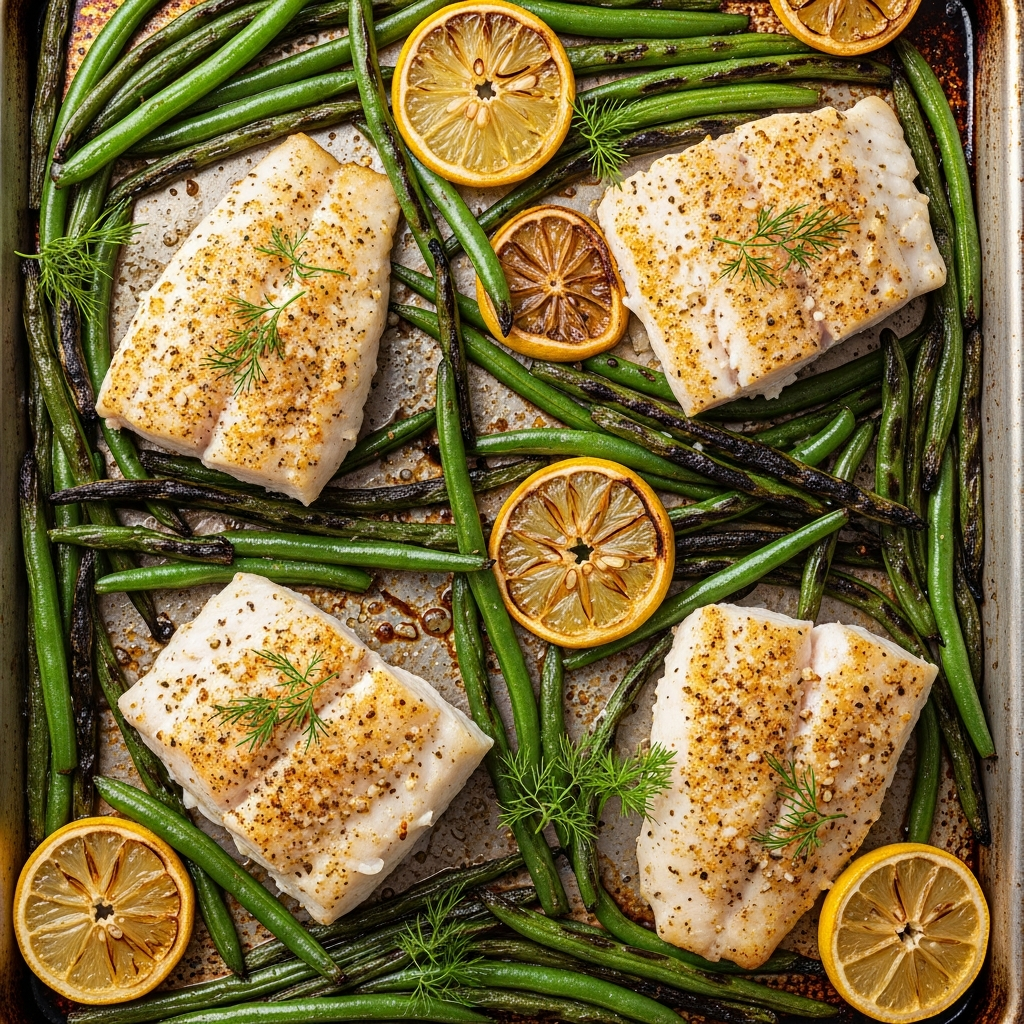
Breakfast is a serving of Greek yogurt with a sliced pear. For lunch, enjoy a tuna and white bean salad over greens. Dinner is a sheet-pan meal of frozen white fish fillets and green beans roasted with olive oil and garlic. Purchasing frozen fish in bulk significantly reduces the cost per serving.
Day 12: Egg Variations
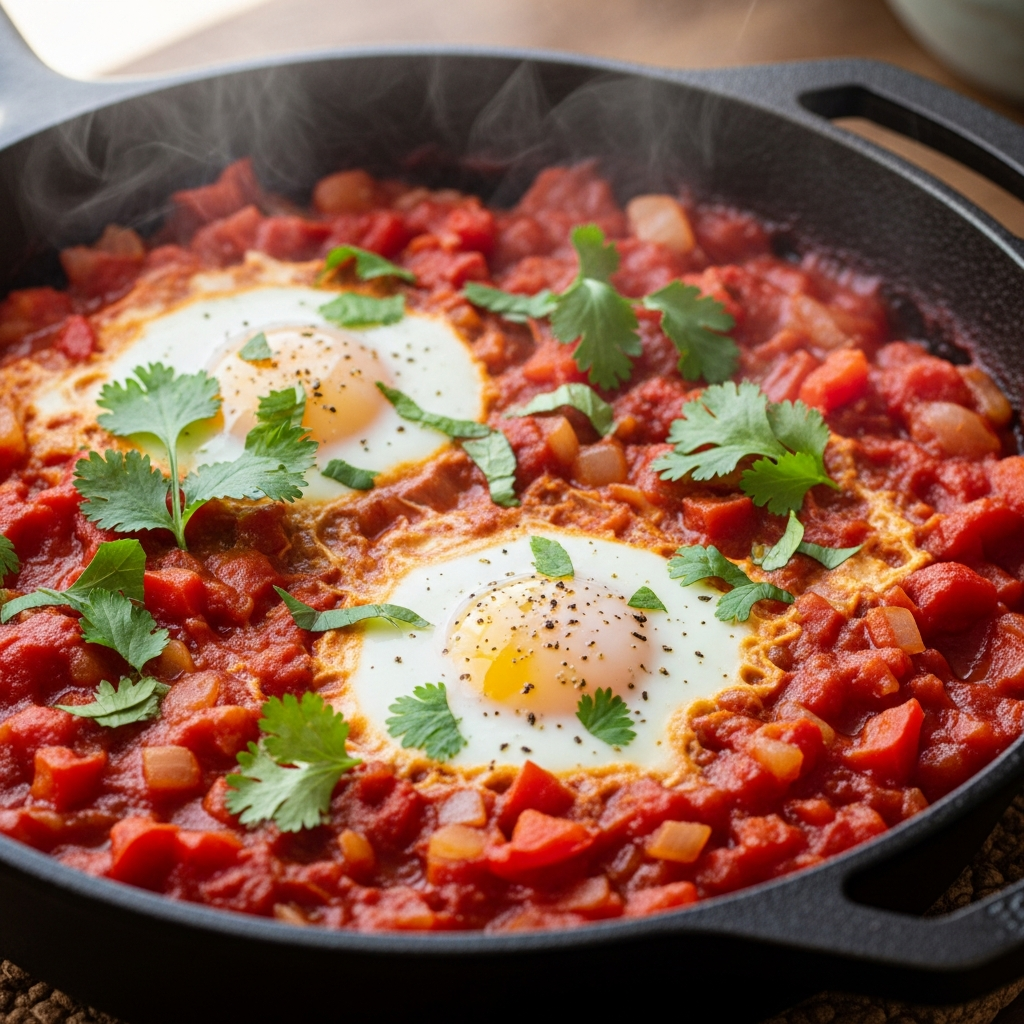
Soft boiled eggs with gluten-free toast or rice cakes make an easy breakfast. Lunch is a quinoa and roasted vegetable bowl. Dinner consists of a classic Shakshuka, where eggs are poached in a spicy tomato and pepper sauce. This dish is both impressive and highly affordable.
Day 13: Ground Meat Versatility
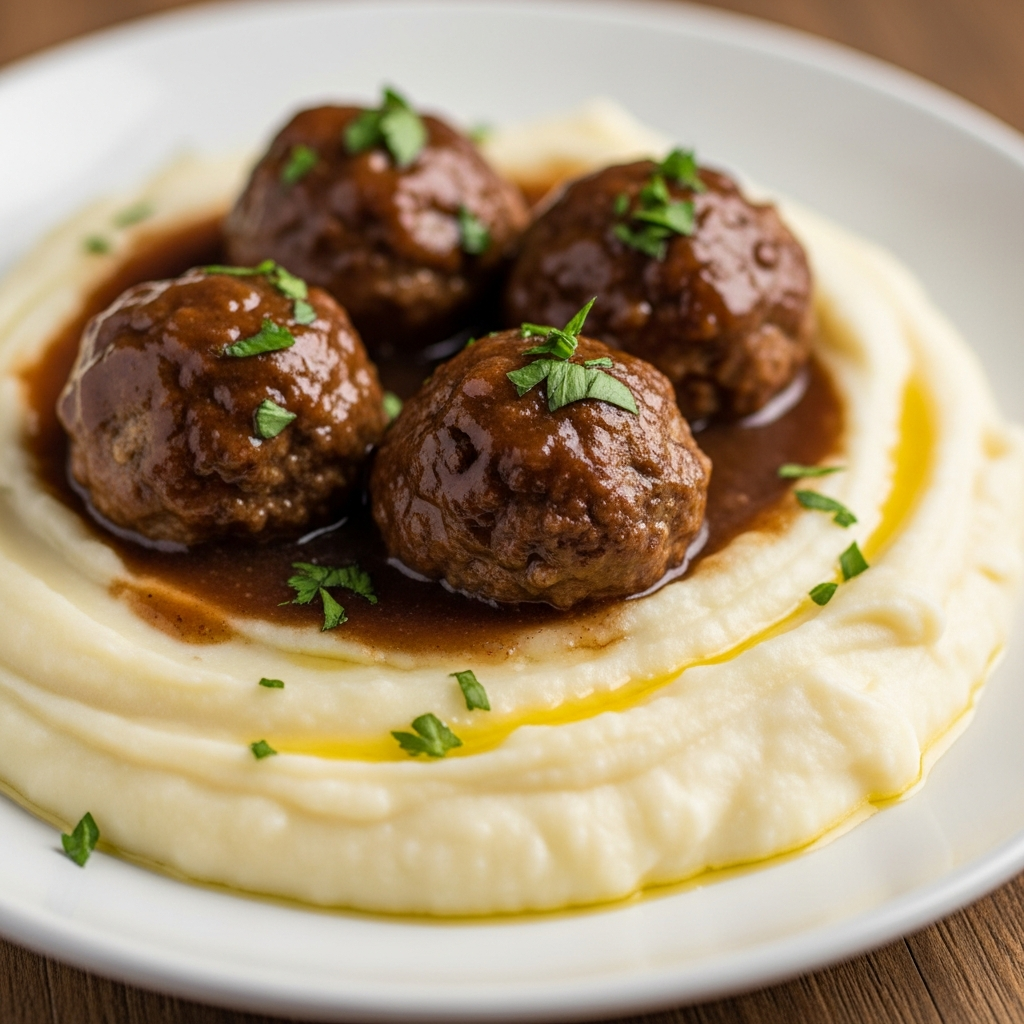
A banana and peanut butter smoothie provides a quick morning boost. Lunch is a simple egg salad served on rice cakes. Dinner features gluten-free meatballs made with ground beef and dried herbs, served over a bed of mashed potatoes. Using potatoes instead of pasta offers a naturally gluten-free base.
Day 14: Refreshing Salads
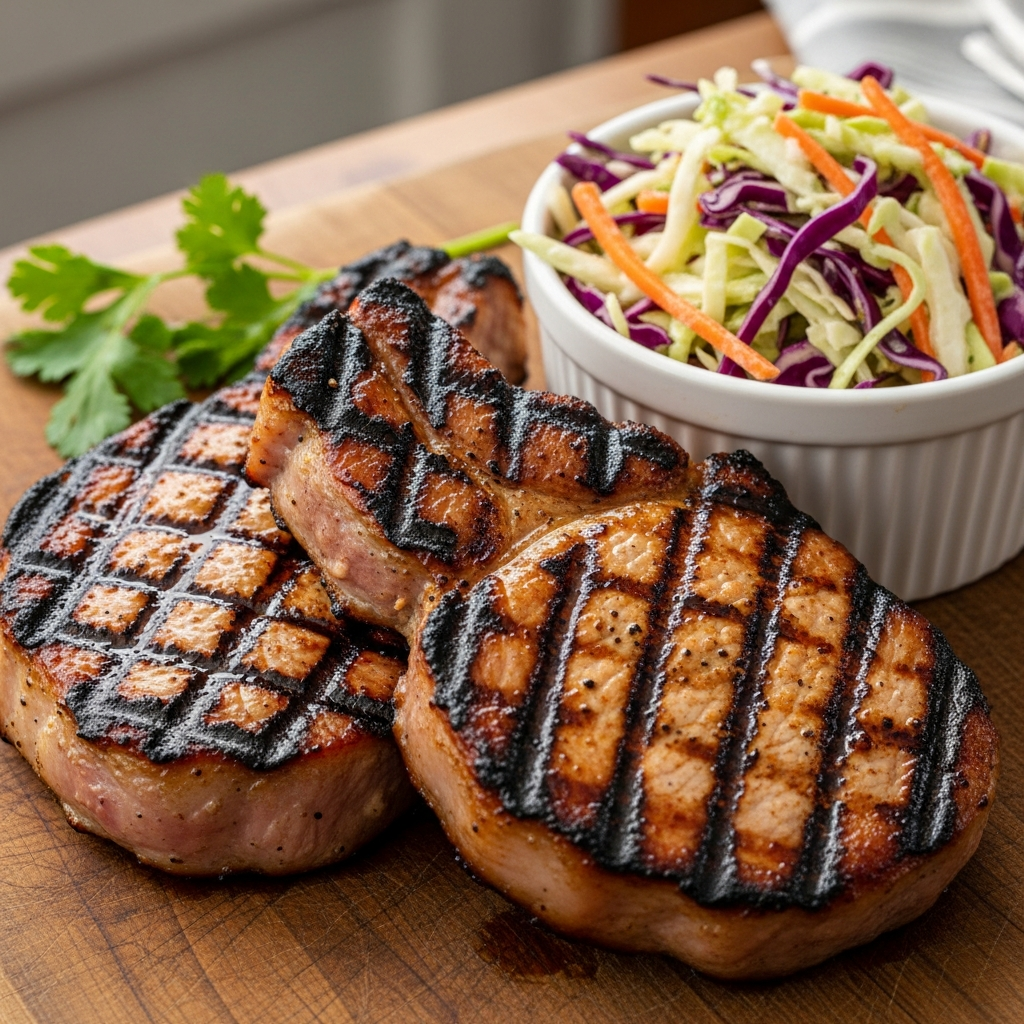
Breakfast is cottage cheese with pineapple chunks. Lunch is a large Cobb-style salad with hard-boiled eggs, bacon bits, and plenty of greens. For dinner, prepare grilled pork chops with a side of coleslaw. Pork is often a more economical meat choice compared to beef or lamb.
Day 15: Halfway Point Staples
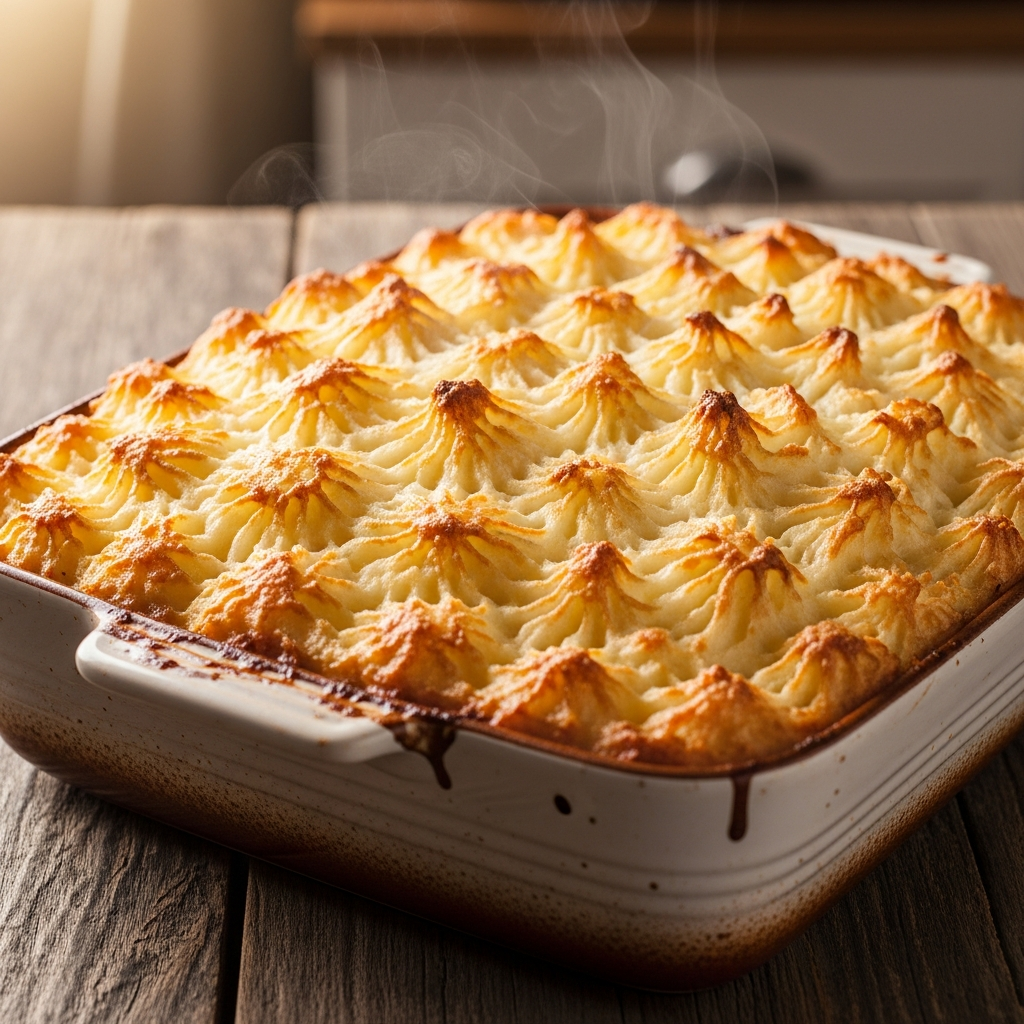
Start Day 15 with oatmeal and applesauce. Lunch is a leftover pork chop sliced over a green salad. Dinner is a shepherd’s pie made with ground turkey, frozen mixed vegetables, and a mashed potato topping. This meal is filling, nutritious, and utilizes low-cost frozen staples.
Day 16: Tex-Mex Tuesday
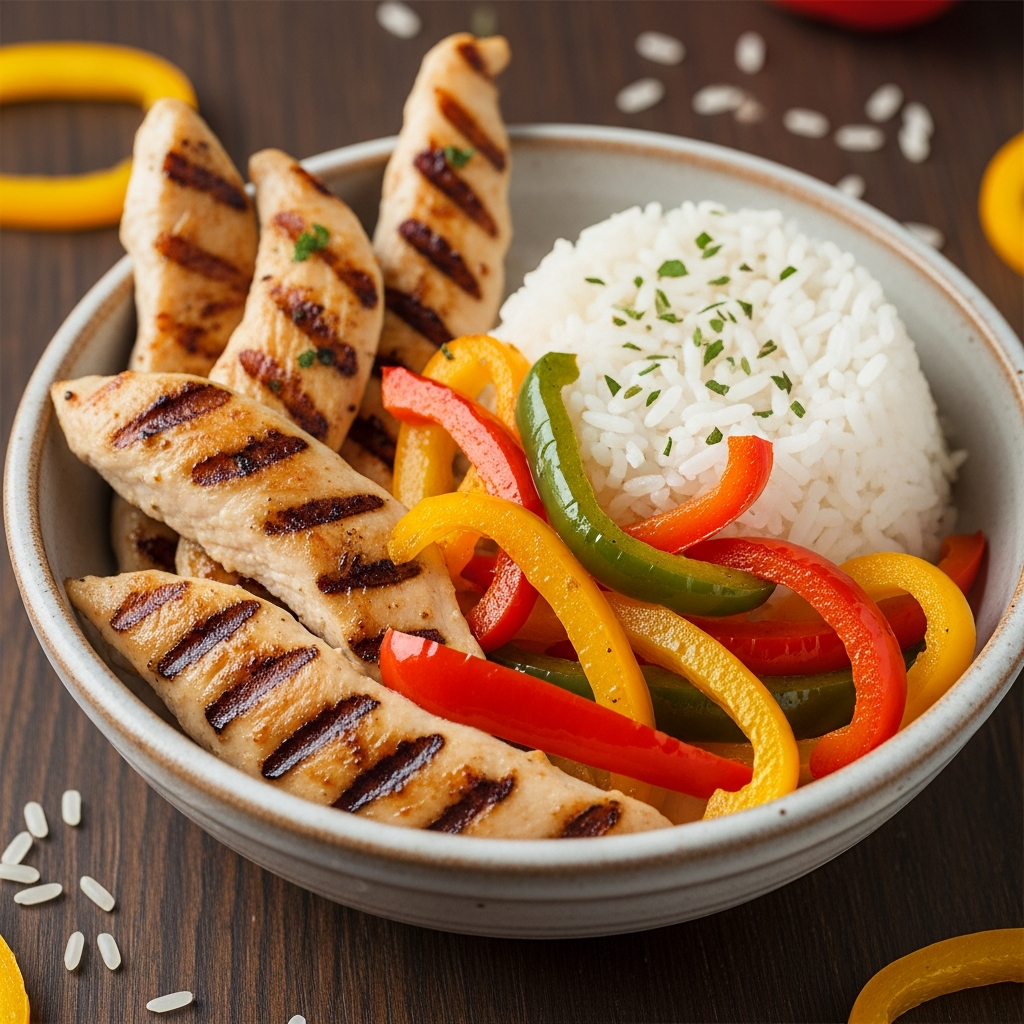
Breakfast is a corn tortilla with black beans and a fried egg. Lunch is leftover shepherd’s pie. Dinner consists of chicken fajita bowls with sautéed peppers, onions, and rice. Skips the tortillas and focus on the rice base to save money on specialty gluten-free wraps.
Day 17: Canned Goods Excellence
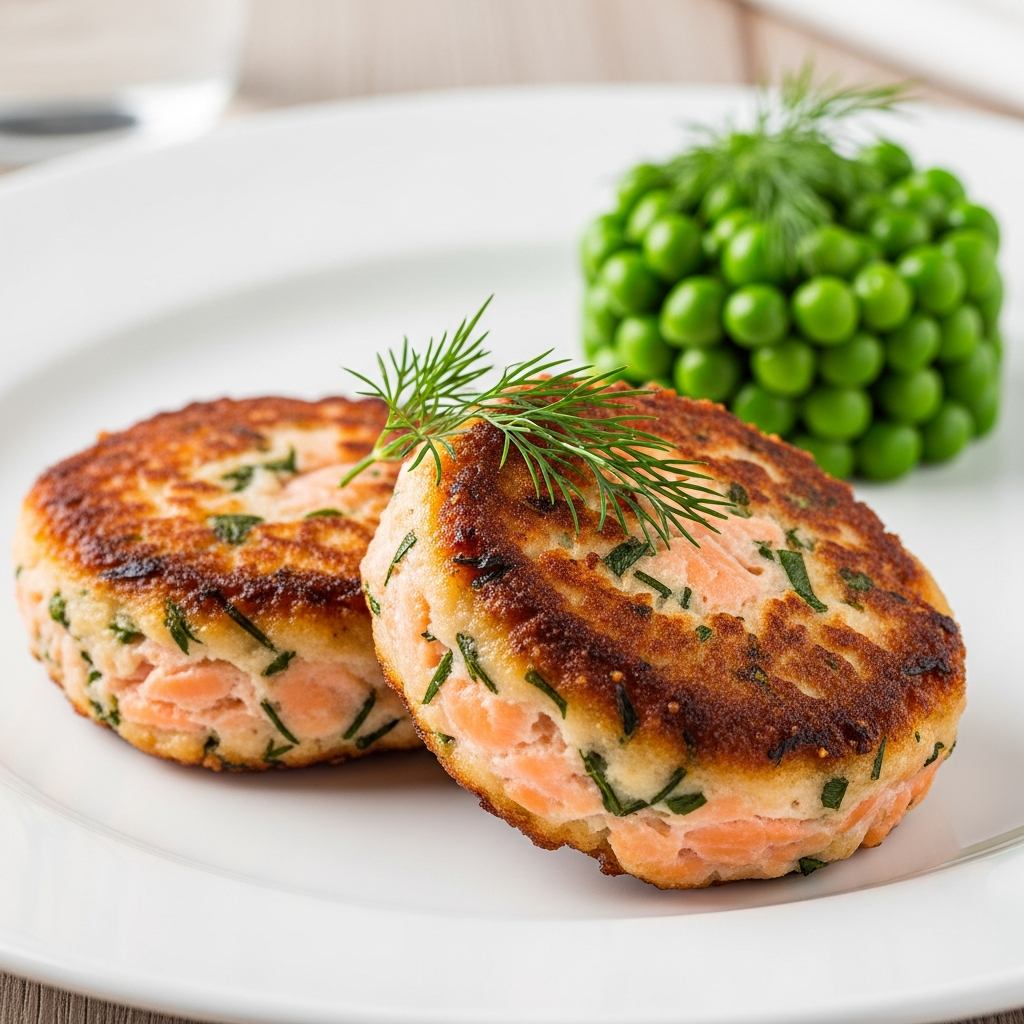
Breakfast is a simple bowl of rice cereal with berries. For lunch, make a chickpea salad with celery and mayonnaise. Dinner is a salmon patty meal made from canned salmon, eggs, and gluten-free breadcrumbs, served with steamed peas. Canned salmon is an affordable way to get essential omega-3 fatty acids.
Day 18: Root Vegetable Roast
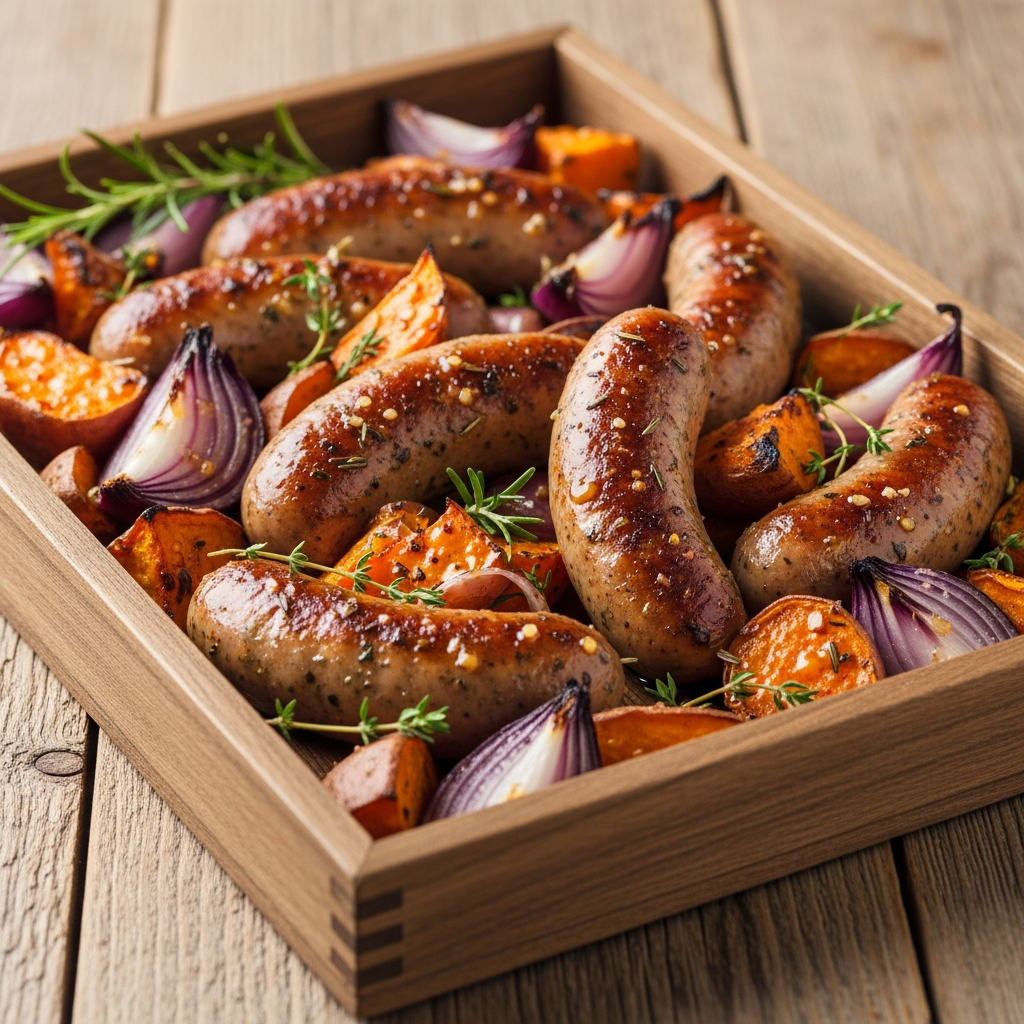
Enjoy scrambled eggs with diced ham for breakfast. Lunch is a leftover chicken fajita bowl. Dinner features roasted sausages with sweet potatoes and red onions. Sausages are often pre-seasoned, making them a quick and budget-friendly flavor booster for roasted meals.
Day 19: Italian Flavors
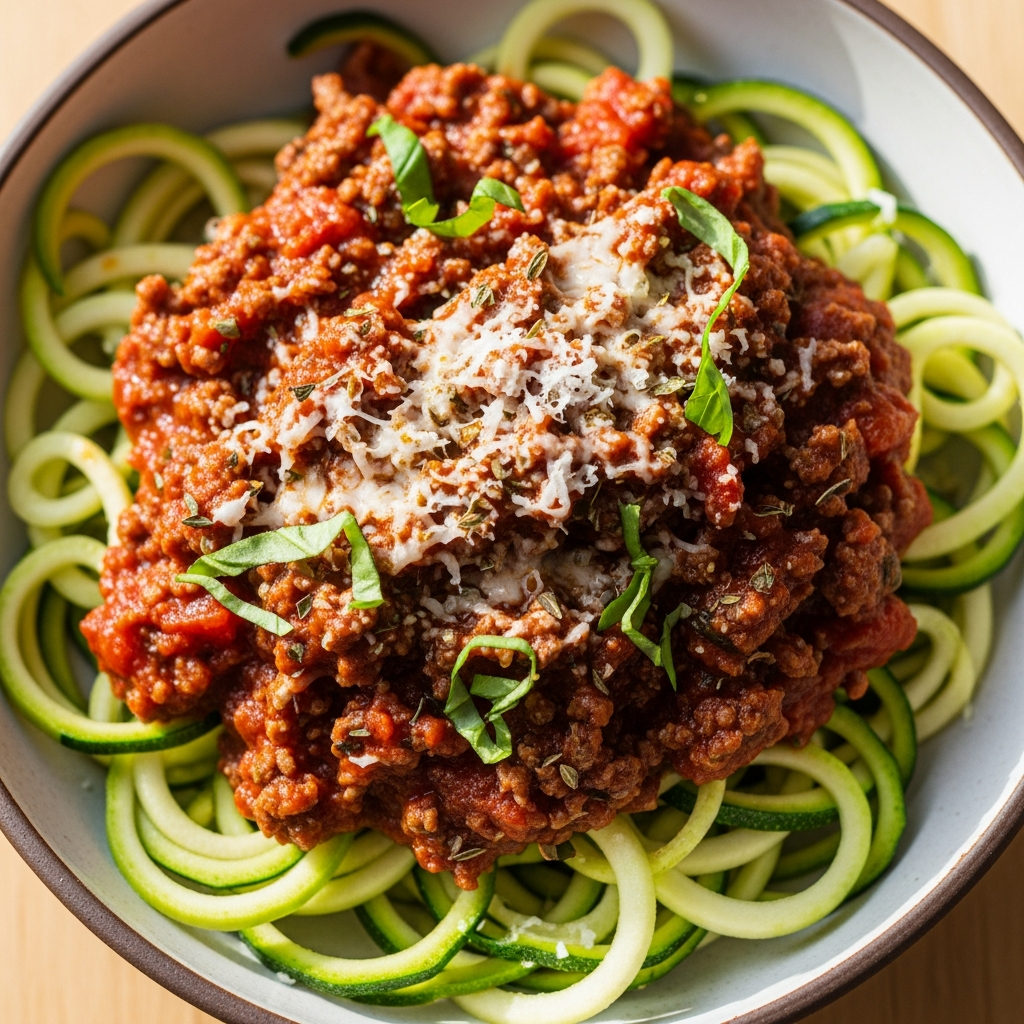
Breakfast is Greek yogurt with honey. Lunch is a caprese-inspired salad with tomatoes, cheese, and balsamic vinegar. For dinner, make a zucchini noodle pasta with ground beef marinara. Using a peeler to make zucchini ribbons is a great way to save on expensive gluten-free pasta brands.
Day 20: Pantry Clear-out
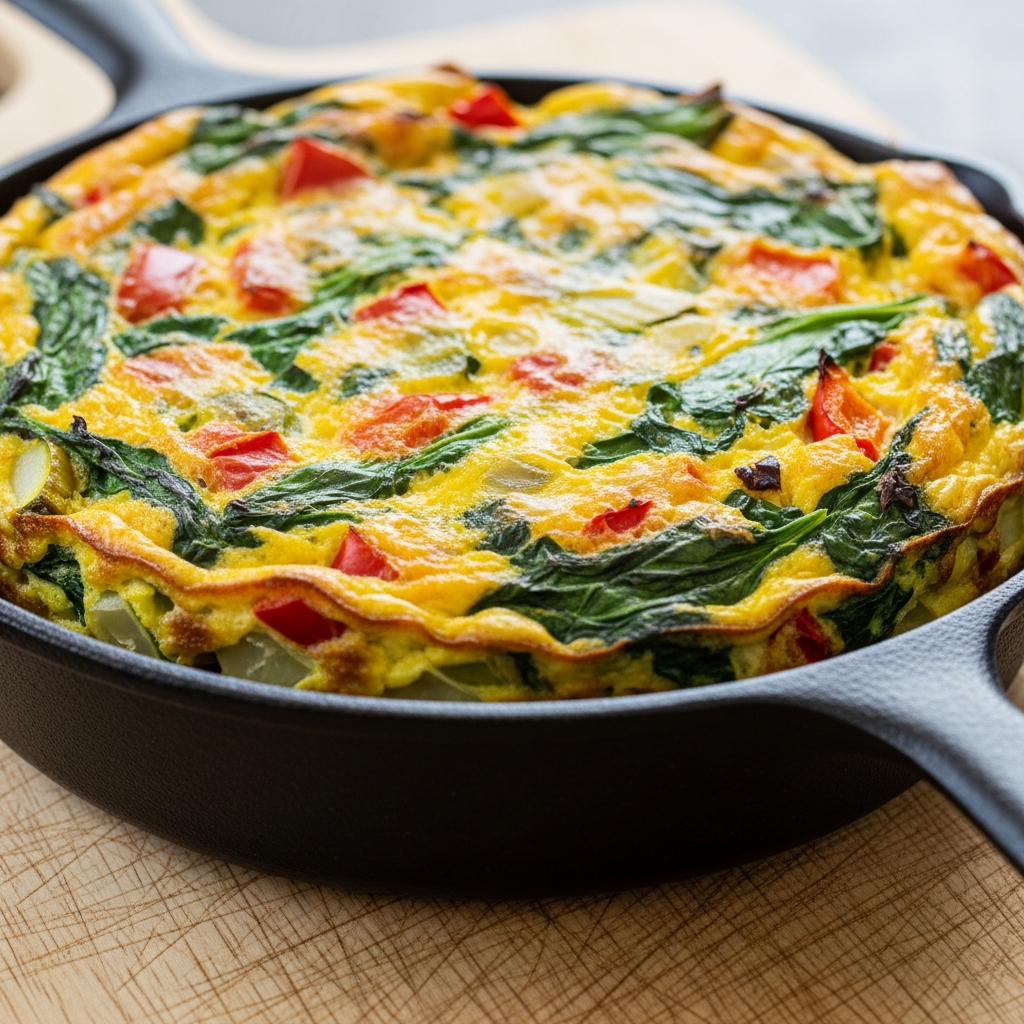
Breakfast is oatmeal with raisins. Lunch is a tuna and rice salad with peas. Dinner consists of a vegetable frittata using whatever produce is left in the refrigerator. Frittatas are the ultimate budget meal for reducing food waste at the end of the week.
Day 21: Hearty Stews
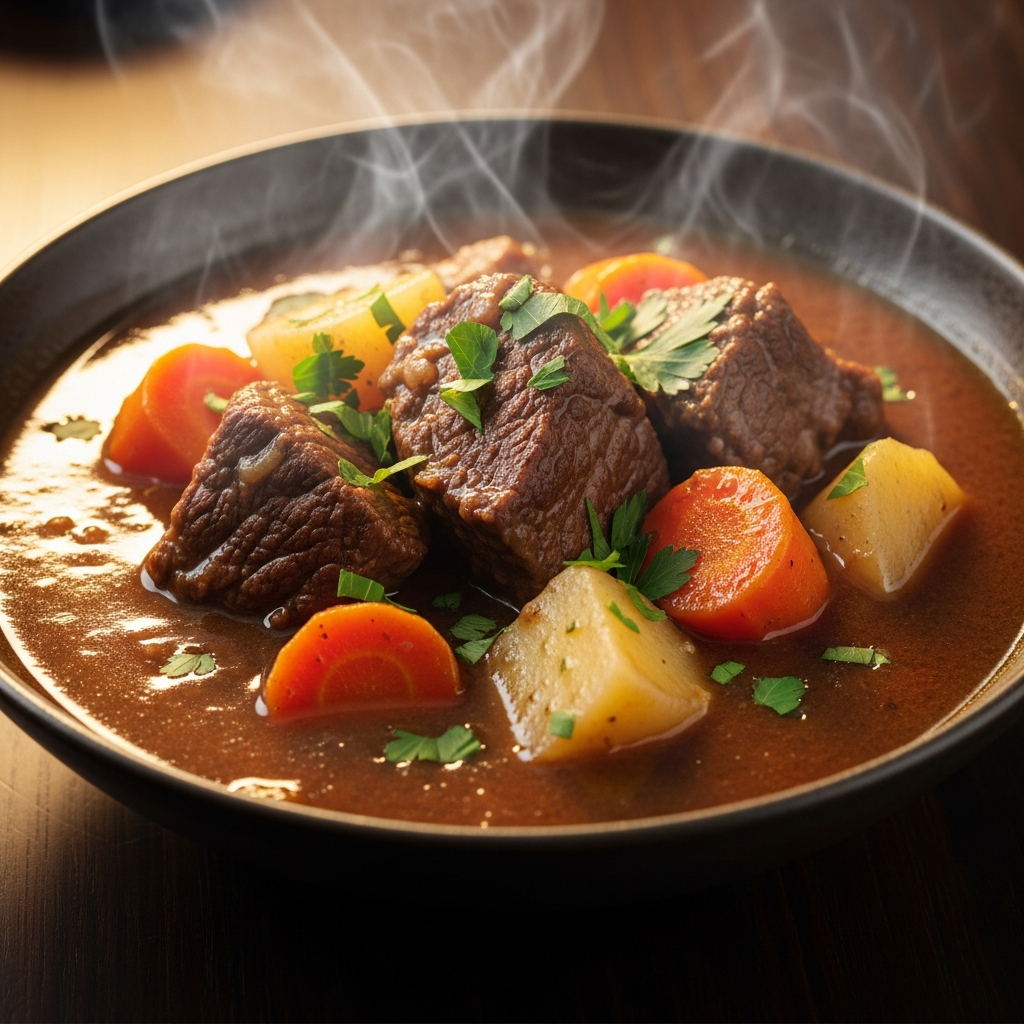
Start the day with a boiled egg and a piece of fruit. Lunch is leftover frittata. For dinner, prepare a slow-cooked beef stew using a cheaper cut of beef, carrots, and plenty of potatoes. Slow cooking tenderizes budget-friendly meat cuts perfectly.
Day 22: Simple Grain Bowls
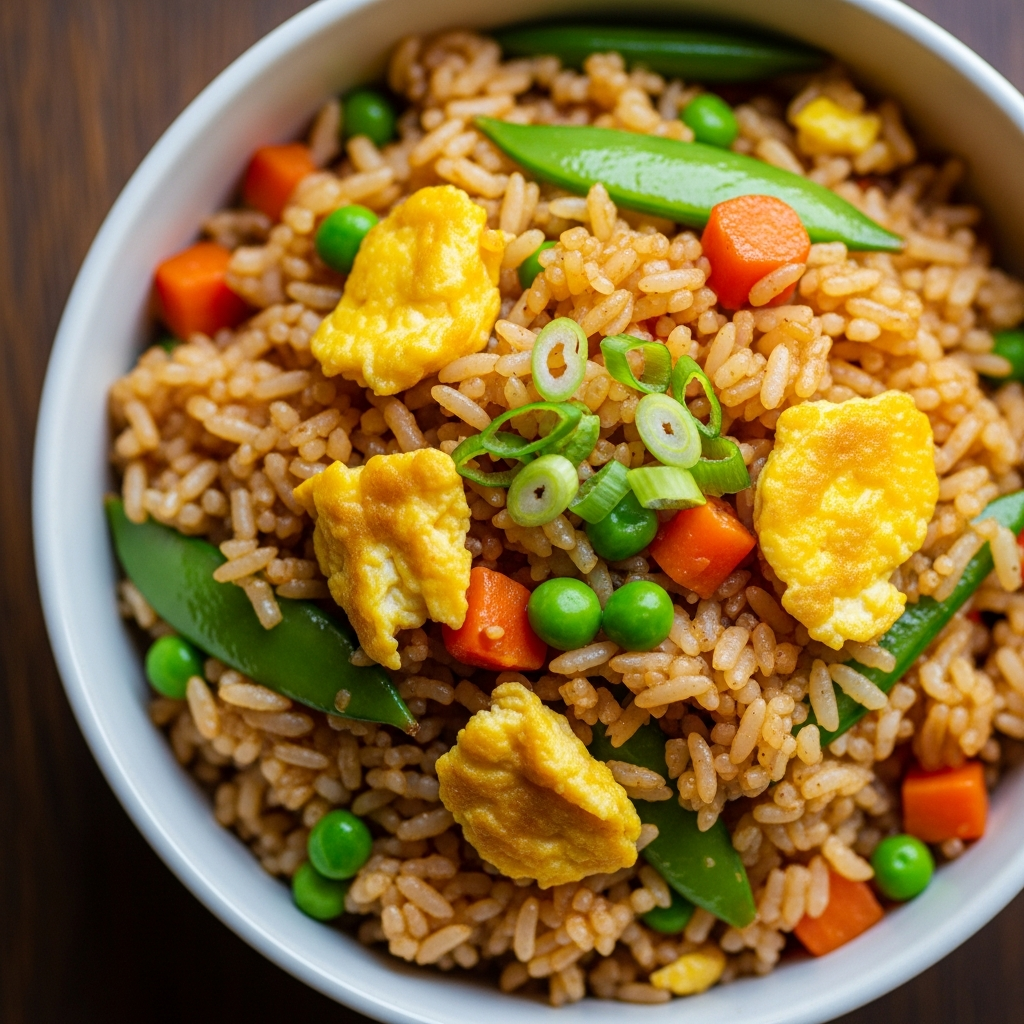
Breakfast is a smoothie with banana and cocoa powder. Lunch is leftover beef stew. Dinner is a fried rice bowl using cold leftover rice, frozen peas, carrots, and scrambled eggs. Fried rice is most successful when using day-old rice, making it perfect for budget planning.
Day 23: Chicken Drumstick Feast
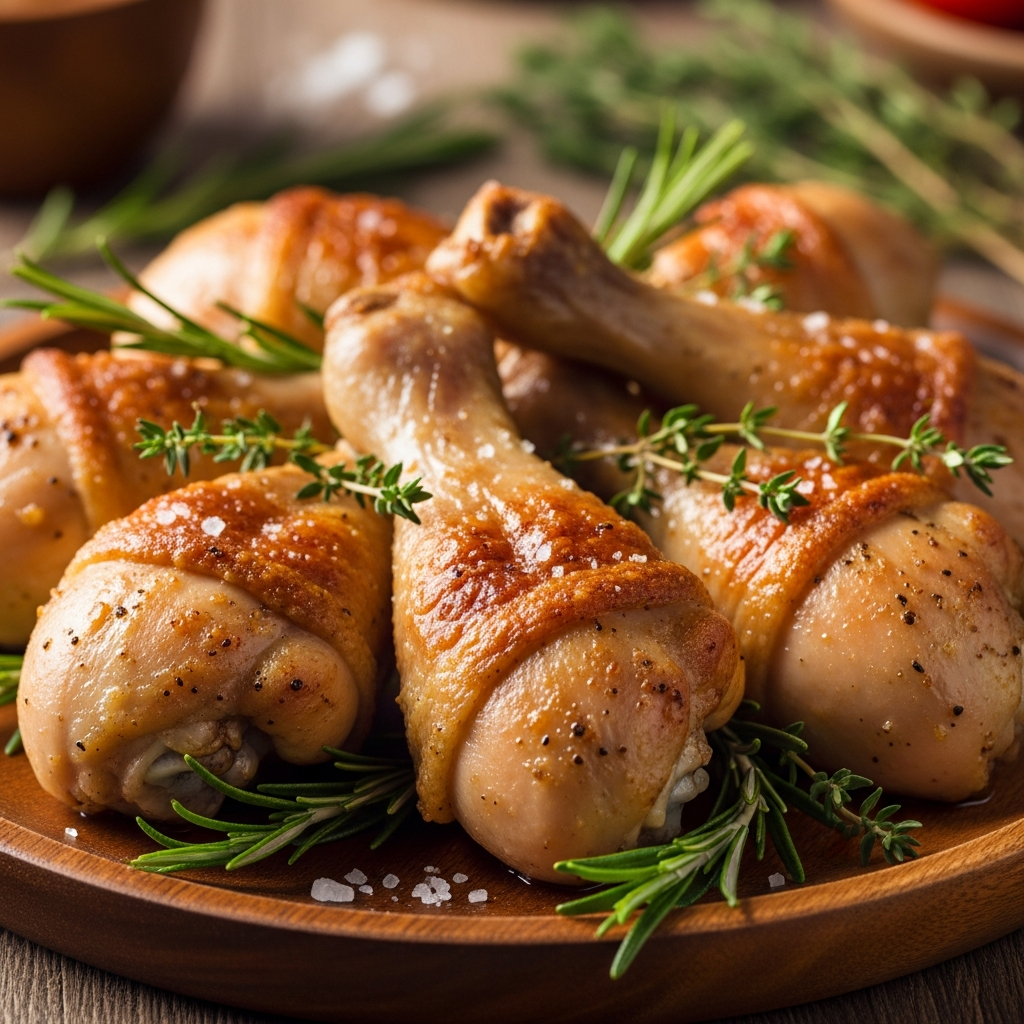
Breakfast is peanut butter on rice cakes with apple slices. For lunch, enjoy a chickpea and cucumber salad. Dinner consists of baked chicken drumsticks with a dry rub and a side of mashed cauliflower. Drumsticks are consistently the most affordable cut of poultry.
Day 24: Soup and Salad
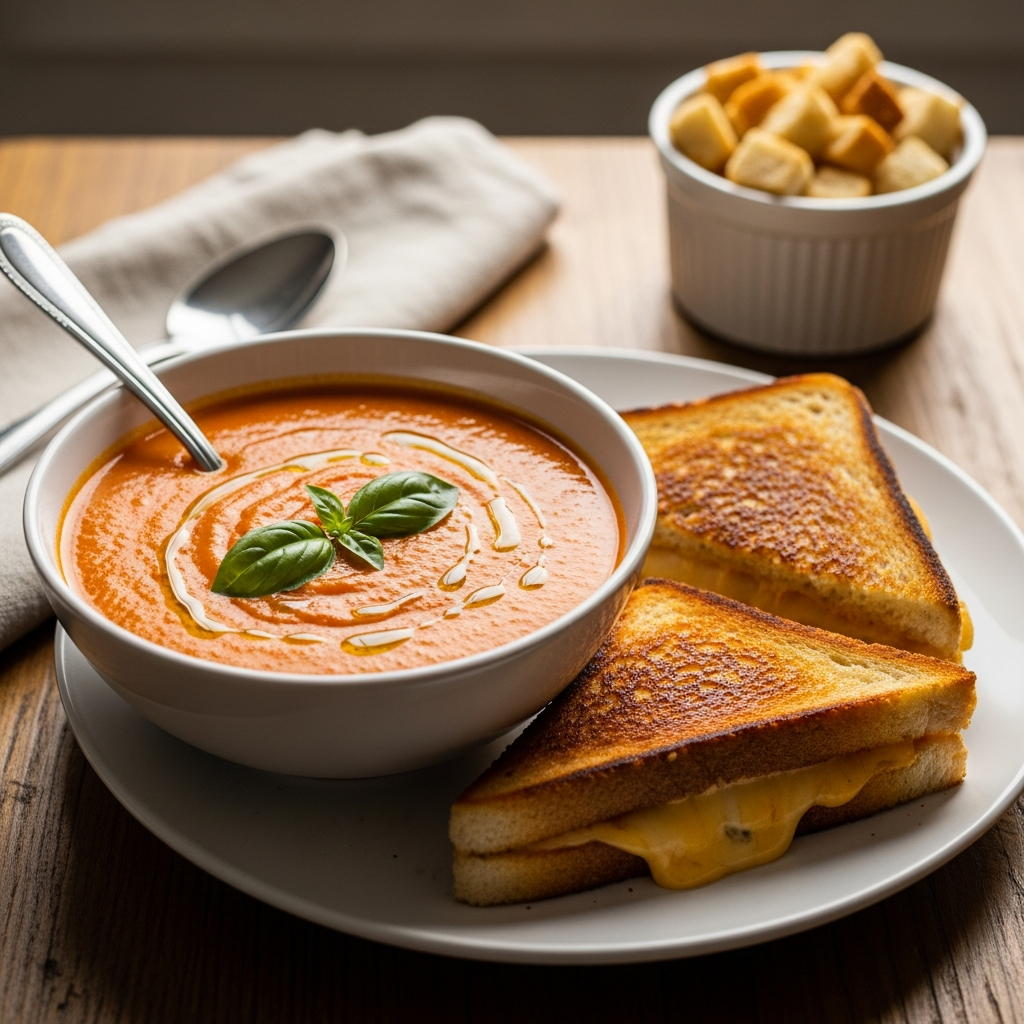
Breakfast is a vegetable omelet. Lunch is a leftover chicken drumstick with a side salad. For dinner, make a creamy tomato soup (using milk or a dairy alternative) paired with a gluten-free grilled cheese or cheese-topped rice cakes. Homemade tomato soup is significantly cheaper than canned versions.
Day 25: Taco Night Redux
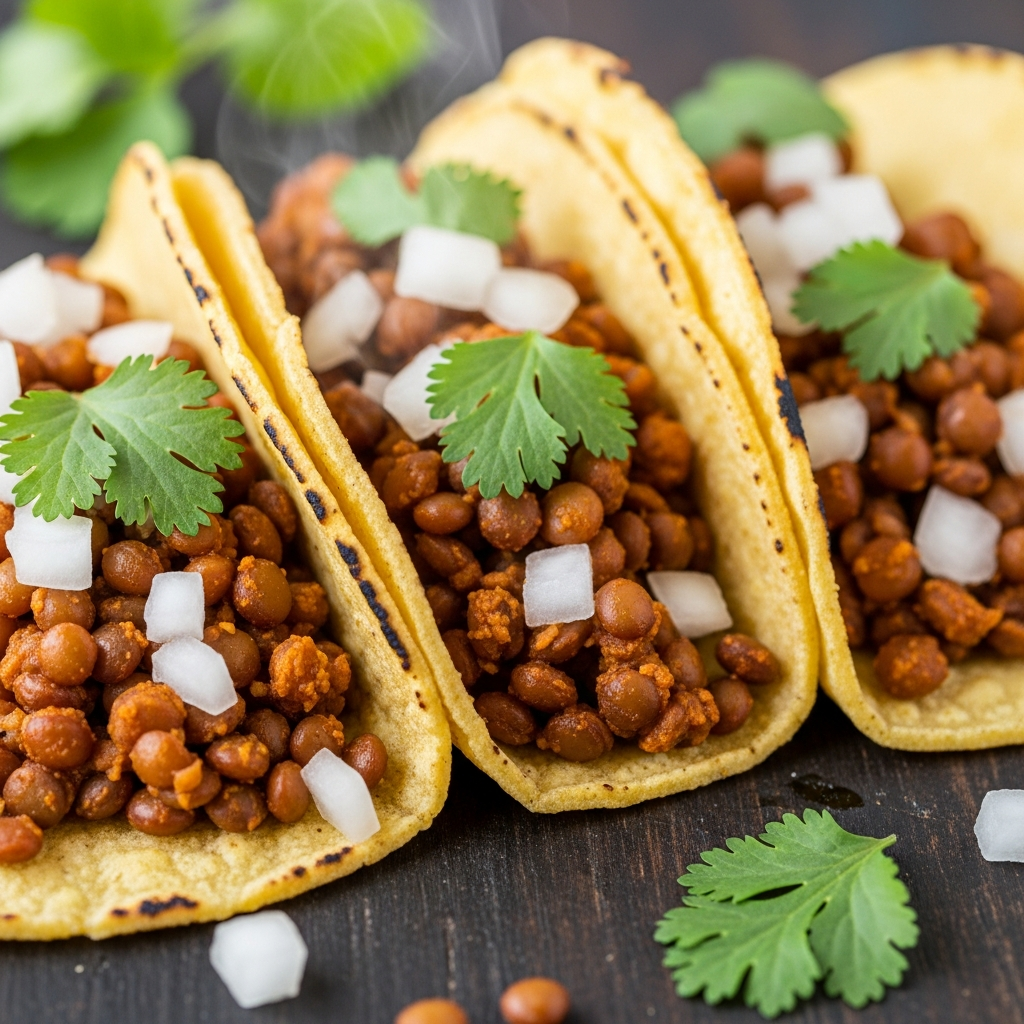
Breakfast is Greek yogurt with sunflower seeds. Lunch is leftover tomato soup. For dinner, make lentil tacos using the taco seasoning and corn shells. Lentils mimic the texture of ground meat and provide a high-fiber, low-cost alternative for a family favorite.
Day 26: Roasted Vegetable Medley
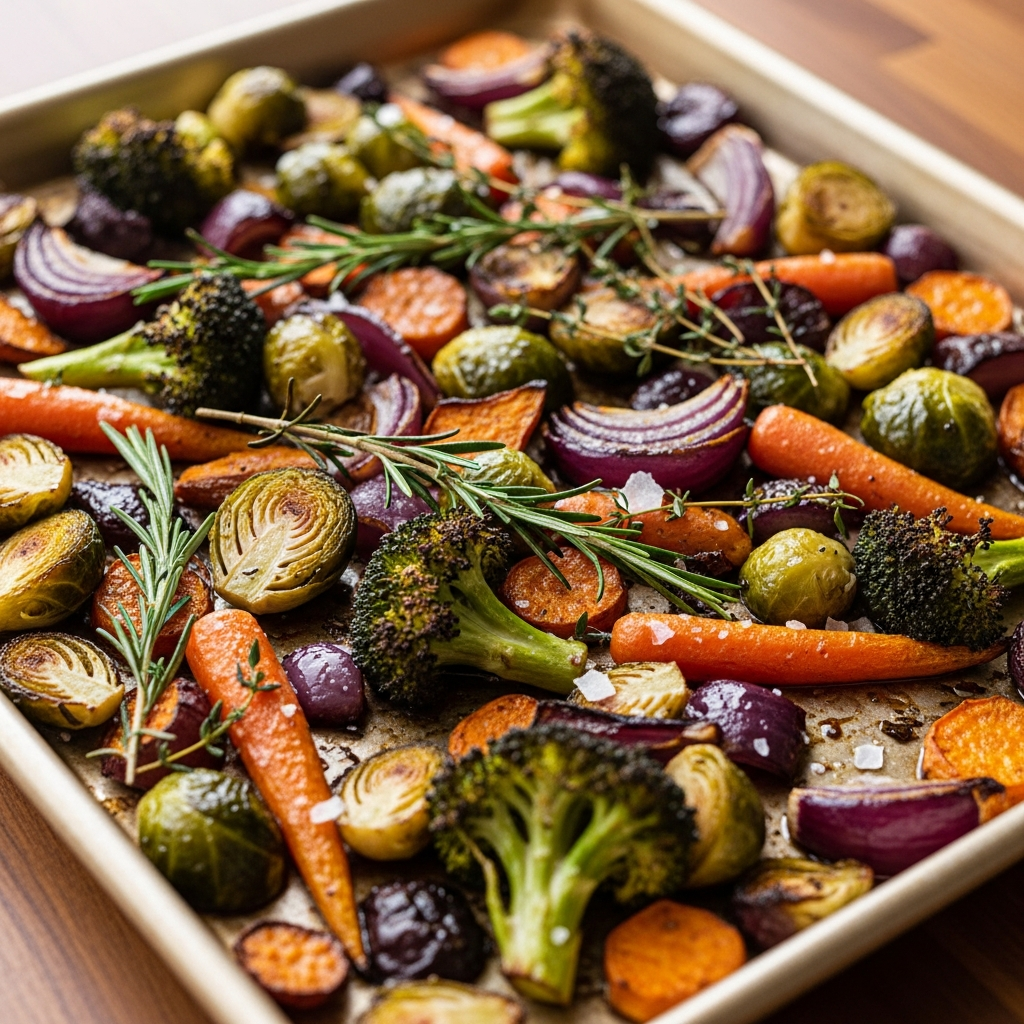
Start with oatmeal and sliced pears. Lunch is a lentil taco salad. Dinner features a large tray of roasted broccoli, cauliflower, and carrots served with a side of quinoa. Focusing on vegetables as the main component of a meal is a great way to save money.
Day 27: Breakfast for Dinner
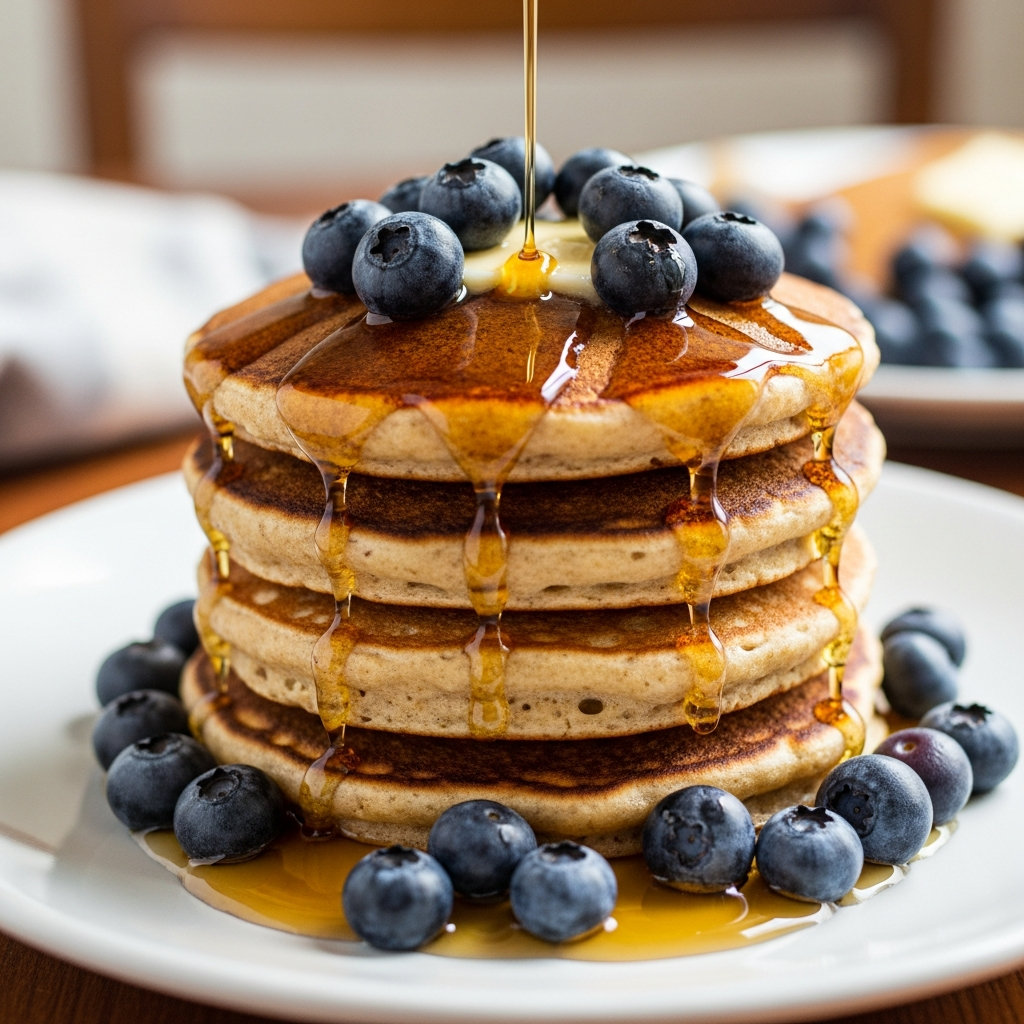
Breakfast is cottage cheese with cinnamon. For lunch, enjoy a quinoa and black bean bowl. For dinner, have a ‘breakfast for dinner’ night with gluten-free pancakes made from a simple oat-flour recipe and served with fruit. Oat flour can be made at home by blending gluten-free oats.
Day 28: Seafood and Citrus
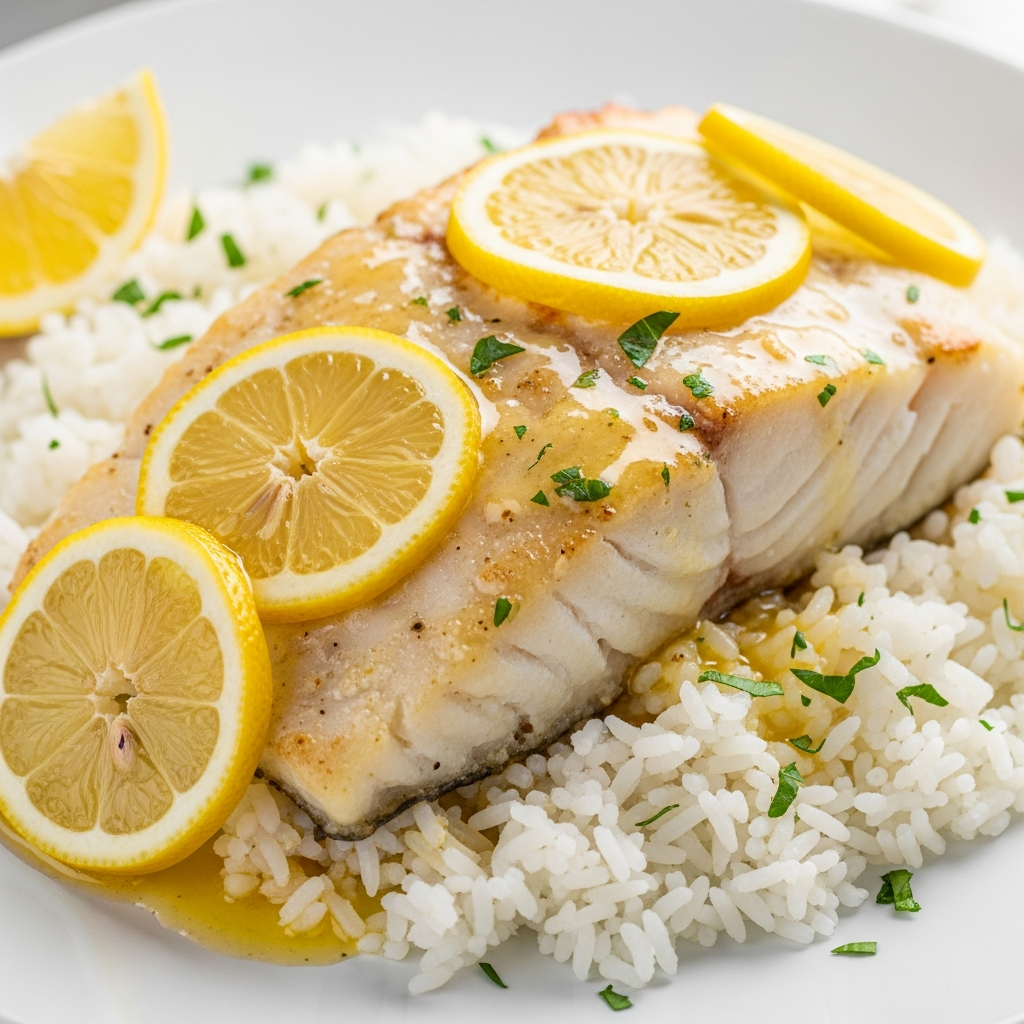
Breakfast is a spinach and fruit smoothie. Lunch is a tuna salad in lettuce wraps. Dinner is baked white fish with a lemon-butter sauce and steamed rice. Adding citrus and butter provides a high-end flavor to budget-friendly frozen fish.
Day 29: Turkey Burger Bowls
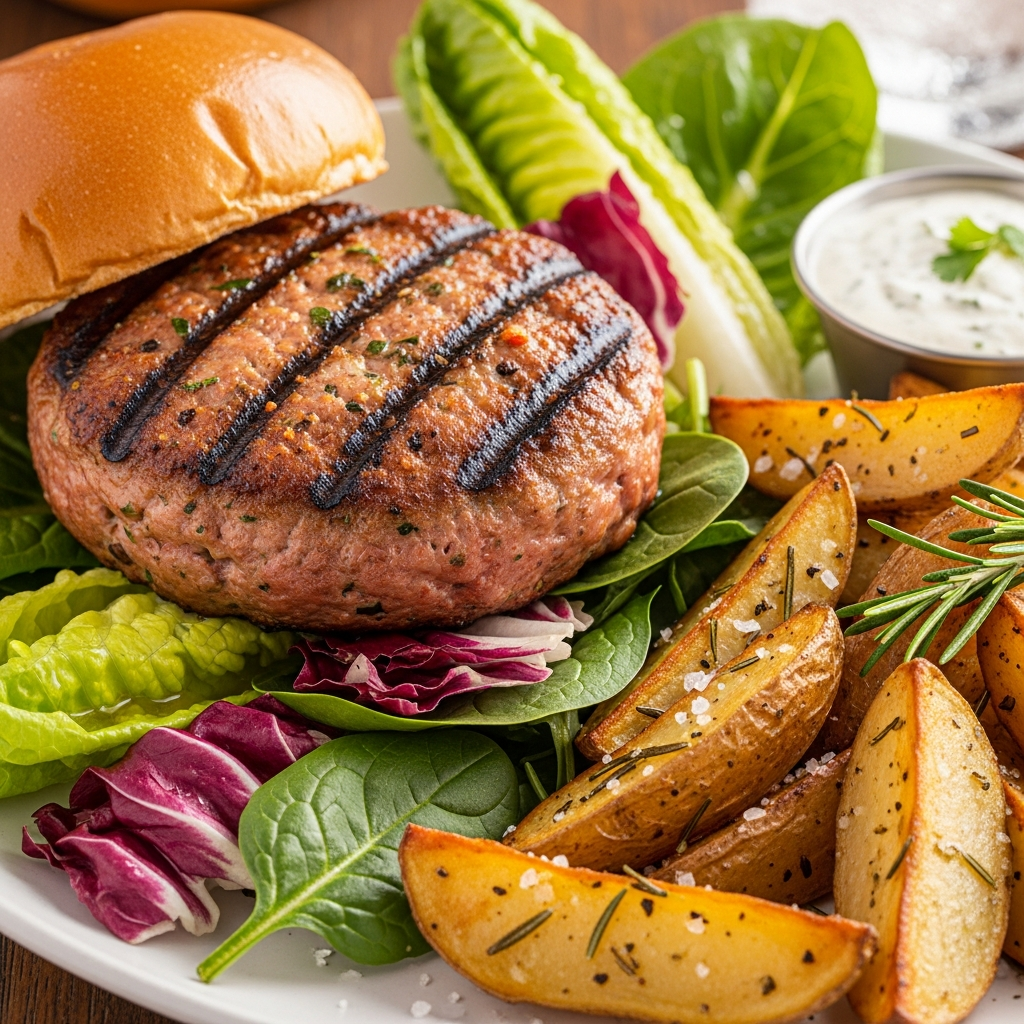
Breakfast is scrambled eggs with onions. Lunch is leftover fish and rice. For dinner, prepare turkey burger patties (no bun) served over a large garden salad with a side of homemade potato wedges. Homemade wedges are a fraction of the cost of frozen fries.
Day 30: Celebration Stir Fry
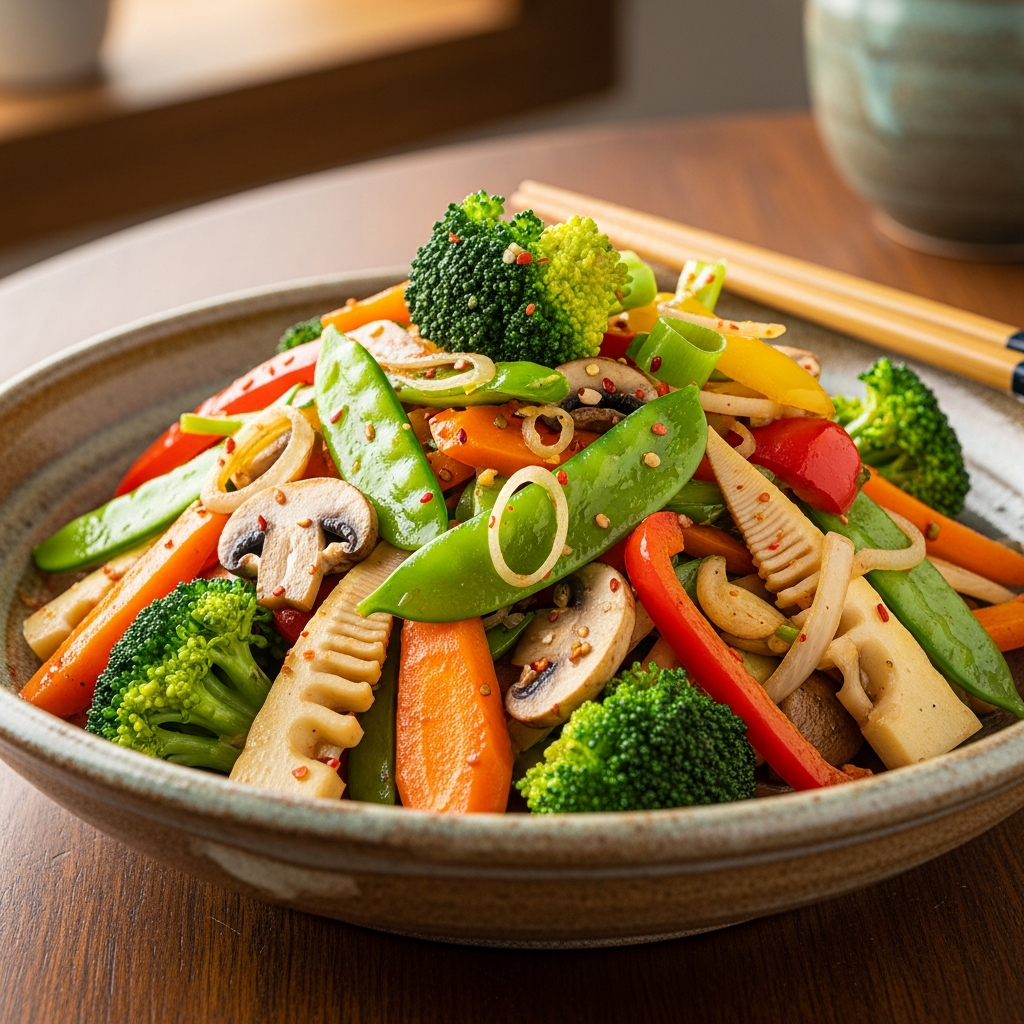
Complete your month with a breakfast of leftover pancakes. Lunch is a turkey burger salad. For dinner, make a ‘everything’ stir-fry using all remaining vegetables and protein in the fridge, served over a final portion of rice. This minimizes waste and celebrates a month of successful budget-friendly eating.
Conclusion
Successfully navigating a 30-day gluten-free meal plan on a budget requires a shift in perspective from buying processed substitutes to embracing naturally gluten-free whole foods. By prioritizing staples like rice, beans, and seasonal vegetables, and by utilizing strategies like batch cooking and leftover management, you have proven that a healthy, gluten-free lifestyle is attainable for everyone. Continue to build on these habits to maintain your health and your savings in the months to come.